MODULE 4 - Marketing and storytelling in the wine industry
MODULE 4
Marketing and storytelling in the wine industry
Introduction to the module
The primary objective of this training module is to provide learners the necessary skills to build a distinctive and engaging brand within the wine industry. Well-defined brands can make a significant difference, for a strong brand not only expresses a unique identity but also fosters an emotional connection with consumers. The module will delve into successful case studies and advanced storytelling techniques on how to create authentic and persuasive narratives that will later help participants win customers’ hearts. Participants will also be provided with guidance on how to expand their customer base through digital storytelling techniques. Because of the current global trend towards digital tools, the wine sector has to adapt too. By the end of the module, participants will not only have a broader understanding of how to promote themselves while considering market demands but will also be able to amplify their message and reach an increasingly larger and more diverse audience.
Structure of the module
Through a combination of theoretical concepts and real-world case studies, the module is structured into three key learning units:
Learning Unit 4.1 - From land to brand: creating an unique wine identity
In this learning unit, learners will explore the key differentiating factors that a winery can focus on in its communication strategy. They will learn how factors such as the human element, the company’s history, the identity of the wines, and communication can significantly influence in a successful branding strategy.
Duration: 4 hours. Introductory (2h) In-depth (2h)
Duration of Quiz: Introductory and In-Depth Level: 20 minutes
Learning outcomes: Identify the key tools for defining a branding strategy in the wine sector.
Resources/Bibliography
EXTRA RESOURCES
Learning Unit 4.2 - Storytelling techniques in the wine industry
This unit will explore how to use storytelling to reach both existing and potential customers in the wine industry. Participants will learn techniques for crafting compelling and empathetic narratives, whether they’re telling their family’s winery story or creating product-specific stories.
Duration: 4 hours. Introductory (2h) In-depth (2h)
Duration of Quiz: Introductory and In-Depth Level: 20 minutes
Learning outcomes: Identify the key tools for defining a storytelling strategy in the wine sector.
Resources/Bibliography
EXTRA RESOURCES
Learning Unit 4.3 - Enhancing wine tourism through digital storytelling
In this learning unit, learners will explore the challenges and opportunities of digital storytelling in the wine industry. They will discover how to best leverage various digital platforms, from websites and blogs to social media, to create engaging narratives through video and other formats.
Duration: 4 hours. Introductory (2h) In-depth (2h)
Duration of Quiz: Introductory and In-Depth Level: 20 minutes
Learning outcomes: Utilize digital storytelling to build a strong brand and gain market share
Resources/Bibliography
EXTRA RESOURCES
Learning Unit 4.1 - From land to brand: creating a unique wine identity
Unit learning objectives
- Equip current and aspiring wine professionals with the skills to develop, build, and implement effective branding and marketing strategies.
- Empower participants to create authentic, distinctive brands and marketing strategies by exploring experience design and storytelling.
- Provide both a strong theoretical foundation and practical applications, including case studies and hands-on exercises, to support the implementation of branding and marketing strategies in the wine industry.
4.1.1 Introduction
The unit aims to assist diverse groups of wine professionals, both current and aspiring, in developing, building, and implementing effective branding and marketing strategies. By exploring the process of experience development coupled with the art of storytelling, this unit seeks to empower participants to create their own unique brand and marketing strategies. The unit provides both the necessary theoretical background and practical aspects for implementation.
The wine industry, being dynamic and highly competitive, relies heavily on effective branding and marketing strategies to attract and retain customers. In today’s increasingly globalized world which means wineries must distinguish themselves from the multitude of options available to consumers. It is precisely in this context that the concepts of branding and marketing strategy come into play, serving both as essential tools for wineries to create a unique identity, communicate their value proposition, and guide consumer choice.
Branding in the wine industry involves the creation and deliberate management of a winery’s image and reputation. It goes beyond a simple logo or slogan; it encompasses the emotional connections and perceptions that consumers associate with a product. A strong wine brand distinguishes a winery by highlighting its unique characteristics, culture, and experiences. Wineries can leverage branding to communicate their strengths, whether it be grapes grown in pristine natural landscapes, a rich local cultural heritage, or high-quality products. A well-established brand helps attract a wider target audience and significantly increase sales capabilities.
Marketing strategy in the wine industry involves the systematic planning and implementation of activities to promote and sell a product. It includes a range of strategies, such as advertising, digital marketing, and strategic local and international partnerships. The goal is to effectively reach and engage the target audience, inspiring them to choose a particular winery’s wine over others. Understanding the target market is crucial for developing a successful marketing strategy. This involves identifying the preferences, behaviours, and motivations of potential consumers.
In this dynamic landscape, where consumers seek quality and authentic wines, effective branding and marketing strategies are indispensable for wineries that aspire to stand out and thrive in the increasingly competitive wine industry. Through strategic differentiation and compelling storytelling, small producers can not only attract consumers but also cultivate long-term relationships and contribute to the sustainable development of their communities.
4.1.2 Defining the Brand and Marketing Strategy
Branding is about establishing a company’s image in the minds of the public and customers. In other words, what do customers think and feel when they see or hear your brand name? With a proper branding strategy, you can influence how the public perceives your brand.
There are various brand-building models that can be used in the tourism and wine marketing sector. They all share the same goal: to establish the essence and core values of a brand, which will be used as the basis for all marketing activities.
A promotion and marketing strategy is a process that allows a company to focus its limited resources on the greatest opportunities available to increase sales and achieve a sustainable competitive advantage (Kotler, P. et al. 2004). A marketing strategy should be centered on the key concept that customer satisfaction is the primary goal of marketing. The latter strategy can serve as the basis of a marketing plan that contains a series of specific actions necessary to successfully implement a marketing strategy (Fazili, A. I. 2006). It consists of a series of well-thought-out tactics to make a marketing plan more effective. Marketing strategies form the essential cornerstone of marketing plans, ensuring that they meet market needs and deliver measurable results. It is possible to write a tactical marketing plan without a solid and well-thought-out marketing strategy, but without a solid marketing strategy, a marketing plan has no foundation (Kotler, P. et al. 2004). A marketing strategy often integrates an organization’s marketing objectives, policies, and sequences of actions (tactics) into a coherent whole. Marketing strategies are dynamic and interactive. They are partially planned and partially unplanned. One of the most important goals of any winery should be to get the maximum return for its consumers. This will depend on a well-conceived marketing plan and strategy. Through the process of market segmentation, appropriate targets are identified and then analyzed. Marketing strategies attempt to penetrate and persuade target markets through the element of the marketing mix – promotion (Fyall, A. and Brain, G. 2006). Similarly, customer purchasing decisions will be strongly influenced by certain elements of the marketing mix, including product, price, place, and promotion (Kotler, P. 2004). Consumers have never been as connected as they are today, yet it is increasingly difficult to reach them effectively in an increasingly fragmented media landscape.
To get the most out of your marketing strategy, you will need to employ a combination of marketing activities simultaneously to reinforce the message and reach a wide range of customers. Take an online article or blog post for example. Sure, it serves its purpose on a website, however, you can get more out of a post by sharing it on social media and including it in an email newsletter. This means there are many elements that need to work together for a truly effective marketing campaign to take off.
Before you start tweaking your strategy, it’s important to understand the key components of a marketing mix and how they can complement other activities already in play.
Digital advertising
Digital or online advertising covers a wide range of ads found on the internet, whether it’s a display ad on a website, a paid search on Google (AdWords), or a pre-roll ad on YouTube. Paid social media ads fall under both digital advertising and social media, but there are slight differences in approach. A common practice is a strategic advertising campaign with a financial investment, to amplify your content, to inform your audience of a new product – in other words, you can use it for an aggressive sale or a soft sell.
Social media
Social media is a powerful tool for marketers, allowing businesses to connect with customers through platforms like Facebook, Twitter, Instagram, and LinkedIn. Businesses can broadcast updates and events through their social media channels or promote content on their website through paid advertising options. Social media has also become a common platform for businesses to develop a community of loyal followers, whether through discussions in a Facebook group or direct private messages on Instagram.
Email Newsletters
Email newsletters are emails sent regularly to inform readers with news, tips, and updates. This differs from email marketing, which can overtly push a particular product or service. Readers must sign up to receive email newsletters, meaning they are often of value to the subscriber. Here are some tips for creating a newsletter:
- Know your audience – tailor your content to their interests and needs.
- Create engaging content – keep it relevant, informative, and interesting.
- Design for readability – use a clean layout and visual elements.
- Be consistent – establish a regular sending schedule.
- Include a clear call to action (CTA).
- Test and optimize based on metrics and feedback.
Boost your social media presence with email newsletters and encourage readers to follow you on Facebook/Twitter and others social media for the latest updates between newsletters.
Print Advertising Campaign
A print advertising campaign might include flyers, brochures, and newsletters that can be placed in-store for customers who want more information or sent directly to attract new business. An example is a flyer to be distributed in mailboxes that could coincide with a television commercial airing at the same time to reinforce the message.
Radio advertising
Radio ads are audio advertisements inserted into commercial stations. There are different types of ads, including live reads, where a radio announcer reads the ads in real time, and sponsorships for specific segments like traffic updates or the weather. To leverage the ad on other media channels, marketers might want to use parts of the radio script for the text in their Facebook ad campaign or on their website.
Television/Video Advertising
Television and video are still extremely popular advertising formats due to their broad appeal. To get the most out of your budget with your TV and video ads, create a shorter version of an ad to post on video-friendly social media platforms like Instagram and YouTube. This will help you reach a wider range of younger consumers who frequent these platforms.
Everything Else
Of course, this is just the beginning. We haven’t even touched on public relations, outdoor advertising, point of sale, search engine optimization (SEO), trade shows, direct mail, websites, and landing pages. Not to mention marketing automation, podcasts, directories, marketing collateral, and sales tools: the list could go on. That’s why you really need a solid strategy to make sure you’re choosing the right mix of activities for your marketing.
4.1.3 The Right Mix: The 7 Ps of Marketing
Studies have shown that people need to see a message seven times before it is assimilated, so it is important to have a mix of activities that take place simultaneously to reinforce the message and capture a wider range of consumers. The more people see or hear something, the more they remember it. Some of the most successful brands, regardless of the quality of their products, have the most recognizable message. Therefore, don’t be so quick to change your marketing message or start a new campaign. Focus on repetition and frequency to achieve results.
The most important and central aspect of any marketing process, activity, or theory is to identify the different needs of customers and satisfy them (Bhatia, A. K. 2008). Therefore, it is wine marketing that applies much more sophisticated promotional techniques and strategies to know what the consumer wants and how to meet their needs through the services rendered with the planning, preparation, and experimentation of their purchase.
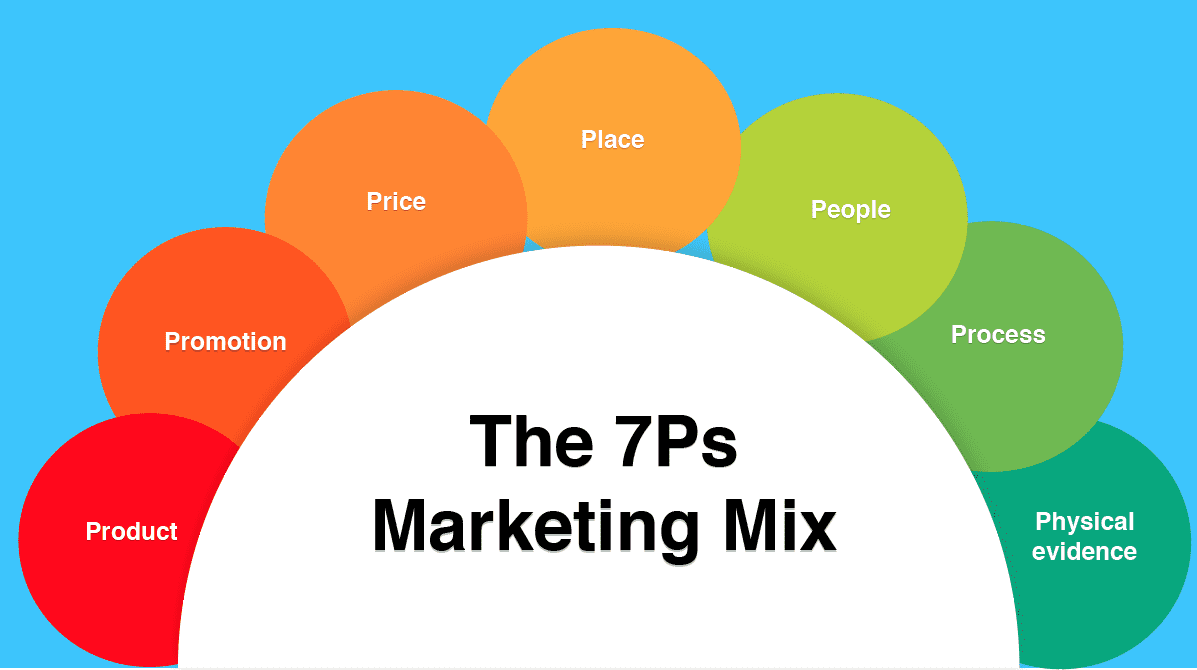
A marketing mix is the set of actions that a company uses to promote its brand on the market and influence customers to buy its product. An effective marketing mix focuses its efforts on multiple areas to build a solid marketing plan. These areas were initially known as the 4 Ps of marketing (product, price, place, and promotion) and were first proposed by marketing professor Jerome McCarthy in 1960. Since then, marketing tactics have evolved and, in an attempt to better respond to service sector companies, the 4 Ps have been expanded to 7 and now include people, process, and physical evidence.
Product
The service or product you are selling should be at the center of every element of the marketing mix. Fundamentally, it allows you to answer the key questions for sales conversion: why should consumers choose your product? Digital marketing mix is perfect to highlight your products, through SEO, blogs or articles, paid advertising, influencer marketing and viral video campaigns, for example. Therefore, formulating a sound product strategy is, of course, a challenging task for wineries. The product strategy involves a wide range of elements that influence consumer purchasing decisions, including product range, product mix, product quality, product level, branding, new product design and development, and new product launch (Fazili, A. I. 2006).
Price
The strategy behind the price of your product should be based on what your customers are willing to pay, on costs such as retail mark-ups and production, as well as other considerations. Your marketing mix may include discount programs for subscriptions and memberships or email marketing of promotions and sales. As for wine products, the pricing decision strategy is becoming increasingly critical due to the growing complexity of markets, also due to climate change and the entry of new players to wine production. The price of wine must also take into account the complexity caused by the seasonality of the crop and the threats posed by environmental factors (heavy rains, poor crops or vineyard problems). Therefore, when it comes to determining the pricing strategy to adopt, there are several options. The key approaches must focus on: cost-plus pricing, marginal pricing, demand-based pricing (differential), price skimming, penetration pricing, product line pricing (portfolio), business-to-business pricing (supplier).
Promotion
Successful marketing strategies include all promotional activities of the marketing mix, including advertising, direct marketing and in-store promotional activities. The possibilities of digital promotion are only limited by your imagination and can include online events, chats, social media groups and live streaming. Among the elements of the marketing mix, it is the role played by promotion that is fundamental to the growth of wine tourism. As with all elements of the marketing mix, however, integration with these elements is imperative for success. The same applies to marketing communications, which represent the promotional elements of the marketing mix (Fazili, A. I. 2006). Therefore, when it comes to selecting the most appropriate strategy or techniques to convey the desired message and induce a response from target markets, a variety of choices are available to wine marketers, including advertising, personal selling, public relations, sales promotions, direct marketing, database marketing.
Place
For the wine sector, the place or distribution element of the marketing mix refers to the channels through which a consumer accesses, books, confirms and pays for a product. The two most common forms are direct purchase in the store, however, due to the ever-increasing demand for online purchases, a large part of consumers purchase products through e-commerce.
When determining the most suitable distribution strategy, it is necessary to consider several factors. These include (Fyall, A., & Brain, G. 2006): a. The nature and particular characteristics of the market. b. The resource commitment required to implement the strategy. c. The nature and intensity of competitors’ activity. d. The balance to be achieved between costs and control. e. The overall portfolio of distribution channels used by the organization in terms of number, type, cost and potential (Wahab, S. et al. (1976). In wine marketing, distribution strategies have peculiar facets. The choice of distribution channel can oscillate between intensive, selective or exclusive distribution, depending on the positioning of the wine and the commercial objectives. In parallel, wineries must decide whether to adopt a push or pull strategy. The push strategy focuses on sales channels, such as wine shops, restaurants and wholesalers, encouraging them to promote and sell the product. On the other hand, the pull strategy aims to create direct demand for the wine, through marketing actions aimed at the end consumer, such as advertising campaigns, tasting events and social media activities, then directing this demand towards the most appropriate distribution channels. The choice between these two strategies depends on numerous factors, including the type of wine, the target audience, the available budget and the characteristics of the market.
People
Excellent customer service not only converts sales but can also increase your customer base through referrals. Acquiring these referrals from people who love your brand can also be a great example of how your marketing efforts can support your sales process. It is important that everyone who represents your brand or deals with customers – including the non-human type of chatbot – is a fully trained sales professional with an intimate knowledge of your product. The human element of the marketing mix is significant because it contributes more to the visibility of wine products from the context of the encounter with the service. This applies to the interaction and relationships between consumers and their network of contacts. The more people talk about your product, the more likely it is to reach a wider audience. This means that the marketing mix requires an in-depth behavioral analysis, for people are a fundamental element in the marketing strategy.
Process
The process of delivering your product to the consumer should be designed for maximum efficiency and reliability, but can also include features that are in line with your brand, such as being eco-friendly or sustainable. With the rise of online shopping, digital partnerships and coordination have become an essential part of the marketing mix. Beyond the human element, the delivery process plays a vital role in the overall customer experience.
Physical Evidence
Physical evidence encompasses aspects that prove the existence of your brand and that a purchase has taken place. Examples of proof of your brand’s existence can include things like a physical store or office for your business, or a website if your business operates exclusively online. Examples of proof of purchase can include physical or digital receipts, invoices, or follow-up email newsletters that you send to customers as a loyalty exercise.
How to find your perfect mix?
Your marketing mix should consider all the things your customer sees, hears, and smells in relation to your product or service. This, of course, includes packaging and branding, but should also consider the ways in which products are displayed in stores, where they are positioned, and the context in which they are found, as well as digital positioning, including your website and social media.
Websites can increase brand awareness and provide critical information about your products and services, as well as generate leads and even sell your products and services online. As consumers become increasingly savvy online, it is important to provide the best possible experience for your website visitors to keep up with the competition. You want your site to be fast, engaging, and easy to use to make the best first impression as possible. Use shorter paragraphs and headings to structure your data and make information clear. Try to use simple, clear language and avoid jargon.
Most tourism business owners understand that social media is an important part of their marketing strategy, to attract new leads and ensure customer loyalty. With so many social media platforms operating, each with its own ever-evolving algorithm and demographics, the pressure to regularly publish quality content can be overwhelming. However, experienced marketers will tell you that successful social media strategies are not so much about quantity, but about using a few and maximizing their impact.
4.1.4. Building Customer Loyalty
Creating a deep and lasting bond with wine enthusiasts goes far beyond offering an excellent glass of wine. The goal is to provide an authentic experience that connects the consumer to the land, history, and culture of wine.
An immersive and sustainable experience
Invite your guests to live an unforgettable experience, made up of walks through the vineyards, winery tours, guided tastings by experts, and meetings with winemakers. Involve them in activities that promote sustainability, such as manual grape harvesting, pruning, or composting. Show them how every action contributes to preserving the ecosystem and ensuring a sustainable future for wine.
Building a community of enthusiasts
Create a sense of belonging around your brand, encouraging your guests to share their experiences on social media, participate in online forums, and subscribe to your newsletter. Organize exclusive events, such as paired dinners, tasting workshops, or themed guided tours, to encourage exchange and sharing among enthusiasts.
Transparency and authenticity
Communicate clearly and transparently about your sustainable practices, the certifications you earned, and regeneration projects underway. Be authentic and tell the story of your wine, from the vineyard to the bottle. Today’s consumers are increasingly attentive to the origin of products and appreciate companies that put sustainability at the center.
Rewards and recognition
Reward your customers’ loyalty with an exclusive loyalty program. Offer discounts, personalized bottles, early access to new vintages, or unique experiences, such as a private harvest.
Excellent service
Train your staff to provide an impeccable service, both face to face and online. Answer promptly to requests, offer personalized advice, and resolve any issues quickly and efficiently. A high quality customer service is essential for building lasting relationships with your customers.
Constant communication
Maintain regular contact with your customers through the newsletter, social media, and personalized emails. Share with them the news, events, recipes, and curiosities related to the world of wine. In this way, you will make them an integral part of your story and invite them to come back to see you.
4.1.5. How to set up a step-by-step wine marketing strategy
When you work to define a marketing and communication strategy in the wine sector, you must consider some very specific phases. In each phase, you will have to manage, case by case, analysis, planning, and operational execution activities.

Identify your target audience
The target audience for wine marketing is quiet segmented. Among the categories, for example, there are:
- Wine enthusiasts and sommeliers – This is an audience that is well-acquainted with the sector and usually purchases medium or high-quality wines. For them, production techniques and the winemaker’s experience are also important.
- Restaurateurs and, in general, businesses in the Ho.Re.Ca. sector – In this case, we are talking about a B2B customer segment where the choice of wine to purchase depends on the market positioning of each company. A Michelin-starred restaurant, for example, will not choose the same wines as a catering company or a bar.
- Families – This target usually purchases wines for everyday use, even bulk wines. This is a segment that reserves medium or high-quality wines for special occasions: anniversaries, dinners with friends, family celebrations.
- Young people – A growing market segment that is becoming increasingly aware of its purchases and is very attentive to elements such as the production history of companies and sustainable cultivation.
Each of these categories can be further segmented and analyzed to capture their preferences, habits, and preferred communication and purchasing channels. To do this, use the qualitative and quantitative information you can obtain from your experience as a company, but also, for example, market data and analyses from specialized databases.
Based on these analyses, you will need to identify which customer target you are addressing with your wine and plan your marketing strategy accordingly.
Define Your Objectives
Ask yourself what you want to achieve with your marketing strategy. Some common goals for companies in the wine industry include:
- Increase brand awareness and visibility: Making your company known to your target audience is the first step to getting them to know you better and generating contacts.
- Improve or consolidate your company’s reputation. In a market where purchases are also influenced by considerations related to sustainability and ethics, positioning yourself as a winery that cares about the environment, people, and the community is a winning strategic choice.
- Expand your customer base and market share. A goal chosen by companies already positioned in the market but who want to expand their customer base, even by targeting niches or market segments that have not yet been explored.
- Increase sales: A result to be achieved that can also be linked to the previous topic.
- Launch new products in response to new needs, expectations, or preferences of your target.
Once you have defined your objectives, make sure they are SMART, that is, specific, measurable, achievable, relevant, and time-bound. In this way, you can track your progress and evaluate the success of your marketing action.
Once you have identified your objectives, define your value proposition: explore what makes your wine unique and compelling to your target audience and what are the main advantages and characteristics that differentiate you from other wine producers or brands. Then, translate your value proposition into a clear and relevant message to be conveyed to your target audience.
Choose the Communication Channels
Start by mapping the different marketing and communication channels you can use to promote your wine such as:
- Social media platforms, each has its own characteristics, tone of voice, and target audience.
- Email marketing with targeted mailing campaigns.
- Online and offline advertising on social media, traditional media, and Google, for example.
- Events and tastings, you can participate with your wines in organized events or organize company events at your winery.
Carefully study each channel and analyze its reach and effectiveness in relation to your objectives. Finally, evaluate the potential for visibility, generation of contacts, leads, and sales for each.
Extend the analysis to the target audience and verify the consistency with your target:
- Which of the channels examined do they use the most?
- How do they react to email marketing, even managed through Marketing Automation tools, and, in general, to direct response marketing tools?
- Do they read newspapers or get information online?
- Do they attend industry events and tastings?
Based on the results of your analysis, prioritize the channels that align with your audience’s preferences and habits.
Quantify your budget
One of the key elements of a successful wine marketing strategy is having a realistic and well-defined budget. A few tips can help you determine how much to invest:
- Evaluate your financial resources. Before you start spending money on marketing activities, it’s important to assess your current financial situation. Consider your income, expenses, and desired profit margins, as well as any potential sources of funding or investment that you may have available.
- Define the expected ROI. Calculate the expected return on investment (ROI) for your marketing activities. Estimate the potential growth in revenue, customer acquisition rate, and other relevant indicators.
- Allocate your budget strategically. It’s important to allocate your marketing budget based on the expected impact and performance of each marketing channel. Some channels may have a lower cost per lead or cost per acquisition, while others may require greater investment but provide higher long-term value for your brand. Be sure to consider factors such as conversion rate, customer lifetime value, and brand awareness when allocating your budget. Pay attention to short-term costs versus long-term investments and try to find a balance.
- Track your expenses and modify the budget based on the actual performance of each marketing activity. Remember that a well-allocated marketing budget is not a fixed amount, but a flexible sum to be adapted over time based on objectives, resources, results, and market conditions.
Plan Actions and Timelines
Ready to turn our strategy into reality? Let’s build a comprehensive action plan that details the steps, timelines, and resources required for each marketing channel. Here are the fundamental steps to follow:
- Identify key touchpoints, determine the channels through which your target customers interact with your brand: website, social media, events, tasting rooms, etc.
- Create messages and content, develop a coherent and engaging message that reflects your brand values, your proposal, and the characteristics and advantages of your products.
- Define a content strategy that aligns with your marketing objectives and responds to the interests, needs, and questions of your target audience. Also, think about the format to use: social media posts, for example, or articles on your company blog, or even videos or infographics.
- Establish the timelines of your marketing plan, create a timeline that reflects the priorities and results to be achieved over time, but also consider seasonality, trends, and consumer behavior. Then determine the optimal times to develop the planned actions on each marketing channel and adapt your strategy accordingly.
- Organize resources, determine the economic resources and assign tasks to be performed by the marketing and communication team members. You can now move on to the practical implementation of your wine marketing strategy.
- Give yourself a reference timeframe, then complete your journey with the final phase: evaluating the results.
Monitor Results
How to Monitor the results is important to understand what is working well in your marketing plan and where there is room for improvement and correction. To monitor your results, you need to establish metrics and indicators that will help you measure your progress. The most commonly used metrics include, for example:
- Website traffic
- Conversion rate
- Social media engagement and interactions
- Number of contacts generated
- Increase in sales directly linked to marketing actions
By delving deeper into your customers’ search intents, you can create highly targeted and optimized web pages. By developing quality content, you will be able to retain users on your pages for longer and gain links from other sites, thus strengthening your online visibility.
Tools and Techniques for Tracking Success
- Google Analytics: This powerful tool provides comprehensive insights into website traffic and user behavior, helping you understand how visitors interact with your site and identify areas for improvement.
- Social Media Analytics: Platforms like Hootsuite and Sprout Social offer detailed analytics on social media performance, helping you measure engagement and refine your social media strategies.
- Email Marketing Platforms: Tools like Mailchimp and Constant Contact provide in-depth analytics on email campaign performance, helping you optimize your email marketing efforts.
By monitoring these metrics and other elements, you can assess whether your marketing investments are generating results and make data-driven decisions to revise your strategy. Keep an eye on the latest trends in your industry and the activities of your competitors and verify the reactions of your target by collecting feedback from your customers. Finally, remember that a successful marketing strategy is an ongoing process: monitor and adapt your action plan frequently to optimize results and performance.
4.1.6. Case Studies: Successful brands and histories in wine sector
Shpin’s Wine – Identity design for family winery
Brand Positioning: is a brand that originates in a small winery, where the love of wine has grown into a family business.
This activity involves the whole family in the process of creating a unique and exclusive wine. Shpin’s moves away from the standard perception of wine to originality: it catches the eye with its uncommon appearance details, from the authentic shape of the bottle to the label, also maintaining the classic taste of good-quality wine. It defines its customer as an intelligent, cultured, and progressive individual.
Francis Ford Coppola Winery – “Winemaking and filmmaking are two great art forms.”
Brand Positioning: A lifestyle brand that blends winemaking with Hollywood glamour.
Francis Ford Coppola Winery offers unique experiences such as movie screenings, live music performances, and gourmet dining, enhancing the overall consumer experience. The winery caters to a wide audience by offering a range of products, from premium wines to branded merchandise. The brand’s distinctive image, rooted in Hollywood glamour and luxury, resonates with consumers seeking high-end experiences.
Naked Wines – “We have a clear and compelling mission: To disrupt the wine industry for the benefit of customers, winemakers and our people.”
Brand Positioning: A community-driven wine brand that connects winemakers directly with consumers.
Crowdfunding empowers consumers to invest in winemakers, fostering a sense of ownership, while direct-to-consumer sales bypass traditional distribution channels, offering exclusive wines at competitive prices. Winemakers can further engage customers by providing detailed information about each wine, including tasting notes and winemaker stories.
Chateau Margaux – “Learn how the estate’s unique terroir and surroundings contribute to its reputation as a world-class wine producer”.
Brand Positioning: A prestigious, historic wine estate producing some of the world’s most iconic wines.
The brand is committed to a long-standing tradition of excellence and innovation. By limiting production, they create a sense of exclusivity and rarity. Strategic partnerships with top-tier distributors ensure a global reach, making their products accessible to a discerning international audience.
Yellow Tail – “To this day, this is where wine is made by the sixth generation of the Casella family”.
Brand Positioning: A fun, easy-drinking wine brand with a focus on affordability.
Simple Branding, Consistent Quality, Effective Marketing: Hard Rock Wine sets itself apart with a distinctive, colorful label that grabs attention on store shelves. By maintaining a consistent taste profile across all wines, the brand ensures customer satisfaction. Additionally, their marketing strategy employs humor and pop culture references to appeal to a younger public
Source: Yellow Tail
4.1.7. Key Takeaways
- Branding: It goes beyond logos and slogans —it’s about the emotional connections and perceptions consumers have with a winery. A strong brand communicates unique characteristics, culture, and experiences, attracting a wider audience and driving sales.
- Marketing strategy: It requires systematic planning and execution to effectively promote and sell wine. Understanding the target market is essential for developing a strategy that truly connects with and engages consumers.
- Integration: It is key to marketing success. A well-designed marketing mix, combining various activities—digital advertising, social media, email newsletters, print media, radio, and television/video advertising—ensures a cohesive message and maximizes audience reach.
- 7Ps of Marketing: They provide a structured approach to developing an effective marketing mix. Each element—Product, Price, Promotion, Place, People, Process, and Physical Evidence—must align strategically to create a compelling and well-rounded marketing strategy.
- Customer loyalty: It is built through authentic and immersive experiences, a strong sense of community, transparency, and exceptional service. Engaging communication, loyalty rewards, and consistently delivering value foster lasting relationships with wine enthusiasts.
- Step-by-step approach: Defining a wine marketing strategy involves specific phases, including: identifying the target audience, defining objectives (SMART goals), defining the value proposition, choosing communication channels, quantifying the budget, planning actions and timelines and monitoring results.
4.1.8 Conclusions
The unit explores the pivotal role of branding and marketing strategies in the wine industry, highlighting their significance in an ever-evolving and highly competitive global market. In today’s landscape, effective branding and marketing are not just advantages—they are essential for wineries looking to establish a distinct identity, communicate their value proposition, and influence consumer decisions.
This unit offers a comprehensive overview of both the theoretical foundations and practical applications of branding and marketing in the wine industry. By understanding and implementing these principles, wine professionals can craft unique brand identities, develop compelling marketing campaigns, foster customer loyalty, and ultimately thrive in a competitive marketplace
SELF EVALUATION TEST
PRACTICAL EXERCISES
- Explain the concept of “branding” in the wine sector and how it can be applied to your business.
- Provide three examples of mix marketing that contribute to our winey
- Write your own step-by-step marketing plan for your winery, considering your target audience, product, and context.
- Considering the 7 Ps of marketing, define each one in relation to your product: PRODUCT – PRICE – PLACE – PROMOTION – PEOPLE – PROCESS – Physical Evidence.
- Review the case study of Francis Ford Coppola Winery. Are there any strategies mentioned in their “join the family” section that you could adopt? How do you think they could be replicated in your context?
EXTRA RESOURCES (For further reading, in-depth exploration, and reflection)
- Building Brand Equity in the Wine Industry, https://marketingwine.nfshost.com/wp-content/uploads/2017/03/brandequity.pdf
- New leverages in customer/place oriented wine branding strategies. The case of wine architecture in experiential approaches to wine marketing, http://academyofwinebusiness.com/wp-content/uploads/2010/04/New-leverages-in-customer_place-oriented-wine-branding-strategies_paper.pdf
- Impact of brand identity on labelling: the case of regional branding, http://academyofwinebusiness.com/wp-content/uploads/2010/04/Impact-of-brand-identity-on-labelling_paper.pdf
- How Winery Tourism Experience Builds Brand Image and Brand Loyalty, https://wbcrj.scholasticahq.com/article/30210-how-winery-tourism-experience-builds-brand-image-and-brand-loyalty
- A renaissance of brand experience: Advancing the concept through a multi-perspective analysis, https://www.sciencedirect.com/science/article/abs/pii/S0148296318302819?via%3Dihub
- Wine Market Report by Product Type (Still Wine, Sparkling Wine, Fortified Wine and Vermouth), Color (Red Wine, Rose Wine, White Wine), Distribution Channel (Off-Trade, On-Trade), and Region 2024-2032, https://www.imarcgroup.com/wine-market
- Top 12 Wine Companies in the World, https://www.imarcgroup.com/top-wine-companies
Designing a Wine Brand! | Full Creative Process, https://www.youtube.com/watch?v=FNKTHgo0WzQ
REFERENCES
- Theodore, L. (1962). Innovations in marketing. McGrew Hill.
- Weaver, D., & Laura, L. (2006). Tourism management (3rd ed.) Wiley Australia.
- Xavier, M. J. (1999). Strategic marketing: A guide for developing sustainable competitive advantage. Response Books.
- Kotler, P. et al. (2004). Marketing for hospitality and tourism. Pearson Education.
- McDonald, M., & Payne, A. (1996). Marketing planning for services. ButterworthHeinemann.
- Fazili, A. I. (2006). A study of marketing strategy of potential tourism products in Jammu and Kashmir [Unpublished Doctorial Thesis]. Aligarh Muslim University.
Learning Unit 4.2 - Storytelling techniques in the wine industry
4.2.1 Introduction
Unit learning objectives
- Develop a compelling narrative that enhances a product or brand’s identity and appeal.
- Understand the importance of market and competitive strategic analysis in business planning.
- Explore the relationship between storytelling and the wine industry, particularly its impact on wine tourism and marketing.
Before delving into this learning unit, it is worth focusing on some fundamental elements that distinguish brands/products/companies in the marketplace.
The vision refers to the aspirations and dreams behind an entrepreneurial venture; it’s the purpose for which it was started and is being carried forward. More specifically, it defines what your company wants to become in the future and, even more precisely, how it will look in the long run.
Because the company’s vision describes the status the company intends to reach in the future, it’s crucial to identify it when your entrepreneurial project is still in the definition phase and is just beginning to take shape. Ensure that your vision is as specific and realistic as possible from the outset, but know that, over time, the company’s vision can still be reviewed, reassessed, improved, and updated at any time.
Mission, while linked to vision, expresses a different concept. Unlike vision, which refers to a dimension projected into the future, the mission of a company focuses on the present, describing what the company does and why. In other words, the company’s mission describes how the objectives stated within the vision translate into specific daily actions that enable their achievement.
Company values can be defined as all those principles stated in the vision and mission. Thanks to company values, all the individuals who make up the company can align themselves with the same philosophy, which, through the former, can be communicated more explicitly to the outside world. The real challenge for you, once you have identified the company values, will be to communicate them effectively both internally and externally: a perfect declaration of intentions is useless if it remains unknown to most people and, likewise, a declaration of intentions formulated incorrectly risks exposing the brand to criticism.
Among the company values that companies consider the most relevant, honesty (acting in a reliable and transparent manner), equity (treating everyone with equal dignity), and responsibility (accepting responsibility for one’s actions) stand out. In addition to the aforementioned, it is worth mentioning other recurring and more “practical” company values, such as the quality of the products or services offered and what can be summarized as a promise to customers, which specifically refers to the loyalty that can be established between what is promised to customers and what is actually offered. Pay attention to this aspect too, as it can contribute decisively to the success of your business.
Today there are many products and services available, often very similar. If you think about it, people who buy a product choose it over another because they find its story interesting, share the company’s values, or see common interests. The same thing happens, for example, when buying a bottle of wine: that bottle can bring to mind certain memories for the person who chose it or contain a story of family or appreciation of the territory. A brand that knows how to tell its story, that knows how to offer something different and that is capable of creating emotions can give an interesting turn to its business.
4.2.2 Storytelling: essential components of effective narrative
The principle of storytelling has been extensively studied and recognized as a powerful tool across various disciplines and fields. Storytelling is not merely a form of entertainment but also a means of conveying information, expressing values, and creating a shared understanding of the world. It has been explored in the fields of tourism, psychology, literature, linguistics, nursing, medicine, brand management, leadership, education, and more.
In the realm of psychology, storytelling has been examined in terms of its impact on constructing reality. Bruner (1991) discusses how narrative plays a role in how individuals perceive and understand the world around them. He argues that narrative is a fundamental aspect of human cognition and helps individuals make sense of and understand their experiences, thus creating meaning. Similarly, White (1980) examines the significance of narrativity in representing reality and asserts that storytelling is a ubiquitous human activity that allows for the communication of messages about a shared reality.
Storytelling plays a substantial role in brand management and marketing. Dias and Cavalheiro (2021) highlight the importance of storytelling in generating brand love by adding symbolic and emotional value to products and creating identification among consumers. Moreover, leaders benefit from possessing storytelling abilities. Clark and Kayes (2019) argue that using storytelling enables leaders to communicate their personal brand clearly, reflect on past experiences, express their principles, and clarify their leadership identity.
As a pedagogical tool, the use of storytelling has been studied in the field of education. Clark and Kayes (2019) expand on the significance of storytelling for cultivating leadership skills and present an interactive exercise involving collaboration between management and theater students to enhance storytelling abilities. Similarly, Hà and Bellot (2020) concluded that using storytelling is a productive means of improving reading comprehension and language acquisition in the primary EFL classroom.
Storytelling also has implications for social and cultural contexts. Khdour et al. (2020) studied the influence of organizational storytelling on organizational performance and concluded that it has a positive impact on organizational values, creativity, and team management. Moreover, storytelling has been used to support mental health, promote awareness of gender-based violence, and encourage public engagement in science (Mannell et al., 2018; Booker et al., 2023).
Storytelling has a close relationship with the wine sector, which is the primary topic of this learning unit. It serves as a powerful tool to connect individuals with brands and products. Palombini (2017) defines storytelling as a narrative form that recounts events involving individuals and leads to a change in situation. Motahar, Tavakoli, and Mura (2024) highlight the objective of narrative marketing to establish connections between customers and brands or visitors and destinations. Furthermore, the storytelling of cultural heritage, as evidenced by Doyle and Kelliher (2023) and Pera (2017), uses anecdotes, personal experiences, and narratives to convey knowledge and meaning about past events, traditions, and values associated with specific heritage sites or artifacts. Visitors are offered the opportunity to establish a connection with a particular place and time, as suggested by Dennis and Sampaio-Dias (2021) and Mandal, Gunasekar, Dixit, and Das (2022).
Beyond cultural and marketing aspects, storytelling plays a crucial role in wine tourism. Research in this field can be divided into two main streams. Firstly, there is a focus on the sharing of experiences by tourists (Nimrod, 2008), exploring how these stories are disseminated and evaluated (Banyai and Glover, 2012). Secondly, researchers investigate how marketers use storytelling to create effective advertising (Ben Youssef et al., 2018), recognizing the power of videos in enhancing brand-consumer relationships, especially on social media platforms (Papadatos, 2006). This underscores the emotional impact that a good story can have on tourists, as noted by Robledo and Batle (2017).
Moreover, storytelling is not limited to sharing experiences but also concerns persuasion and strategic communication. Myers and Kitsuse (2000) highlight the role of storytelling in enabling people to share experiences and perspectives, while Throgmorton (2003) discusses its strategic application to persuade others to adopt new perspectives and change behaviors. However, the effectiveness of storytelling depends on various factors, including the actions of framing agents, credibility, salience, and strategic selectivity (Benford and Snow, 2000). Framing agents play a vital role in sustaining narratives and building connections between actors (Snow and Benford, 1988), highlighting the importance of credibility and salience in effective storytelling. However, excessive selectivity can diminish credibility and salience (Salmon, 2010), underscoring the need for strategic narrative approaches.
In general, storytelling is a powerful tool that has been recognized and studied in various disciplines. It has the ability to shape perceptions, convey information, express values, and create a shared understanding. Whether used in the wine sector, psychology, nursing, brand management, leadership, education, or other fields, storytelling has proven to be a valuable and effective means of communication and engagement.
4.2.3 The theoretical background underlying Storytelling
The elements of storytelling encompass various components that contribute to the effectiveness and impact of the narrative in diverse contexts. These elements have been explored in fields such as visualization, education, digital media, and organizational communication. The provided references shed light on different aspects of storytelling and its elements.
In the field of visualization, storytelling has gained significant attention. (Figueiras, 2014), Segel and Heer (Tong et al., 2018), and (Tong et al., 2018) have studied the incorporation of narrative elements into visualizations to create storytelling experiences. They analyze case studies and propose design models for narrative visualization. Additionally, Hullman et al. have designed the structure for the visualization of a narrative.
The structure and plot of a story are crucial elements in storytelling. Aristotle’s three-act structure, developed thousands of years ago, is still considered fundamental for structuring a story (Shah et al., 2023). The latter guides the plot, order, conflict, and direction of a story. Similarly, storytelling models and frameworks serve as guides for shaping stories in various media, including computer animation (Shah et al., 2022) and digital media (Baharuddin and Rosli, 2022). These models provide a framework for organizing narrative elements and storytelling techniques.
Communication, collaboration, and technology are crucial aspects for a successful digital storytelling. Hollinda et al. (2022) identified three key aspects to facilitate digital storytelling for people living with dementia: clear communication, effective collaboration, and the use of relevant technologies. Facilitators use these elements to co-create engaging digital narratives, affirming identity and facilitating person-centered care. Moreover, Baharuddin and Rosli’s (2022) examination of the components of the visual narrative of social media educational tools recognize in them valuable traits such as personalization, practicality, narrative structure, and shareability.
Empathy and emotional excitement play a crucial role in storytelling. Hsiao et al. (2013) investigated the impact of narrative blogs on readers’ purchase plans. They found that perceived aesthetics, narrative structure, and self-reference could influence readers’ intentions through empathy and attitude. Emotional excitement, in particular, is highly correlated with the popularity of science videos (Huang and Grant, 2020).
In education, storytelling supports the promotion of writing skills and advances learning experiences. Lim and Noor (2019) analyzed how elements of digital storytelling tools influenced students’ writing skills, such as the purpose of the story, dramatic questions, content selection, narrative pace, image quality, and the appropriate use of grammar and language. They also suggested rubrics for evaluating digital stories.
Storytelling has also been examined in the context of organizational communication. Gans and Zhan (2022) have analyzed the effect of storytelling on organizational demeanor and tone and reached the conclusion that persuasive strategies involving storytelling are more effective in promoting such a voice. Narrative transportation serves as a mediating factor in this process.
Overall, the elements of storytelling encompass various components such as narrative structure, visualization techniques, communication, collaboration, empathy, emotional arousal, and the use of technology. These elements contribute to the effectiveness and impact of storytelling in diverse fields and contexts.
4.2.4 Narrative Structure: Techniques for Effective Storytelling
Narrative structure plays a crucial role at effectively conveying a narrative and engaging an audience. The references provided offer insights into various aspects of narrative structures across different contexts.
A well-known narrative structure is Aristotle’s three-act structure, which comprises an introduction, development, and conclusion (Shah et al., 2023). This structure serves as the foundation for formulating the plot, sequence, tension, and trajectory of a story (Shah et al., 2023). It establishes a system for structuring narrative components and shaping the story’s progression.
In corporate branding and reputation management, storytelling is used to build a corporate brand (Spear and Roper, 2013). However, there is often a gap between narrative theory and practice, where important elements such as stakeholder benefits, emotion, and other aspects of business strategy are overlooked by organizations (Spear and Roper, 2013). Incorporating these essential elements into corporate stories can significantly contribute to strengthening the corporate brand (Spear and Roper, 2013).
Overall, narrative structure is essential for organizing narrative elements, guiding the plot, and engaging the audience. Understanding and utilizing effective narrative structures can enhance the impact and effectiveness of storytelling in various contexts.
Techniques for effective storytelling encompass various strategies and approaches that enhance the impact and engagement of narratives. The references provided offer insights into the techniques and benefits of effective storytelling in different contexts.
One successful storytelling approach is transportation, which involves immersing the audience in a story (Green and Brock, 2000). Green and Brock (2000) found that transportation can enhance beliefs related to the story and positive evaluations of the protagonists. This can be achieved by using vivid descriptions, engaging characters, and immersive storytelling methods to generate mental imagery, evoke emotions, and capture the audience’s attention.
Effective storytelling also depends on the use of language. Pennebaker and Seagal (1999) found that individuals who benefit the most from writing use a significant amount of positively toned words, a moderate amount of negatively toned words, and increase their use of analytical vocabulary over time. This approach requires incorporating descriptive and evocative language to amplify the reader’s emotions and stimulate his imagination.
In the context of digital brand storytelling, Shahrin et al. (2022) emphasize the importance of generating emotional responses and creating sustainable consumer engagement. This technique involves creating narratives that resonate within the target audience, evoke emotions, and align with the brand’s values and identity. It can be achieved through compelling storytelling techniques, visual elements, and interactive experiences.
Personalization is another technique that can enhance the effectiveness of storytelling. Concannon et al. (2020) discuss designing personalized films to support audience engagement with open data. This technique involves adapting the narrative experience to the audience’s individual preferences, interests, and needs. Personalization can be achieved through interactive elements, adaptive narratives, and personalized content.
To sum up, effective storytelling techniques include transportation, crafting a narrative, using language, evoking emotional engagement, personalization, and aligning with brand values and identity. By utilizing these techniques, storytellers can create engaging and impactful narratives that resonate with the audience and convey their messages.
4.2.5 Storytelling Methods
Linear Storytelling
This is the simplest storytelling technique, where events are presented in chronological order, typically with a clear beginning, middle, and end. It is commonly used in novels, films, and traditional narratives.
Nonlinear Storytelling
This technique presents the story in a non-chronological order. Flashbacks, flash-forwards, and multiple timelines are regularly employed to generate interest and gradually reveal information. Nonlinear narratives can add complexity and depth to a story.
In Medias Res
Meaning “in the middle of things” in Latin, this method begins the story in the middle of the action or at a critical moment and gradually reveals the background through flashbacks or exposition. This immediately captures the audience’s curiosity.
Framing Device
Using a framing device is another technique that can create interest and context. A framing device employs a secondary story or narrative that surrounds the main story, often providing context or commentary on it.
First-Person Narrative
Telling the story from the point of view of one of the characters, using “I” or “we.” This approach offers an understanding of the narrator’s emotions and opinions but limits readers from accessing the viewpoints of other characters.
Limited Third-Person
The story is narrated by an external voice but focuses on the thoughts and experiences of a single character. This approach allows for some degree of objectivity while still providing a character’s perspective.
Omniscient Third Person
In this technique, the narrator knows and reveals the thoughts and emotions of all the characters in the story. It provides a broader perspective but can be difficult to manage effectively.
Epistolary Narrative
The story is presented as a series of letters, diaries, or written documents by the characters. This method can create intimacy and authenticity in the narrative.
Stream of Consciousness
This technique aims to capture the interior thoughts and experiences of a character as they occur in a continuous and unfiltered stream. It can be difficult to follow but offers a deep exploration of a character’s psyche.
Dialogue-Driven Stories
Stories heavily reliant on conversation between characters to convey information and advance the plot. Well-constructed and dynamic dialogue can be a powerful narrative tool.
Symbolism and Allegory
The use of symbols or allegorical elements allows storytellers to convey deeper themes or meanings indirectly, without resorting to subjective judgments. Symbolism increases the interpretive depth of a story.
Montage
In film and video storytelling, montage is a visual technique that involves sequencing short shots or scenes edited together to condense time or convey a series of events.
Interactive Storytelling
This approach allows the audience to actively participate in the development of the narrative through their choices, creating a personalized and individual experience.
Visual Storytelling
In visual storytelling, the focus is primarily on communicating the story through images, such as in comics, cartoons, or silent films. Maintaining coherence, regardless of the platform, is crucial in this type of storytelling.
Multiplatform Storytelling
This approach involves telling a story across multiple media channels, such as integrating a TV show with webisodes, social media content, or books to produce a more immersive experience.
4.2.6 Stand out in the market by telling the story of a unique product: a Compelling Narrative
Creating an engaging storytelling experience involves a series of crucial steps. A comprehensive guide to creating a compelling story includes the following:
Determine your purpose and audience: Determine why you are telling the story and define your target audience. Are you trying to sell your product or attract customers to your winery? Recognizing your goal and your audience’s interests and needs is essential.
Choose a central message or theme: Establish the main message, theme, or key point you want your audience to understand from your story. This idea will shape the progression of your narrative.
Develop your characters: If your written work involves the use of characters, strive to create well-rounded, engaging, and relatable characters. Give them backgrounds, motivations, and challenges that resonate with your target audience.
Plot development: When creating your plot, ensure you have outlined a sequence of events that will effectively convey your message or theme. A conventional plot structure includes an opening, rising action, climax, falling action, and resolution.
Ensure rising conflict and tension: Conflict is a fundamental element of any story. Introduce obstacles, complications, or dilemmas that your characters must confront. This adds complexity to your story and maintains your audience’s interest.
Consider dialogue and character interaction: If appropriate, use dialogue to reveal characters’ personalities, advance the plot, and create authentic interactions between characters.
Structure and flow: Ensure your story has a logical flow and structure. Begin with a captivating introduction, introduce key elements, and build towards a satisfying conclusion.
Edit and revise: After writing your first draft, review and revise it. Ensure clarity, coherence, and pace by removing all unnecessary details or tangents.
Practice and refine your speech: If you intend to present your story verbally, practice your speechcraft. Work on your tone, pace, and expression to engage your audience effectively.
Visuals and media (if applicable): Depending on your situation and context, consider using visual, graphic, or multimedia elements to enhance the storytelling experience.
Seek feedback: Share your story with others and seek feedback to help you at identifying areas for improvement and ensure your message is clear.
Iterate and improve: Storytelling is a developing skill. Continue to practice and refine your storytelling methods based on feedback and your experiences.
Engage your audience: As you tell your story, engage your audience by encouraging questions, reactions, or discussions to create a more interactive experience.
The human element is a crucial component for at least three reasons: Firstly, each of us tends to empathize with others’ situations, especially those experienced by the producer. Secondly, as neuroscience teaches us, our minds are not designed to record data but rather to remember stories that are told to us. Storytelling isn’t just a trend; it’s a neuroscientific explanation for how we respond to information. Lastly, there’s the ancestral tendency to make sense of things: stories help us remember what a producer is saying, why they do what they do, where they do it, and generally all the elements of the emotional sphere. Incorporating the human element into our narrative is the extra element that can determine our wine’s success.
Anyone who comes into contact with a bottle of wine, if impressed, can become a brand ambassador. But today’s market is much more crowded than in the past: to stand out from the “crowd,” you need to communicate uniquely. There are many good wines, but what makes mine different from others? And it’s this difference that then determines a precise communication choice. We’re no longer in a market restricted to a few quality wines: today, wine has a thousand facets, with many talented producers and numerous native varieties that are now a source of great interest. At the same time, a wide choice risks creating confusion in the mind of the recipient, who must be struck through impactful communication. The more unique the message conveyed, the more it is spread. Communicating about wine is the responsibility of everyone who is part of the winery, both internally and externally. Creating a common communication style allows everyone working in the company to always convey the same message and always in the same style.
The style of the story is very important, as much as, and perhaps more than, the content of the story. Wine is communicated through words, gestures, and emotions. Creating a unity of this communication within a winery gives a stronger message and allows the brand to be communicated through more channels. It is therefore up to everyone to communicate within the company.
Identify your unique story
Roots and traditions
- Share the story of your family and how a passion for wine has been passed down through generations.
- Highlight local traditions in viticulture and wine production, connecting your brand to its heritage.
The territory
- Showcase the unique characteristics of your region—its climate, soil, and landscapes—that shape the identity of your wine.
- Create engaging content that captures the beauty of your vineyards and surrounding environment.
The production philosophy
- Communicate your core values, commitment to sustainability, and the production techniques that set your wine apart.
- Share your passion, dedication to quality, and the thoughtful choices behind every bottle.
4.2.7 SWOT Analysis for Wineries: Why It's Important
A SWOT analysis for the wine industry is a fundamental methodology that provides a 360-degree view of your business, identifying strengths, weaknesses, opportunities, and threats from the market. In the wine sector, it is crucial to have a deep understanding of these factors as they enable strategic decision-making to improve competitiveness and proactively respond to market changes.
The importance of a SWOT analysis in the wine industry lies in its ability to provide a comprehensive and objective overview of your market position. This helps you plan effective strategies to strengthen competitiveness and anticipate changes, maintaining your competitive advantage over time.
To conduct an effective SWOT analysis for a winery, it is important to follow some key steps:
- Define Objectives: Begin by clearly identifying the goals you want to achieve with the SWOT analysis. This will help you focus on the most relevant factors for your winery.
- Data Collection: Gather accurate and up-to-date information on your company’s strengths, weaknesses, opportunities, and threats. You can obtain this data through market research, interviews with staff, competitor analysis, and more.
- In-depth Analysis: Carefully examine the collected data and identify the most relevant factors for your winery. Assess the impact and importance of each element to gain a comprehensive overview.
- Develop Action Plans: Based on the SWOT analysis, develop strategies and action plans to leverage strengths, overcome weaknesses, seize opportunities, and address threats.
- Monitoring and Review: Do not use the SWOT analysis as a one-time activity. Monitor it periodically and review action plans to adapt them to changes in the market and your winery.
By following these steps, you can create an effective SWOT analysis that will help you make informed decisions and guide your winery towards success.
Remember that the SWOT analysis is a powerful tool for understanding your winery from all angles and developing strategies for growth and improvement. Take the time to perform it accurately and systematically.
4.2.8. Case Studies: Storytelling in wine sector
These historic areas of Piedmont boast a long winemaking tradition, and many wineries have been able to pass down their family histories and production secrets.

This prestigious Spanish winery has built an image of absolute excellence, linking its name to a family history and a unique terroir.

One of the most famous wineries in the world, Romanée-Conti is synonymous with tradition and the highest quality wines.
Bulgaria boasts an ancient winemaking tradition, and Villa Vinifera manages to weave a common thread between ancient winemaking techniques and modern technologies.

This Californian winery is a true lifestyle brand, which has been able to create an image of luxury and success associated with wine.

4.2.9. Key Takeaways
- Storytelling: In a saturated market, a compelling narrative is essential. It serves as the emotional bridge that connects consumers to a brand, fostering loyalty and advocacy. Authentic storytelling begins with a deep understanding of the brand’s vision, mission, and values.
- Power of narrative: In wine tourism and marketing, storytelling creates immersive experiences that evoke emotions and leave lasting impressions. From Aristotle’s narrative structure to modern techniques like “transportation,” the theoretical foundations of storytelling provide a framework for crafting impactful narratives.
- Effective storytelling: Techniques such as visual storytelling, multiplatform storytelling, and interactive storytelling offer diverse and engaging ways to connect with audiences.
- Compelling narrative: Crafting a compelling narrative requires a structured approach—from defining the purpose and audience to shaping characters and plot. The way a story is told is just as important as its content. Words, gestures, and emotions must align to convey a cohesive brand message.
- Strategic analysis: A SWOT analysis offers a comprehensive assessment of a winery’s strengths, weaknesses, opportunities, and threats. By leveraging this analysis, producers and sellers can create unique brand stories that set them apart from the competition.
- Future of wine storytelling: To remain competitive, the wine industry must embrace evolving storytelling techniques. Adopting new technologies and communication methods is crucial to engaging both new and existing consumers.
4.2.10 Conclusions
This unit highlights the pivotal role of storytelling in the wine sector, emphasising its ability to differentiate brands, connect with consumers, and drive business success. In conclusion, storytelling is a powerful tool for wineries looking to stand out in a crowded marketplace. By understanding the key components of effective narratives, utilizing diverse storytelling methods, and conducting thorough strategic analysis, wineries can craft compelling stories that resonate with their target audience, strengthen brand loyalty, and enhance business growth.
SELF EVALUATION TEST
PRACTICAL EXERCISES
- Create a SWOT Analysis: Evaluate your business’s strengths, weaknesses, opportunities, and threats.
- Choose a Storytelling Method: Select the most suitable storytelling approach for your business.
- Create a Story: Develop a narrative about a wine product with at least 300 words.
- Share Your Story: Showcase the narrative you’ve crafted at an in-person event or in your winery. Prioritize direct interaction with your customers.
- Reflect on Good Practices: Identify similarities between your created story and existing storytelling strategies, and consider how to implement them in your business.
EXTRA RESOURCES (For further reading, in-depth exploration, and reflection)
- Storytelling in the context of destination marketing: an analysis of conceptualisations and impact measurement – Storytelling in the context of destination marketing: an analysis of conceptualisations and impact measurement: Journal of Strategic Marketing: Vol 27 , No 8 – Get Access
- “Tell the Story as You’d Tell It to Your Friends in a Pub”: Emotional Storytelling in Election Reporting by BuzzFeed News and Vice News – Full article: “Tell the Story as You’d Tell It to Your Friends in a Pub”: Emotional Storytelling in Election Reporting by BuzzFeed News and Vice News
- Empowering the new traveller: storytelling as a co-creative behaviour in tourism – Empowering the new traveller: storytelling as a co-creative behaviour in tourism: Current Issues in Tourism: Vol 20 , No 4 – Get Access
- Storytelling and Visualization: An Extended Survey – https://www.mdpi.com/2078-2489/9/3/65
- Storytelling toolkit: https://static.sustainability.asu.edu/giosMS-uploads/sites/2/2018/03/MoMs_storytelling_toolkit_DCDCedit.pdf
- Conducting a SWOT analysis and risk management plan – https://www.wineaustralia.com/selling/export-ready-hub/conducting-a-swot-analysis-and-risk-management-plan
- How to Perform a SWOT Analysis – https://www.youtube.com/watch?v=I_6AVRGLXGA
REFERENCES
- Baharuddin, N. & Rosli, H. (2022). The content analysis of visual storytelling elements for social media education tools. International Journal of Academic.
- Benford, R. D., & Snow, D. A. (2000). Framing processes and social movements: An overview and assessment. Annual Review of Sociology.
- Bruner, J. (1991). The narrative construction of reality. Critical Inquiry.
- Gans, R. & Zhan, M. (2022). A story about speaking up: Mediation effects of narrative persuasion on organisational voice intentions. International Journal of Business Communication.
- Mandal, S., Gunasekar, S., Dixit, S. K., & Das, P. (2022). Gastro-nostalgia: Towards a higher order measurement scale based on two gastro festivals. Tourism Recreation Research.
- Papadatos, C. (2006). The art of storytelling: how loyalty marketers can build emotional connections to their brands. Journal of Consumer Marketing.
- Pennebaker, J. & Seagal, J. (1999). Forming a story: The health benefits of narrative. Journal of Clinical Psychology.
- Spear, S. & Roper, S. (2013). Using corporate stories to build the corporate brand: an impression management perspective. Journal of Product & Brand Management.
Learning Unit 4.3 - Enhancing wine tourism through digital storytelling
4.3.1 Introduction
Unit learning objectives
- Identify various digital platforms and formats suitable for wine tourism storytelling, including blogs, social media, videos, and podcasts.
- Learn how to tailor storytelling for different digital channels, utilizing cross-media and transmedia approaches.
- Understand the impact of emerging technologies on the future of digital storytelling.
Digital storytelling can be defined as a narrative methodology that uses multimedia tools to tell stories. The application of digital technologies to storytelling offers the opportunity to enrich the narrative with experiences that are increasingly dynamic and engaging for the consumer.
For storytelling to be digital, it must include various elements:
Interactivity: the user can play a role in the story, intervene in the events, interact with other users or characters, and make decisions that influence the development of the story;
Multimedia: digital storytelling can mix text, video, images, animations, and interactive graphics. This mix has the power to generate multisensory narratives capable of capturing attention and maintaining high consumer interest throughout their consumption experience;
Accessibility: digital technologies allow reaching a wider and more diversified audience possible;
Flexibility: the use of digital storytelling allows for the modification of the proposed content whenever necessary. This makes it possible to modify and update stories over time to meet the needs of consumers.”
When was digital storytelling born?
Pure, traditional storytelling has its roots in antiquity. The art of storytelling has always been a valuable way to preserve and transmit cultural heritage. With digital technology, storytelling takes on a more emotional connotation, with the connection to the user and, in our case, with the consumer taking a more prominent role. Digital storytelling is not just the art of telling stories, but the ability to convey an engaging message through the mechanics of storytelling, all enhanced by the support of technology. The evolution of storytelling has gone through television and radio commercials first, and then social media. In parallel with technological evolution, the channels of storytelling have also changed, favoring those that reach the user’s interests more directly. From books to television, from broadcast advertising to more personalized social media messages closer to the user, from YouTube to podcasts and Instagram carousel infographics to name a few.
4.3.2 Digital storytelling
An increasing number of companies and wineries are telling their brand stories through online communication in order to capture the attention and engage the audience on the internet. Digital platforms such as websites, blogs, and social media serve as showcases for these stories through various formats:
Blogs were among the first vehicles for digital storytelling. Initially seen as “personal websites,” they are now an integral part of companies’ online communication, thanks to their ability to share useful information, interesting stories, opinions, and experiences.
Social media platforms like Facebook, Instagram, Twitter, LinkedIn, and TikTok offer ideal spaces to share short stories, photos, and videos with a vast audience. Hashtags and sharing allow stories to go viral and reach an exponentially large number of consumers.
YouTube is the ultimate platform for video-based digital storytelling. Brands can create tutorials, documentaries, and informative videos that reach millions of viewers.
Podcasts represent a tool for sharing stories through audio. Thanks to this tool, voices become the protagonists, conveying not only information but also emotions and authenticity. Listeners connect with the speakers’ voices and their experiences, creating a unique bond between the brand and the audience. Through podcasting, you can narrate the history of your winery, discuss relevant topics, and offer valuable content, bringing your consumer audience closer in a way that goes beyond written text or images.
Winemakers are increasingly recognizing the potential of digital storytelling for marketing and growing their businesses. Many producers now use narrative content to:
- Engage the audience: Tell stories that capture attention and engage consumers in a meaningful dialogue.
- Create Brand Awareness: Digital storytelling helps build brand awareness and differentiate from competitors in the wine industry.
- Convey messages: Stories can be used to convey important messages in an accessible way, touching the emotional chords of users. A story about a family dedicated to cultivation and production can evoke deep emotions in the consumer.
- Generate trust: Authentic stories help build trust between the brand and the consumer.
4.3.3. The Challenge of Digital Wine Storytelling
Nowadays you have many opportunities to tell the story of your winery and your wine: you can use various platforms, targeting specific audiences to create multimedia content capable of reaching an ever-wider public. In this case, you need to open up to the concepts of cross-media and trans-media to adapt the story to different digital communication channels, using different styles that can enhance the evolution of the story, both online and offline, creating an immersive, suggestive, evocative, and as complete as possible narrative for the consumer. If you want to do online storytelling, you must follow the rules of the digital world, respecting not only the needs of the consumer audience but also the rules of form and length, defining your objectives well. What tools can support your activities?
Website and Blog
When building a storytelling strategy for your website, choose the right words that speak about you, your history, your family, and your brand. Identify your target audience and then choose words that set you apart from other competitors, those that highlight your personality, and that can create empathy with the consumer. For example, for the “about us” section, avoid empty and generic phrases. Tell the story of who you really are, what sets you apart from other producers, and why you’re worth it. If you’ve considered starting a blog, you can share experiences that can be enjoyed by drinking your wine, tell the story of how a product was born, and add case studies that are relevant to the reader/consumer.
Newsletter
You can dedicate some newsletters to company stories or to value campaigns (such as environmental and sustainability). You can create a kind of article with images, graphics, and useful links for in-depth information. You can also encourage the consumer to visit your winery and try your product to experience firsthand what you’re talking about.
Instagram and Facebook
Instagram and Facebook are perfect social media platforms if you want to create immediate and genuine connections with your audience. You can share photos, videos, stories, and other content that can engage your target audience and get immediate reactions. You can show the stages of work (for example, with people working in the vineyard or bottling), show how a label is created, and other situations related to your company that an outsider might take for granted but which, instead, have a lot of social value.
TikTok
In this case, to attract Generation Z on TikTok, you need to find a way to create a tailor-made experience for the user that makes them not only a consumer but part of the brand. You can involve users in challenges, quizzes, create viral and participatory stories to make them co-protagonists of the story. GenZ is very active on this platform. You can also use it to share a positive message about responsible and quality consumption among young people.
Video
A fast, immersive, and high-impact medium that, thanks to the power of images, sounds (and sometimes words), maximizes the emotional impact. To get the best results, you need to work hard on the beginning and end of the video to capture attention in these two phases and offer a cathartic moment for the user.
4.3.4. How to Build a Successful Digital Storytelling Project
A digital storytelling project requires preliminary research and writing on your behalf or from someone assisting you with communication. First and foremost, defining the constituent elements of the project is closely tied to the objectives you aim to achieve. The choice of objective is closely linked to identifying the target audience. Only at this point can you proceed with drafting the narrative plan, which follows the structure of pure and traditional storytelling as analyzed in unit 2: introduction, development, and conclusion. A subsequent step is then the selection of formats and platforms to be used. This is followed by the phases dedicated to content production, integration of interactive elements, and finally the planning of how to share this content with the public.
The Four “I”s of Storytelling
Digital storytelling relies on the power of four key elements to capture the user’s attention:
How can we capture the consumer’s attention? What emotions should we appeal to? Understanding the target audience provides answers to these questions. Interest is the cornerstone of attention levels. Spiking it from the very beginning of the user experience is an excellent strategy to maintain it throughout the subsequent steps.
What kind of experience does the user have when exposed to this type of content? What will they remember in the future? How will they process the information conveyed through a digital storytelling project?
One of the primary advantages of digital storytelling is its ability to allow users to fully immerse themselves in the ongoing experience, achieving maximum engagement.
Along with the previous point, we have one of the most interesting features of digital storytelling, the ability to involve the user in the development of the story. This encourages them to make consumption choices that will benefit your winery in the long run.
How digital storytelling can boost your winery’s marketing
Wineries leverage the power of digital storytelling to forge emotional connections with customers. They can achieve this by narrating the brand or family history, highlighting the unique qualities of their products, and appealing to the values of their target audience. Moreover, corporate digital storytelling is a dynamic and engaging way to convey a brand’s mission and vision, ensuring that it leaves a lasting impression on consumers. Another advantage of digital storytelling is the opportunity to make use of various formats to suit different objectives. An added benefit is the ease with which digital storytelling content can be shared, particularly on social media. Consumers, too, have shown a strong preference for corporate digital storytelling. For the latter, storytelling is a powerful tool for understanding the wines produced by wineries. Ultimately, digital storytelling becomes a crucial instrument for consumers to identify with and recognize a brand’s values, fostering a sense of community. This is especially significant when considering wines labeled as organic, biodynamic, natural, or vegan.
4.3.5. Digital storytelling: techniques, tools & apps
Digital storytelling can be executed in various formats, each of which can be supported by a variety of tools, such as:
- Video and audio editing softwares
- Social media platforms
- Interactive content creation applications
- Augmented and virtual reality tools
- Blogging and content management platforms
Let’s explore the different types and forms of digital storytelling, as well as the primary software used.
Timeline
Timeline is a method used to develop a narrative by sequencing events chronologically. It’s particularly useful for organizing content. Some of the best software for creating timeline-based storytelling include iSpring Suite, Sutori, and Tiki Toki.
Story Mapping
Story mapping is a technique that involves visually representing the narrative elements of a story on a map. One of its primary advantages is providing an immediate overview of the entire story. Popular software for story mapping includes Miro and Trello, which are also widely used for team collaboration.
Transmedia Storytelling
Transmedia storytelling involves developing a narrative across multiple media, such as video, images, and audio. Articulate Suite is a commonly used software for this purpose due to its ability to integrate various formats.
Visual Storytelling
Visual storytelling involves conveying a narrative through images. It’s a communication method that relies heavily on visuals such as images or infographics. Software used for visual storytelling projects can vary and may be combined. Common choices include PowerPoint, Canva, and Photoshop; Piktochart and Venngage are ideal for creating infographics.
Video Storytelling
Video storytelling, as the name suggests, utilizes video content. This format is effective in reaching viewers on an emotional level through visuals, sound, movement, and dialogue. The choice of software depends on the project’s goals and the user’s skill level. Beginners can start with iMovie or Filmora, while more sophisticated productions may require Adobe Premiere Pro or DaVinci Resolve. Vyond is suitable for creating cartoon-style videos.
Digital Storytelling Apps
When discussing the relationship between writing and storytelling, a common observation is the direct connection between content and the way it’s presented. While content is crucial, the emphasis is often on how the story is told rather than what is told. This translates to differences in style, technique, and devices. In the world of digital storytelling, the content available for narration can be diverse, including not only text but also images, videos, GIFs, audio segments, various interactions, quizzes, and mini-games. Consequently, the way stories are told changes, and user engagement increases. To create the diverse content that constitutes transmedia storytelling, it’s best to use specific software or apps. For convenience, we can divide digital storytelling applications into two categories: those specifically related to e-learning and those designed for general content creation.
Digital storytelling Tools
There are a variety of specific programs designed to produce the elements that give value and content to a narrative. Let’s look at some of the most important ones.
Audacity
When it comes to digital storytelling, voice is usually recorded in MP3 format and imported during the development phase. It could be a voiceover for a course, a narrator’s voice, the voices of different characters, or even, in the case of extensive and branched paths, the audio track of a podcast segment or video clip. For the production phase, a good solution is to use Audacity, a semi-professional audio recording and mixing software. In addition to recording, it allows editing features such as adding effects and noises, and other post-production tools. Despite its capabilities, Audacity is free to download and has no limitations on the working environment, which can be Windows, macOS/iOS, or Linux.
Camtasia Studio
A video clip doesn’t necessarily have to be a cartoon or a recording made with a camera, webcam, or (depending on the situation and the tone you want to give the video) a recording from a smartphone camera. Sometimes, a specific digital storytelling project may require recording what appears on the screen, for example, to create a video tutorial that illustrates a procedure, a guide, or to give simple and quick instructions. In this case, we’re talking about screencasting, which is the recording and transmission of a computer or mobile device screen. There are many software programs for creating screencasts, but Camtasia Studio is probably the most powerful and complete, thanks to its many features. In addition to recording the screen (and, simultaneously, the webcam feed), it can capture mouse movement and overlay keystrokes during the screencast. It also offers a wide range of features for video post-production, including integration with an AI capable of organizing video parts completely autonomously. Using Camtasia Studio requires a paid subscription.
DaVinci Resolve
Once all the videos related to a digital storytelling project have been created, you don’t necessarily have to proceed with editing and post-production using the features already integrated into the recording software. Some may prefer to use a software specifically designed for video editing; and that’s where DaVinci Resolve, a professional post-production software, comes in. With DaVinci Resolve, the possibilities in video editing multiply, allowing you to tweak the color and audio (for example, removing noise or mixing text and music) to create cinematic-quality videos. DaVinci Resolve is a complete post-production studio in a single software, thanks also to the possibility of multi-user collaboration simultaneously on the same file. There is a free version that allows access to most of its features, and a paid version that allows you to create higher quality videos, as well as enjoying a greater number of plugins and AI features.
Canva
If a digital storytelling project requires custom graphics, Canva could be an ideal solution. It’s a cloud-based photo editing software that also allows you to create layouts, graphic elements, and images from scratch. It offers a gallery of various graphic assets (from classic shapes to frames, backgrounds, photographs, to individual elements for creating and modifying the images you need). In addition to this, Canva provides many ready-made and customizable templates to create images and short animations for their immediate use on social media posts and stories: elements that can help give greater three-dimensionality to any digital storytelling. Canva can be used for free from the web, without any particular limitations on the number of projects and resources created. However, the free version only provides access to a portion of its features, while others are only accessible to those with a premium account.
Scratch
One way to create (or enhance) immersion and engagement in a digital storytelling journey is to give the user a way to participate firsthand. Disseminating interactive elements or real games helps maintain the learner’s focus within the story they’ve been immersed in and strengthens it. Scratch is a development tool that allows you to create interactive stories, animations, and games. Scratch is based on pre-set code blocks that can be combined to create the sets of instructions that underlie in every minigame or short animation; a graphic and audio editor complete the package, for making changes to the sprites (visual elements such as characters, objects, and backgrounds) and audio tracks.
Powtoon
Also in the field of video and cartoon-style animation, we find Powtoon. It allows you to both create cartoons by freely drawing from the many pre-existing templates and elements and modifying them to your liking, and to make recordings from a webcam or screen capture. An interesting aspect concerns the templates: the platform, in fact, offers ready-made video templates depending on the topic. Alongside these, there are more generic ones. Some are animations, others are simpler presentations, but all of them are editable and customizable according to your needs. In addition to modifying existing content, it is also possible to create original content from scratch, starting from the characters to the entire animation. Powtoon is the simple solution to enrich your digital storytelling with different types of visual content using a single software (which requires a subscription with three different pricing plans).
Storyboard That
With a style that’s a blend between cartoons and paper puppets, storyboard allows you to enrich a digital storytelling journey by using comic strips, panels, vignettes, or illustrations, simply by dragging and dropping the desired backgrounds and characters into the panels. While there’s a decent level of customization available for colors, facial expressions, and poses, it’s limited to a predefined set of variations.
Adobe Express
Adobe Express is a software that utilizes Artificial Intelligence to create all kinds of content, whether it’s videos, graphics, or text. Among the various options, you can use pre-structured templates for posts and stories to be used on social media or as if they were. In the context of a digital storytelling journey that aims to be a kind of broad narrative world, the ability to create various types of content is always a good way to enhance engagement and immersion. Especially if you choose to use short fragments that refer to the real world, such as a post or a story. Adobe Express offers a free plan, which provides access to all the basic tools, and two paid plans (one for individual users and one for teams) that offer advanced features, greater access to the use of Artificial Intelligence, and specific tools for corporate branding.
4.3.6. How to Measure the Success of Digital Storytelling
In the realm of digital storytelling, success isn’t merely about numbers; it’s about the resonance your narrative achieves with your audience and the tangible impact it creates. It’s a multifaceted endeavour that goes beyond simple viewership metrics, seeking to understand the depth of engagement, the emotional response evoked, and the actions inspired by the story. The true key for success lies in the ability of not only capturing the attention but holding it, to inspire instead of informing, and not only to reach an audience but to resonate within them on a level that fosters conversation and drives change.
By relying on measurable parameters, the so-called KPIs (Key Performance Indicators) specific to the channels through which content is disseminated, we can evaluate the success of corporate digital storytelling: traffic, interactions, messages, shares, comments, time spent on a site, and more.
However, the real goal is positioning; it’s about firmly implanting the company’s idea in the consumer’s mind. Stories alone don’t sell; their purpose is to create fertile ground on which to implement sales actions. To track data, there are many sophisticated monitoring tools, but in reality, a simple spreadsheet may suffice to follow progress.
Measuring the Success of Your Digital Storytelling Efforts
From a content strategist’s perspective, the success of digital storytelling can be quantified through a combination of qualitative and quantitative measures. Here are some key points to consider:
Engagement Metrics
These are the most immediate indicators of your story’s performance. Look at the number of views, shares, likes, and comments to gauge initial interest. For instance, a winery’s digital campaign on environmental impacts might monitor the number of times the video was shared, reflecting the audience’s connection to the cause.
Conversion Rates
Ultimately, stories should drive action. Whether it’s subscribing to a newsletter, downloading a resource, or making a purchase, conversion rates can tell you how compelling your call-to-action was within your story.
Time Spent
In today’s fast-paced digital environment, the amount of time users spend with your content is a strong indicator of its value. A high average time spent on the page suggests the content is engaging enough to hold the audience’s attention.
Feedback and Sentiment Analysis
Beyond numbers, the sentiment expressed in comments and feedback can provide deeper insights into how your story is being received. Positive sentiments, constructive criticism, or even passionate debates can all signal successful engagement.
Brand Impact
This refers to the positive impact on your brand perception as a result of your storytelling efforts. Surveys and social listening tools can help measure changes in brand awareness and perception before and after the campaign.
Return on Investment (ROI)
This is the bottom line for many businesses. Calculate ROI by comparing the costs of your digital storytelling campaign with the revenue generated from it. For example, a winery launching a new wine might consider the increase in sales attributed to a narrative-driven advertising campaign.
Long-term Engagement
Success can also be measured by sustained interest in your content over time. Evergreen stories that continue to attract and engage audiences long after their initial publication testify to their lasting impact.
Peer Recognition
Awards and recognition from industry peers can be a strong validation of the quality and impact of your digital storytelling.
Cultural Impact
Sometimes, a story’s success is reflected in its ability to influence culture or become part of a broader conversation.
Personal Stories and Testimonials
Personal accounts of how your content has influenced people can be powerful measures of success. These stories can often be found in comment sections or through direct messages.
By considering these different metrics and insights, you can gain a comprehensive understanding of your success in digital storytelling and identify areas for improvement. The goal isn’t just to tell a story, but to tell a story that matters, resonates, and endures.
4.3.7 Future Trends in Digital Storytelling
Digital storytelling is rapidly evolving. Looking ahead, several key trends are emerging that promise to redefine how stories are told in the digital era. These trends reflect a shift towards more engaging, interactive, and personalized content, leveraging new technologies and platforms to connect with audiences in innovative ways. From the rise of virtual reality (VR) and augmented reality (AR) to the integration of artificial intelligence (AI) in content creation, the landscape of digital storytelling is poised for a global transformation.
Here are some tips that can help you navigate the challenges of the future:
- Immersive Experiences: The integration of VR and AR technologies is creating opportunities for storytellers to create experiences that envelop the audience, transporting them into the narrative world.
- Interactive Storytelling: Interactive elements in digital stories are becoming increasingly sophisticated, allowing users to influence the narrative flow. Platforms like Twitch enable content creators to interact with their audience in real-time, altering the story based on viewer input.
- Personalization: Artificial intelligence enables tailoring content to individual preferences and behaviours.
- Data-Driven Narratives: The use of analytics and data helps you understand what resonates with the audience, allowing for optimization of narrative elements for maximum engagement.
- Multi-Platform Storytelling: Content is no longer limited to a single platform. Stories are now told across multiple mediums, each complementing the other to create a cohesive narrative universe.
- Digital Storytelling on Social Media: Platforms like Instagram and TikTok have given rise to micro-storytelling, where content is delivered in short, engaging sequences. This format has proven effective in engaging younger demographics.
- Voice-Activated Content: With the proliferation of smart speakers, voice-driven narration is on the rise. NPR’s interactive news updates for Alexa are an early foray into this space.
- Gamification: Incorporating game mechanics into stories can increase engagement and investment.
By embracing these new challenges and directions, you can create stories that not only captivate consumer audiences but also offer them a role in the storytelling process itself. The future of digital storytelling is full of limitless possibilities and it is up to you to explore the potential.
4.3.8. Case Studies: Storytelling in wine sector
This historic Tuscan estate leverages its website and social media to narrate the story of the Incisa della Rocchetta family, their passion for terroir, and the production of one of Italy’s most iconic wines.

The renowned champagne house employs evocative videos, striking imagery, and sophisticated texts to convey the elegance and exclusivity of its product.

This family of winemakers, boasting a millennia-old history, has created an interactive website that allows users to explore their various estates, vineyards, and cellars, offering an immersive experience.

This prestigious Bordeaux winery utilizes its website to tell the story of the château, the terroir, and the wine, with a particular focus on design and aesthetics.

This small Veronese winery, renowned for its traditional wines, employs social media to share with its followers the stages of harvesting, winemaking, and aging.

4.3.9. Key Takeaways
- Digital storytelling: Digital storytelling is a narrative methodology that leverages multimedia tools to create dynamic and engaging experiences. Key elements include interactivity, multimedia integration, accessibility, and flexibility.
- Strategic platform: Wineries can effectively use various digital platforms (blogs, social media, videos, podcasts) to showcase their brand stories. Adapting content for cross-media and transmedia strategies is crucial for reaching diverse audiences.
- Power of narrative: Storytelling builds brand awareness, conveys messages, generates trust, and fosters emotional connections with consumers. Authentic narratives, highlighting family history, terroir, and production philosophy, resonate deeply with audiences.
- Successful project: A structured approach, including defining objectives, identifying target audiences, and drafting narrative plans, is essential for successful digital storytelling projects. The “Four I’s” (Interest, Impact, Immersion, Interactivity) are fundamental principles for creating engaging content.
- Applications: Various techniques (timeline, story mapping, visual, video) and tools (Audacity, Canva, Adobe Express, etc.) are available to create compelling digital stories. Understanding the functionalities of these tools allows for the creation of diverse and impactful content.
- Future trends: Emerging technologies (VR/AR, AI) and trends (personalization, data-driven narratives, multi-platform storytelling) are reshaping the landscape of digital storytelling. Embracing these trends is crucial for wineries to stay competitive and engage future audiences.
4.3.10 Conclusions
This unit highlights the essential role of digital storytelling in enhancing wine tourism, demonstrating its power to create immersive and memorable experiences for consumers.
From ancient oral traditions to today’s digital platforms, storytelling has evolved into a crucial tool for wineries to forge emotional connections with their audience. In the digital age, storytelling is no longer just a marketing strategy—it’s a necessity.
By harnessing the power of narrative, wineries can craft experiences that not only resonate with consumers but also build brand loyalty and drive sales. However, digital storytelling is about more than selling wine; it’s about sharing a passion, preserving a heritage, and fostering a community. When told effectively, a winery’s story can turn consumers into brand advocates, ensuring a lasting legacy in the ever-evolving world of wine.
SELF EVALUATION TEST
PRACTICAL EXERCISES
- Identify the most suitable digital storytelling method for your business.
- Create a digital content plan for your blog.
- Create a digital content plan for your Instagram profile.
- Create a newsletter with the latest news to share with your community (Use Canva to design your newsletter).
- Review one of the best practices. Are you currently using any of the digital storytelling strategies discussed? If so, how? If not, how do you think they can be applied to your context/business?
EXTRA RESOURCES
- Storytelling in the context of destination marketing: an analysis of conceptualisations and impact measurement: Storytelling in the context of destination marketing: an analysis of conceptualisations and impact measurement: Journal of Strategic Marketing: Vol 27 , No 8 – Get Access
- Digital trends applied to the vine and wine sector – https://www.oiv.int/public/medias/8593/digital-trends-applied-to-the-vine-and-wine-sector.pdf
- What Are The Future Digital Technology Trends In Wine? New OIV Study Reveals Answers – https://www.forbes.com/sites/lizthach/2021/12/30/what-are-the-future-digital-technology-trends-in-wine-new-oiv-study-reveals-answers/?sh=2663d9453f49
- 10 Top Wine E-Commerce Platforms, https://www.grappos.com/blog/10-top-wine-e-commerce-platforms
- Eight Steps to Great Digital Story Telling, https://guides.library.utoronto.ca/c.php?g=734017&p=5282460
- 10 Digital Storytelling Examples (And Techniques to Try) – https://www.vev.design/blog/digital-storytelling-examples/
- Digital Storytelling, https://www.youtube.com/watch?v=A_fU-f8E1CU&t=3s
- A Guide to Digital Storytelling, https://digitalnow.undp.org/video/a-guide-to-digital-storytelling
REFERENCES
- Barry, A. (2018). The complete marketer’s guide to digital storytelling. Cortex
- Sullivan, B. (n.d.). CDS’ seven elements of digital storytelling. Suffield Academy.
- COE Digital Storytelling (n.d.). What is digital storytelling? Educational Uses of Digital Storytelling. Houston, TX: University of Houston.
- Beverly, I. (2020, June 23). Digital storytelling: Essential elements. LibGuides at Atlanta University Center Robert W. Woodruff Library. Atlanta, GA: Atlanta University Center.
- Lasica, J. (2014, September 23). Digital storytelling: A tutorial in 10 easy steps. Socialbrite.
- MacDonald, M. R. (Ed.). (1998). Traditional Storytelling Today: An International Sourcebook. Chicago, IL: Fitzroy Dearborn Publishers. Google Books
- Ohler, J. (2006). The world of digital storytelling. Educational Leadership, ASCD
- Orech, J. (2007). Tips for digital storytelling. TechLearning Magazine