MODULE 7 - Collaboration and networking
MODULE 7
Collaboration and networking
Introduction to the module
This training module emphasizes the importance of collaboration and networking within the wine industry, focusing on how these practices can drive growth and success. For winemakers, distributors, and retailers, fostering strong relationships across the sector can unlock new opportunities, enhance market access, and facilitate the exchange of valuable knowledge. Collaboration allows professionals to address common challenges, improve sustainability practices, and adapt to evolving consumer trends. Networking, in turn, provides a platform for forming strategic partnerships that expand business reach and visibility. These partnerships can also help businesses navigate the complexities of a global market and stay competitive. This module will explore key strategies and best practices for building and maintaining a strong network of contacts, creating productive collaborations that not only benefit individual businesses but also contribute to the overall success and development of the wine industry.
Significance:
- Relevance: This module covers both foundational and advanced aspects of building and maintaining professional relationships. It ensures a comprehensive exploration of collaboration strategies, partnership-building techniques, and networking opportunities that are essential for success in the wine sector.
- Academic rigor: Participants will engage in rigorous, hands-on activities that not only impart essential skills in collaboration and networking but also facilitate their practical application in real-world wine industry scenarios. This approach enhances the learning experience by encouraging the application of strategic business models, stakeholder analysis, and partnership-building techniques within the context of the wine sector. By working through case studies, simulations, and collaborative projects, participants will develop the critical thinking and problem-solving skills necessary to navigate and succeed in the dynamic and interconnected wine industry.
- Integrated Learning: The skills acquired in this module build upon and strengthen the knowledge gained from other course modules, providing a comprehensive perspective on collaboration and networking within the broader context of wine business management.
Structure of the module
With a blend of theory and practical insights, the module is structured into three key sections/learning units:
Learning Unit 7.1 - Strategic partnership
This unit highlights the importance of strategic partnerships in the wine industry. Collaboration and networking enable businesses to access new markets, improve sustainability, and share knowledge. Strong partnerships help companies adapt to trends, overcome challenges, and increase visibility. The unit will cover key strategies for building and leveraging successful partnerships.
Duration: 4 hours. Introductory (2h) In-depth (2h).
Duration of Quiz: Introductory and In-Depth Level: 20 minutes.
Learning outcomes: Learners will be able to identify, establish, and leverage strategic partnerships in the wine sector to drive business growth and enhance market success.
Resources/Bibliography
EXTRA RESOURCES
Learning Unit 7.2 - Event management
This unit focuses on the role of event management in the wine industry, highlighting how well-executed events can enhance brand visibility, engage customers, and create networking opportunities. Effective event planning is essential for showcasing products, building relationships, and fostering a strong presence in the market. The unit will explore key strategies for organizing successful wine-related events, from tastings and festivals to industry conferences, and how these events can contribute to business growth and industry collaboration.
Duration: 4 hours. Introductory (2h) In-depth (2h).
Duration of Quiz: Introductory and In-Depth Level: 20 minutes.
Learning outcomes: Learners will be able to plan, organize, and execute successful wine-related events that enhance brand visibility, engage audiences, and foster industry connections.
Resources/Bibliography
EXTRA RESOURCES
Learning Unit 7.3 - Professional Networking
This unit focuses on the importance of professional networking within the wine industry, demonstrating how building and maintaining valuable relationships can lead to business growth, new opportunities, and industry insights. Effective networking allows wine professionals to share knowledge, collaborate on projects, and access new markets. The unit will explore strategies for developing a strong network, leveraging connections, and creating lasting partnerships that benefit individual businesses and the broader wine sector.
Duration: 4 hours. Introductory (2h) In-depth (2h).
Duration of Quiz: Introductory and In-Depth Level: 20 minutes.
Learning outcomes: Learners will be able to develop and leverage professional networks to create business opportunities, foster collaborations, and enhance their presence within the wine industry.
Resources/Bibliography
EXTRA RESOURCES
Learning Unit 7.1 - Strategic partnership
Strategic partnerships play a critical role in the wine industry, a sector that operates within a complex, interconnected global network comprising producers, distributors, retailers, and consumers. With increasing competition and market complexity, these partnerships have become indispensable for businesses aiming to thrive in a dynamic environment. By collaborating with various stakeholders, wine producers and distributors can access new markets, optimize operational processes, enhance innovation, and gain a competitive edge. Strategic partnerships are not just about strengthening immediate business outcomes; they are about creating long-term relationships that foster sustainable growth and resilience in an ever-evolving market.
In the wine industry, strategic partnerships can take many forms. These include collaborations between wineries and distributors to penetrate new regional markets, partnerships with retailers to ensure favourable visibility, and alliances between wine producers and technology companies to implement innovative solutions for production or distribution efficiency. Given the industry’s dependence on the global supply chain, these partnerships can also enhance logistics, improve quality control, and enable better compliance with regulatory standards.
The principles behind successful strategic partnerships in the wine industry are rooted in alignment of values, clear communication, and a shared vision of growth. Identifying the right partners requires careful consideration of several factors, such as complementary strengths, market reach, and cultural fit. A winery that specializes in high-quality, small-batch production might seek partnerships with distributors who have access to premium markets or with retailers who can highlight their unique offering to discerning consumers. Likewise, large distributors may form partnerships with smaller, innovative producers to diversify their portfolio and appeal to emerging consumer preferences.
To maximize the potential of these partnerships, it is essential for wine industry players to develop a structured approach to build and manage relationships. Establishing mutual trust and clearly defining roles and expectations at the outset is crucial to avoiding misunderstandings and ensuring a smooth working relationship. Regular, transparent communication allows for the identification of challenges and opportunities. Additionally, continuous monitoring of the partnership’s performance against agreed-upon goals can help identify areas for improvement and ensure the partnership remains aligned with the changing needs of both parties.
Long-term success in the wine industry, particularly in a competitive global landscape, requires partners to stay agile and adaptive. The wine market is influenced by many factors, including shifts in consumer preferences, technological advancements, and regulatory changes. Therefore, building adaptable partnerships that are prepared to evolve with these shifts is essential. Moreover, the wine industry places a premium on sustainability and environmental responsibility, which adds another layer to partnership development. Collaborations focused on sustainable practices, such as reducing carbon footprints or implementing eco-friendly packaging, are becoming increasingly important to both consumers and industry stakeholders.
Ultimately, by cultivating strategic partnerships that align with business goals, enhance market positioning, and support innovation and sustainability, wine industry players can drive long-term success and growth. Whether it’s through improving market access, increasing operational efficiency, or creating value through new product offerings, partnerships are an essential tool for any wine business aiming to thrive in today’s competitive landscape.
The Role and Importance of Strategic Partnerships in the Wine Sector
The wine industry, while rooted in tradition, has grown into a global business where the importance of strategic partnerships cannot be overstated. These partnerships are fundamental in facilitating the growth and evolution of a business, allowing companies to capitalize on external resources, expertise, and market access.
Impact on Market Access
One of the most significant advantages of strategic partnerships in the wine industry is their ability to provide expanded market access. For smaller and mid-sized wineries, establishing a strong presence in new markets, particularly international ones, can be a daunting task. These wineries often lack the resources, infrastructure, or market knowledge required to navigate foreign markets successfully. Strategic partnerships, however, present an effective solution to overcome these barriers by leveraging the networks, expertise, and local insights of established partners.
For instance, a California-based winery looking to expand its footprint in Europe might enter a partnership with a European distributor. By doing so, the winery gains access to an already-established distribution network with established relationships with retailers, restaurants, and other key players in the region. The partnership allows the winery to avoid the high costs and complexities of setting up its own distribution infrastructure in Europe while simultaneously increasing its visibility and sales in the region. Furthermore, the distributor’s deep understanding of local consumer preferences, trends, and regulatory nuances can provide invaluable insights, allowing the winery to tailor its offerings to better align with regional tastes and market demands.
Beyond the benefits of direct market access, partnerships can also offer opportunities for co-branding and joint promotional efforts that further enhance a winery’s reach. For example, a premium winery might collaborate with a high-end restaurant to host exclusive wine tasting events or offer limited-edition wine releases. These joint ventures can elevate the visibility of both the winery and the restaurant, attracting a broader and more diverse consumer base. The event itself serves as an experiential marketing opportunity, offering consumers a unique, memorable experience that builds loyalty to both brands. In some cases, these types of partnerships can also extend to cross-promotion through digital channels, such as social media campaigns, email newsletters, or co-branded advertisements, which significantly increase the marketing impact and create buzz around both brands.
Co-branding opportunities can also include joint wine releases, where two wineries collaborate to produce a unique wine offering. These collaborations can generate excitement among consumers and help both wineries tap into each other’s customer base, particularly if the wineries have complementary brand identities or target similar demographics. For example, a winery known for producing organic, sustainable wines might partner with another winery that focuses on biodynamic practices. Together, they could create a limited-edition wine that blends their respective styles, while promoting the values of sustainability and environmental responsibility. Such partnerships can attract attention from eco-conscious consumers, amplify both wineries’ reputations, and boost sales by positioning them as innovative and forward-thinking within the industry.
Strategic partnerships also play a crucial role in overcoming geographical or logistical challenges. A winery based in a remote region may face difficulty reaching a broad audience due to distribution constraints, limited resources, or lack of visibility. By partnering with distributors or retail chains that have the infrastructure and market reach to scale operations, the winery can ensure that its products are readily available to a larger audience, both domestically and internationally. Similarly, working with international logistics companies or trade representatives can ease the challenges of navigating complex import/export regulations and ensure that wines are delivered efficiently and cost-effectively.
In some cases, partnerships may extend beyond traditional distribution channels and include collaborations with non-traditional players, such as tech companies or influencers. For example, a winery might partner with a popular wine influencer to create an online wine club that allows customers from various parts of the world to join a subscription service and receive regular deliveries of curated wines. This model allows wineries to tap into global markets and attract consumers who may not have otherwise considered purchasing from that winery. Similarly, partnerships with tech companies can help wineries leverage cutting-edge solutions, such as e-commerce platforms to reach a global consumer base in more innovative ways.
In conclusion, strategic partnerships are an invaluable tool for wineries looking to expand market access. Whether it’s tapping into new geographic regions, leveraging existing distribution networks, collaborating on joint promotional efforts, or exploring unconventional partnerships, these alliances can dramatically increase visibility, enhance consumer engagement, and drive growth. By carefully selecting the right partners and fostering long-term, mutually beneficial relationships, wineries can significantly enhance their market presence, gain valuable insights, and secure a competitive advantage in an increasingly globalized and competitive industry.
Operational Efficiency
The wine supply chain is a multifaceted and intricate process, spanning from grape cultivation and vineyard management to bottling and distribution. Each stage involves numerous moving parts, and the associated costs—particularly in areas such as transportation, production, and technology—can be significant. For many wineries, especially small and mid-sized businesses, managing these costs while maintaining high-quality production standards can be a challenging balancing act. Strategic partnerships offer an effective means to streamline operations, optimize resources, and significantly reduce operational costs, all while enhancing the overall efficiency of the business.
One of the primary areas where strategic partnerships can improve operational efficiency is in logistics and distribution. The wine industry often relies on complex supply chains to move products from vineyards to markets, both locally and globally. Partnering with logistics providers, such as third-party distributors or specialized transport companies, allows wineries to optimize these distribution processes. By utilizing a partner’s established infrastructure and expertise, wineries can ensure timely deliveries to retailers, restaurants, and consumers, while reducing the complexities and costs associated with managing their own logistics networks. Additionally, these partnerships can often lead to economies of scale, as logistics providers may be able to offer more competitive rates due to their broader reach and volume of shipments.
In terms of transportation, wineries can collaborate with logistics partners to develop cost-effective shipping strategies, such as consolidated shipments or shared transport routes. This can help minimize transportation costs, especially for wineries that export internationally. For instance, a winery in California might work with a European logistics company to arrange for bulk shipments that can be shared with other wineries, thus reducing the overall cost per shipment. Such partnerships allow for the efficient movement of goods without compromising on the quality or timeliness of delivery.
Another area where partnerships can improve operational efficiency is through collaborations with agricultural suppliers or machinery manufacturers. Wineries often face high costs when it comes to sourcing raw materials or investing in specialized equipment, such as harvesting machines or fermentation tanks. By partnering with agricultural suppliers, wineries can secure better prices on bulk purchases of essential materials, such as grapevines, fertilizers, or irrigation systems. Additionally, partnerships with machinery manufacturers can provide access to the latest technology or equipment, often at a lower cost than if a winery were to purchase these assets outright. For instance, a winery may enter a partnership with a supplier of sustainable farming equipment to purchase machinery at a discounted rate, which can help to improve vineyard efficiency while also reducing operating costs.
Furthermore, partnerships can provide wineries with access to advanced research and development (R&D) capabilities, which can lead to more efficient production processes and product innovation. For example, a winery might collaborate with a university or research institution focused on viticulture or oenology to access cutting-edge studies on grape production, fermentation techniques, or climate-resistant grape varieties.
In addition to external partnerships with suppliers, logistics providers, and research institutions, wineries can also improve operational efficiency through strategic collaborations with other wine producers. For instance, a small boutique winery may partner with a larger winery to share costly infrastructure, such as bottling and packaging facilities, that would otherwise be prohibitively expensive to maintain on their own. This collaboration allows the boutique winery to focus on producing high-quality wines while outsourcing certain aspects of the production process to a larger, more established partner. Similarly, larger wineries can benefit from such partnerships by leveraging the unique styles or niche products of smaller wineries, expanding their offerings without needing to invest in additional production facilities.
Sharing resources between wineries can also extend to other aspects of operations, such as marketing and sales. A small winery may collaborate with other local wineries to pool their marketing efforts, sharing the costs of running joint advertising campaigns, attending wine fairs, or hosting promotional events. This allows each winery to reach a broader audience without bearing the full financial burden of these activities individually. By working together, wineries can increase their visibility and appeal to a wider customer base, improving overall sales and reducing the need for expensive, standalone marketing campaigns.
Always concerning marketing aspects, E-commerce and digital marketing have become essential tools for wineries to expand their reach and boost sales. By setting up an online store, wineries can sell their products directly to consumers, overcoming geographical limitations. Digital marketing strategies, such as social media advertising, email campaigns, and search engine optimization (SEO), help wineries engage with a larger audience and drive traffic to their websites. These online channels offer cost-effective ways to promote products, build brand awareness, and foster customer loyalty, all of which are key to growing a successful wine business in today’s digital world.
Strategic partnerships can also be instrumental in improving sustainability practices within the wine supply chain. Wineries that collaborate on sustainable practices—such as joint investments in energy-efficient production equipment, waste management solutions, or renewable energy sources—can reduce their collective environmental footprint while lowering long-term operational costs. For example, two wineries may work together to install a shared solar power system, reducing their reliance on external energy sources and cutting down on electricity costs. Sustainability-focused partnerships not only benefit the bottom line but also appeal to increasingly eco-conscious consumers, adding a competitive advantage in an industry where environmental responsibility is becoming more of a priority.
In conclusion, strategic partnerships in the wine industry provide numerous opportunities to improve operational efficiency, reduce costs, and enhance overall productivity. By collaborating with logistics providers, agricultural suppliers, machinery manufacturers, and other wineries, wine businesses can streamline their operations, gain access to valuable resources, and drive down expenses. These partnerships not only make operations more cost-effective but also enable wineries to remain competitive in an increasingly challenging global marketplace. As the wine industry continues to evolve, partnerships will remain an essential strategy for businesses seeking to optimize their operations and maintain long-term growth and success.
Product Innovation
Product innovation is a key driver of growth and competitiveness in the wine industry, which is constantly evolving in response to changing consumer preferences, emerging trends, and environmental concerns. Strategic partnerships play a pivotal role in fostering innovation, as they allow wineries to tap into the expertise, technologies, and resources of external partners. By collaborating with other industry experts—whether they are technology providers, viticulturists, research institutions, or even sustainability-focused organizations—wineries can develop new products, improve existing offerings, and explore new market niches. These collaborations help wineries stay ahead of the curve and maintain their competitive edge in a rapidly changing industry.
The wine market has seen a noticeable shift toward products that meet specific consumer demands, such as organic wines, low-alcohol options, and new or unique wine varieties. Consumer preferences are increasingly influenced by health-conscious choices, sustainability concerns, and a growing desire for novelty. For example, the rise in popularity of organic and biodynamic wines, driven by the increasing awareness of the environmental impact of traditional farming practices, has created a demand for wine products that are produced using eco-friendly and chemical-free methods. By partnering with experts in organic farming or sustainable viticulture, wineries can tap into this growing market and innovate in ways that align with consumer values. A winery may collaborate with agricultural specialists to develop new organic growing techniques that enhance the quality of their wines while reducing their environmental footprint.
Similarly, the demand for low-alcohol wines or wines with fewer additives is rising, particularly among health-conscious consumers who are looking for lighter, less sugar-laden options. To meet this need, wineries can partner with research institutions or technology companies that specialize in fermentation processes or microbiology to develop new techniques that enable them to produce wines with lower alcohol content without compromising on flavor. Through such partnerships, wineries can access cutting-edge research on yeast strains or fermentation processes that allow for greater control over alcohol levels, resulting in wines that cater to this growing demographic. These collaborations not only open the door to new product categories but also allow wineries to position themselves as innovators in the market.
In addition to responding to changing consumer preferences, partnerships can also foster innovation in the development of new wine varieties. The wine industry is continuously exploring novel grape varietals or blends that appeal to both traditional wine lovers and adventurous consumers looking for new experiences. Partnerships with viticulturists can facilitate the development of new grape varieties that are better suited to changing climates or resistant to pests and diseases. For example, in regions where climate change is affecting traditional grape-growing conditions, partnerships with agricultural researchers may lead to the development of new, climate-resilient grape varieties that thrive in warmer or drier conditions. These innovative varieties can differentiate a winery’s product offerings and provide a unique selling proposition in an increasingly crowded market.
Environmental sustainability is another area where strategic partnerships can drive product innovation. As consumer demand for environmentally friendly products continues to rise, wineries are under pressure to adopt more sustainable farming practices and reduce their environmental impact. One avenue for innovation is using technology to improve vineyard management and reduce resource consumption. A partnership between a winery and a sustainable agriculture tech company could lead to the development of smart farming techniques, such as precision irrigation systems that minimize water use or sensor-based technologies that track soil health and optimize pesticide application. By incorporating these technologies into their operations, wineries can not only reduce their environmental impact but also position themselves as leaders in sustainable production practices, meeting the demand for eco-friendly wines.
These collaborations can extend to the production process as well. A winery might partner with a packaging company that specializes in sustainable, biodegradable materials to develop more eco-friendly packaging options for their wines. This might include using lighter glass bottles, recyclable packaging, or even creating wine pouches or cartons that reduce waste and carbon footprint. Innovations in packaging not only appeal to environmentally conscious consumers but can also lead to cost savings in logistics due to lighter and more space-efficient packaging.
Research and development (R&D) is another key area where strategic partnerships can drive product innovation. By collaborating with universities or research institutes that specialize in oenology, microbiology, or agricultural science, wineries can gain access to cutting-edge research that informs everything from grape growing and fermentation to bottling and packaging. These partnerships can enable wineries to adopt best practices and advanced techniques that result in improved wine quality, new flavour profiles, or better shelf-life stability. For example, a winery may work with a research institution to identify new methods for improving wine preservation without relying on sulphites, which could appeal to consumers who are sensitive to these additives.
Additionally, partnerships can foster innovation in consumer experience. Wine tourism and direct-to-consumer sales are increasingly important revenue streams for many wineries. Collaborating with tech companies to develop mobile apps or virtual tastings can enhance consumer engagement and create new ways to interact with wine products. A winery might partner with an app developer to create a personalized wine recommendation tool for consumers, based on their taste preferences and purchase history. Such innovations not only create a memorable experience for customers but also encourage brand loyalty and repeat business.
Finally, the concept of co-branding presents an exciting opportunity for innovation in the wine industry. By collaborating with brands from outside the traditional wine sector—such as fashion designers, chefs, or lifestyle influencers—wineries can introduce limited-edition or specialty wines that appeal to new audiences. For instance, a winery might partner with a high-end fashion brand to create a wine collection that combines exclusive packaging with unique flavour profiles. Such cross-industry collaborations can generate buzz, create novelty, and attract consumers who may not have previously considered purchasing wine.
In conclusion, product innovation is one of the most significant impacts of strategic partnerships in the wine industry. Whether through the development of new wine varieties, the adoption of sustainable farming practices, the exploration of novel fermentation processes, or the integration of new technologies, partnerships help wineries stay competitive and responsive to consumer demands. By collaborating with experts in agriculture, technology, research, and marketing, wineries can continually evolve their product offerings, ensuring they remain relevant in an ever-changing market. These collaborations not only foster growth but also position wineries as forward-thinking leaders in an industry that thrives on creativity and innovation.
Identifying Opportunities for Collaboration
In the wine industry, strategic partnerships offer significant opportunities to drive growth, improve efficiency, and foster innovation. These collaborations can span multiple facets of the business, from production and distribution to marketing, research, and sustainability. However, identifying the right partnership opportunities is not always straightforward. It requires a deep understanding of both the current market landscape and the specific goals of the winery. Furthermore, a willingness to explore potential collaborations with a range of partners—each bringing unique expertise, resources, and capabilities—is essential for ensuring that the partnerships align with long-term business objectives and create maximum value.
To begin identifying potential collaboration opportunities, wine businesses must first evaluate their strategic goals. Whether a winery seeks to expand into new markets, reduce operational costs, develop new products, or enhance sustainability efforts, understanding these goals will help direct the search for relevant partnerships. For example, if a winery’s primary goal is to enter new international markets, forming partnerships with distributors or importers in target regions is a natural starting point. These partners bring established networks, local market expertise, and distribution infrastructure, which can provide immediate access to new consumers. By focusing on partnerships that align with key objectives, wineries can maximize the potential benefits of collaboration while ensuring that resources are being used effectively.
Beyond this, wine businesses should actively assess their strengths and weaknesses to identify areas where collaboration could provide a competitive advantage. A winery with strong production capabilities but limited marketing experience, for instance, might seek partnerships with marketing agencies, PR firms, or social media influencers to bolster its brand visibility. Conversely, a winery that excels in marketing but faces challenges with production scalability could look for partnerships with larger production facilities or agricultural technology providers to improve operational efficiency and meet growing demand. Understanding these gaps and aligning with the right partner who complements or enhances these weaknesses is critical for success.
In addition to internal assessments, it is also important for wineries to remain informed about external market trends and emerging opportunities that could influence their partnership decisions. The wine industry, like many others, is impacted by shifting consumer preferences, technological advancements, and changing regulatory environments. For example, the growing demand for sustainable and organic wines presents an opportunity for wineries to partner with agricultural tech companies or sustainability-focused organizations that specialize in eco-friendly farming practices, packaging solutions, and environmental certifications. Partnerships with research institutions can also help wineries stay ahead of trends by incorporating innovative practices into their production processes, such as adopting climate-resilient grape varieties or advanced fermentation techniques.
Market insight is also crucial for identifying collaboration opportunities within the distribution channel. For wineries seeking to expand into new geographic regions, partnerships with distributors, retailers, and e-commerce platforms can offer valuable access to consumer bases that would otherwise be difficult to reach. For example, a winery based in a region with limited exposure to Asian markets may collaborate with a distributor that has extensive experience in those markets. This partnership could provide the winery with an established distribution network, local knowledge, and access to key retail outlets, all of which would be time-consuming and costly to develop independently. In addition, digital platforms and direct-to-consumer models offer new opportunities for collaboration, allowing wineries to connect with a global audience and enhance customer engagement through e-commerce partnerships, subscription models, or virtual tasting events.
When considering potential collaboration opportunities, wineries should also assess the value of co-branding and joint marketing ventures. These types of partnerships can elevate a winery’s visibility, appeal to a broader demographic, and create compelling marketing narratives that resonate with consumers. For example, a winery might collaborate with a luxury hotel or restaurant to host exclusive wine tasting events, or partner with a well-known chef to create a wine pairing menu. Co-branding with non-competing brands, such as high-end food producers or fashion companies, can also generate new customer segments and attract attention through unique product offerings. These partnerships can provide wineries with innovative ways to promote their products and generate buzz in both traditional and non-traditional markets.
Finally, when evaluating potential collaboration opportunities, it’s important for wineries to consider the long-term implications of the partnership. While short-term collaborations may offer immediate benefits, such as access to new markets or shared resources, long-term partnerships based on trust, shared values, and mutual growth can lead to even greater rewards. Establishing clear communication channels, setting mutual goals, and aligning on key performance indicators (KPIs) will help ensure that the partnership remains productive and beneficial over time. This approach fosters long-term relationships that can adapt to market shifts and changes in business strategy, ensuring continued success in the future.
In conclusion, identifying opportunities for collaboration in the wine industry requires a strategic, thoughtful approach that combines market insights, business goals, and a deep understanding of potential partners. By exploring partnerships across production, distribution, marketing, research, and technology, wineries can unlock new avenues for growth, improve operational efficiency, and stay competitive in a rapidly evolving market. Ultimately, the ability to identify and nurture the right collaborations is essential for wineries looking to expand their reach, innovate, and build sustainable long-term success.
Distribution Networks
Distribution networks are one of the most common and strategic areas for collaboration in the wine industry. For many wineries, especially smaller and independent producers, reaching broader markets—whether domestic or international—requires leveraging the expertise, infrastructure, and relationships of external distribution partners. These partnerships can open doors to new consumer bases, provide valuable market intelligence, and help wineries navigate the complexities of expanding into unfamiliar regions. By working with established distributors or retail chains, wine businesses can significantly extend their market reach and increase their visibility without having to bear the full burden of managing logistics, regulatory compliance, or the challenges of building a distribution network from scratch.
For small or family-owned wineries, establishing a global presence can be a daunting and resource-intensive task. The wine industry is highly competitive, with many regions already saturated with a variety of well-established local and international brands. Breaking into these markets requires more than just having a great product; it requires an in-depth understanding of local consumer preferences, regulatory hurdles, and distribution channels. By forming partnerships with national or international distributors, wineries can effectively tap into established networks with the logistical capacity, market knowledge, and industry relationships needed to gain traction in new regions. These distributors can offer access to retailers, restaurants, wine clubs, and other sales channels that would otherwise take years for a winery to establish on its own.
For example, a family-owned winery in Argentina may wish to introduce its wines to the European market, but the challenges of navigating complex import/export regulations, language barriers, and cultural differences can make the process difficult and costly. Partnering with a large, experienced European distributor can help this winery overcome these obstacles. The distributor would already have established relationships with local retailers and suppliers, which would facilitate easier market entry for the winery. Moreover, the distributor’s understanding of local consumer preferences, such as which wine styles are popular or which regions are most receptive to new offerings, can provide invaluable insights that allow the winery to tailor its marketing and sales strategies to better suit the target market. In this way, the winery can avoid costly mistakes and quickly gain traction in a competitive landscape.
In some cases, distributors may specialize in particular wine regions or types of wine, and partnering with these experts can be highly beneficial for wineries seeking to target specific consumer segments. For instance, a winery that produces high-quality organic or biodynamic wines might partner with a distributor who specializes in sustainable products or has an established network of eco-conscious consumers. This type of partnership ensures that the winery’s products are placed in the right markets where they have the best chance for success, while also reinforcing the winery’s commitment to sustainability. Similarly, partnering with a distributor with a niche focus on premium or luxury wines can help elevate a winery’s brand image and position its products in higher-end markets.
Beyond simply helping wineries access new markets, distribution partnerships also offer a range of other advantages that can streamline and optimize operational efficiency. By collaborating with distributors, wineries can reduce their financial and logistical burdens associated with managing their own distribution channels. Distributors can handle warehousing, inventory management, transportation, and delivery, which allows wineries to focus on what they do best—producing high-quality wines. Furthermore, distributors can help mitigate some of the risks associated with international expansion, such as fluctuating demand, pricing volatility, and currency exchange, by providing market forecasting and pricing strategies that are based on their deep understanding of local markets.
Retail partnerships are another significant avenue for expanding distribution reach. Many wineries, particularly smaller producers, may find it challenging to secure shelf space in major retail outlets, especially in markets with established local competition. However, forming strategic partnerships with specific retail chains, whether at a local, national, or international level, can help secure valuable placement for their products. For example, a boutique winery producing small-batch, artisanal wines may form a partnership with a premium grocery chain or a wine retailer that focuses on high-end or niche products. This collaboration could include promotional opportunities, such as in-store tastings, wine-pairing events, or product spotlights, which increase the visibility of the winery’s products and attract a discerning customer base. Retailers often have strong consumer loyalty, and by partnering with the right retail outlets, wineries can tap into these existing relationships and introduce their wines to new, targeted consumer segments.
Another form of collaboration in the distribution space includes partnerships with e-commerce platforms, which have become an increasingly important channel for wine sales in recent years. The rise of online wine retailing and direct-to-consumer (DTC) sales models provides wineries with the opportunity to reach global audiences without the need for an intermediary distributor. Partnering with established online wine retailers or launching their own e-commerce platforms allows wineries to bypass traditional distribution channels, offering consumers direct access to their products. Through online platforms, wineries can also take advantage of data analytics tools that help them track consumer behaviour, preferences, and purchasing trends. This valuable information can be used to refine marketing strategies, optimize product offerings, and improve customer engagement, ultimately increasing sales and brand awareness.
Furthermore, some wineries are also exploring collaborative partnerships with logistics companies that specialize in wine distribution. These logistics partners bring expertise in handling the unique requirements of shipping wine—such as temperature control, proper packaging, and compliance with international regulations. For wineries expanding into new regions, working with logistics experts can streamline the distribution process and ensure that products reach consumers in optimal condition. Partnerships with logistics providers also ensure that wineries are meeting the increasing consumer demand for fast, reliable delivery, especially in the growing segment of online wine sales.
In addition to traditional distribution partnerships, wineries may also explore partnerships with wine clubs, wine tourism operators, and other non-traditional sales channels. Wine clubs and subscription services offer another innovative avenue for reaching consumers and expanding market presence. By partnering with established wine clubs, wineries can reach loyal, engaged consumers who are interested in exploring new wines. These partnerships often include curated wine selections, exclusive releases, or special offers, which can drive customer loyalty and increase brand visibility. Similarly, collaborations with wine tourism operators can help wineries increase their exposure by integrating their wines into wine tour itineraries or offering exclusive tasting experiences for tourists. These types of collaborations are particularly valuable in regions with a strong wine tourism market, where wineries can attract both international and domestic visitors.
Ultimately, distribution partnerships are crucial for wine businesses seeking to expand their reach, increase sales, and grow their brand presence in both domestic and international markets. For small wineries partnering with established distributors, retailers, logistics companies, and e-commerce platforms can provide the necessary infrastructure and market access to scale their operations efficiently. Whether through traditional distribution channels or innovative collaborations with non-traditional partners, strategic distribution networks can unlock new opportunities for growth, allowing wineries to reach consumers across the globe, optimize their logistics, and increase market share in an increasingly competitive industry.
Marketing and Co-Branding
Marketing and co-branding collaborations represent powerful strategies in the wine industry for expanding brand reach, enhancing consumer engagement, and driving sales. By partnering with other businesses, particularly those in complementary industries, wineries can leverage joint promotional campaigns to tap into new and diverse customer bases, amplify their visibility, and elevate their brand image. These collaborations are particularly effective when they align with shared values, target similar demographics, and present mutually beneficial opportunities for both parties involved.
One of the most effective ways wineries can use co-branding and marketing collaborations is by partnering with luxury brands, especially in industries like fashion, hospitality, or lifestyle. The intersection between wine and luxury often results in powerful synergies that attract high-end consumers looking for premium experiences. For example, a luxury fashion brand might collaborate with a boutique winery to host an exclusive wine tasting event at one of their high-end retail locations. This type of collaboration not only introduces the winery’s products to a new and affluent consumer base but also enhances the luxury brand’s positioning by associating itself with fine wine and high-quality craftsmanship. Likewise, a renowned hotel or resort may collaborate with a winery to offer exclusive wine pairings at their upscale restaurants or provide unique wine experiences for their guests. These partnerships reinforce the reputation of both the wine brand and the hospitality brand, offering customers a premium, memorable experience that extends beyond the product itself.
In such collaborations, co-branded marketing efforts can be a key element of success. For example, a winery and a luxury brand might create limited-edition wine bottles that feature the brand’s signature design or logo, offering them as part of an exclusive collection. These bottles can be marketed not only as a high-quality wine but also as a collectible luxury item, elevating the wine’s appeal among consumers who are drawn to the prestige and exclusivity associated with both brands. Such limited-edition collaborations can create a sense of urgency, prompting consumers to act quickly before the items sell out, further boosting demand and excitement around the product.
In addition to limited-edition product offerings, wineries can collaborate with fashion designers, chefs, or even artists to co-create exclusive wine-related merchandise or experiences that reinforce the brand’s identity. For instance, a winery could partner with a famous designer to create a series of custom wine glasses or wine accessories that reflect the design ethos of both brands. These products can be sold at both the winery and the designer’s stores or online platforms, offering both brands the opportunity to showcase their creativity and attract consumers who appreciate the fusion of wine, art, and design. This type of collaboration goes beyond the wine itself and allows the winery to position itself within broader lifestyle categories, appealing to consumers who may not have been traditional wine drinkers but are attracted to the unique product offerings.
Collaborations in the hospitality sector also present valuable marketing opportunities. Wineries that partner with high-end restaurants, resorts, or exclusive event venues can tap into established customer networks that already value premium experiences. For example, a winery may team up with a Michelin-starred restaurant to offer exclusive wine pairings for special tasting menus. Such events not only elevate the winery’s reputation but also provide a platform for introducing the winery’s wines to culinary enthusiasts who are often willing to invest in high-quality, unique wine experiences. This type of marketing partnership creates an opportunity for both the winery and the restaurant to attract a similar demographic of consumers who value exclusivity, craftsmanship, and fine dining experiences.
In addition to traditional luxury sectors, wineries can also explore collaborations with influential figures or brands in the lifestyle, wellness, and entertainment industries. For example, a winery may collaborate with a fitness or wellness brand to create a special line of “low-alcohol” or “organic” wines that cater to health-conscious consumers who are increasingly mindful of their alcohol consumption. These wines might be marketed as part of a wellness-focused campaign, with an emphasis on clean, natural ingredients and sustainable production practices. Such partnerships allow wineries to tap into a growing trend in health and wellness, appealing to a new demographic of consumers who may have previously been uninterested in wine.
Social media influencers and digital marketing have also revolutionized the way wineries approach co-branding. Partnering with well-known social media influencers, especially those with large followings in the lifestyle, fashion, or food and beverage sectors, can significantly boost brand visibility and create buzz around new products. Wineries might collaborate with influencers to host virtual wine tastings, create engaging content around the wine production process, or share behind-the-scenes glimpses of exclusive winery events. These types of collaborations create authentic, relatable content that resonates with younger, tech-savvy audiences who seek genuine brand connections. Influencers can help extend the winery’s reach to a global audience, particularly in markets that may not be easily accessible through traditional distribution channels.
Moreover, co-branded marketing campaigns can extend to experiential events and sponsorships. Wineries can align themselves with high-profile cultural events, such as film festivals, music festivals, or art exhibitions, where they can showcase their wines to attendees who are likely to appreciate fine products. For example, a winery might partner with a film festival to provide exclusive wine sponsorship at the event or host a wine tasting for VIP guests. These types of marketing partnerships allow wineries to gain exposure in high-profile settings and cultivate relationships with affluent consumers who are likely to be repeat buyers.
For wineries with a focus on sustainability or organic products, co-branding opportunities with eco-conscious brands can strengthen their commitment to environmental values. For instance, a winery that practices biodynamic farming or has a strong focus on reducing its carbon footprint may partner with an eco-friendly apparel brand or a sustainable lifestyle product company to cross-promote their shared values. Together, they can host events that highlight sustainable practices in both industries, raise awareness about environmental issues, and engage consumers who prioritize ethical consumption. By aligning with like-minded brands, wineries can further enhance their sustainability credentials and attract consumers who are passionate about environmental responsibility.
Supply Chain and Production Partnerships
Wineries often collaborate with suppliers to optimize their supply chain and improve their production efficiency. By sharing resources such as bottling equipment or purchasing ingredients in bulk, businesses can reduce costs. For instance, a winery might collaborate with a sustainable packaging supplier to use biodegradable bottles and reduce its environmental footprint.
Additionally, collaborations with external experts in viticulture or winemaking can help wineries enhance the quality of their products. For example, a wine producer might partner with a renowned winemaker to refine its wine production techniques, resulting in better quality wines and higher consumer demand.
Research and Technology
With the growing emphasis on innovation and sustainability in the wine industry, partnerships in research and technology have become increasingly important. Collaborating with universities, agricultural research institutes, or technology companies can lead to breakthroughs in product development and production efficiency.
For instance, partnerships with agricultural tech firms can help wineries implement precision farming techniques to monitor soil health and optimize irrigation systems. This reduces water consumption and improves grape quality, which ultimately leads to higher-quality wines.
Developing Strategies to Establish and Nurture Long-Term Partnerships
Creating long-term, mutually beneficial partnerships requires careful planning, clear communication, and a focus on shared goals. Wineries must be proactive in nurturing their relationships with partners to ensure success and avoid misunderstandings.
Building Trust Through Transparent Communication
Clear communication is the foundation of any successful partnership. From the outset, both parties should openly discuss expectations, objectives, and potential challenges. Establishing clear communication channels ensures that issues are addressed early, avoiding confusion or unnecessary conflict.
For instance, a winery collaborating with a distributor should ensure that both parties understand each other’s needs—such as volume expectations, delivery schedules, and promotional strategies—before entering into the agreement. Regular check-ins and updates can help ensure that everyone is aligned as the partnership progresses.
Aligning Shared Values and Goals
Successful partnerships are based on shared values and mutual objectives. Wineries should identify partners who align with their business values—whether in terms of sustainability, quality, or customer service. Additionally, setting clear goals and defining key performance indicators (KPIs) helps ensure that both parties are working toward the same outcomes.
For example, if sustainability is a core value of a winery, it should prioritize partnerships with other businesses that share this value. Whether it’s a supplier that provides eco-friendly packaging or a distributor that focuses on green logistics, aligning these values strengthens the partnership.
Ongoing Evaluation and Feedback
To nurture long-term partnerships, both parties must regularly assess the relationship’s performance and effectiveness. Periodic evaluations allow partners to measure progress against established goals, identify areas for improvement, and make necessary adjustments.
For example, a winery might evaluate its partnership with a retailer after a set period, looking at factors such as sales growth, customer feedback, and promotional success. This ongoing review ensures that both parties continue to benefit from the partnership and make adjustments as needed.
The Role of Networking in Building and Sustaining Partnerships
Networking is integral to building successful partnerships in the wine sector. By fostering relationships and making connections with key industry players, wine businesses can identify new opportunities, stay informed about industry trends, and open doors to potential collaborations.
Industry Events and Wine Fairs
Attending industry events such as wine fairs, trade shows, and conferences offers valuable networking opportunities. These events allow wine professionals to meet potential partners face-to-face, exchange ideas, and forge new business relationships. Additionally, they provide a platform to stay informed about new trends, innovations, and market dynamics.
For example, the annual Vinexpo in Bordeaux brings together wine producers, distributors, and retailers from around the world, offering a prime opportunity for wineries to network with international partners and explore global expansion opportunities.
Online Platforms and Social Media
In today’s digital age, online platforms have become essential tools for networking. Social media platforms like LinkedIn, Instagram, and industry-specific forums provide spaces where wine professionals can connect, share insights, and explore potential collaborations. A strong online presence allows wineries to reach new partners and showcase their products to a broader audience.
For example, a winery in New Zealand can connect with wine distributors in Asia through LinkedIn, forming potential partnerships to expand its reach into these emerging markets.
Leveraging Existing Relationships
Sometimes, the best way to find new partnerships is through existing relationships. Networking within established circles, whether with suppliers, former colleagues, or industry acquaintances, can lead to introductions to potential partners who share similar business values and goals.
Best Practices for Managing Partnerships to Drive Innovation, Sustainability, and Competitive Advantage
Once strategic partnerships are formed, managing these relationships effectively is crucial for ensuring long-term success. The following best practices can help wine businesses maximize the benefits of their partnerships.
Fostering a Culture of Innovation
Partnerships are an excellent way to encourage innovation in the wine sector. By collaborating with external experts or technology providers, wineries can implement new technologies, improve production techniques, and introduce innovative products to the market.
For example, a winery might partner with a tech company to adopt AI-driven solutions that monitor grape ripeness and optimize harvest timing. Such innovations not only improve wine quality but also give wineries a competitive edge in the market.
Sustainability Practices
Sustainability is increasingly important in the wine industry, and partnerships focused on environmental sustainability can offer significant advantages. Wineries that collaborate with suppliers committed to eco-friendly practices—such as sustainable packaging or organic farming—can position themselves as leaders in the sustainability space.
By partnering with environmental organizations or sustainability-focused brands, wineries can gain credibility and appeal to environmentally conscious consumers.
The opportunities of strategic partnership
Strategic partnerships in the wine sector can take many forms and involve actors both within the production chain and external to it. Collaboration opportunities range from commercial alliances to co-production, to partnerships with companies in other sectors. Let’s look at some examples:
- Collaboration between wine producers: Small and medium-sized wineries can join to share resources and expertise. This type of collaboration can reduce production costs and allow for greater negotiation capacity with distributors and suppliers.
- Partnership with distributors and restaurateurs: Close collaboration with distributors can improve the distribution of products locally or internationally. Similarly, agreements with restaurants and hotels can help position wines on prestigious sales channels, expanding the market.
- Collaborations with other industries: Partnerships with the tourism, fashion or event sectors offer new ways to promote. For example, a winery could create wine tourism experiences, strengthening the bond between brand and consumer.
- Innovation and Technology: Forming alliances with technology companies can pave the way for innovations in vineyard management, production sustainability or distribution logistics, improving the efficiency and quality of the final product.
How to Develop Successful Strategic Partnerships
Developing effective strategic partnerships in the wine industry requires careful planning and a clear vision of the objectives. Here are some key strategies:
- Define the Goals: Before starting a collaboration, it is essential that both parties clearly define the objectives. These could be the expansion into new markets, the improvement of production or the promotion of the brand. The objectives must be clear, measurable and aligned with the interests of all parties involved.
- Selecting the Right Partners: The success of a partnership depends on choosing the right partner. Companies should look for partners who share similar values, have a solid reputation, and bring complementary skills. In the wine industry, for example, partnering with a producer who has a strong presence in a growing market can accelerate international expansion.
- Establish Roles and Responsibilities: Once the right partner has been identified, it is crucial to clearly define the roles and responsibilities of each party. This helps to avoid misunderstandings and ensures efficient management of the collaboration. A well-structured contract can serve as the basis for a successful partnership.
- Constant Communication: Transparent and regular communication is essential to maintain a healthy collaboration. It is important to establish effective communication channels and organize periodic meetings to evaluate progress and resolve any issues.
- Monitoring and Adaptation: Like any business strategy, strategic partnerships require constant monitoring. Goals should be reviewed periodically, and the partnership should be adjusted based on changing market circumstances or business needs.
Case Studies: examples of successful partnerships
The wine industry has already seen several successful strategic partnerships that have brought significant benefits to the companies involved. For example:
- Collaboration between wine producers and digital platforms: Some wineries have entered into agreements with e-commerce platforms specialized in the sale of wines, thus expanding their visibility and online sales possibilities. As for Luxembourg, nowadays there are many wineries with e-commerce platforms: this is the case of Jongwënzer (“young winemakers in Luxembourgish).
- Alliances with sustainable packaging companies: The growing demand for eco-friendly products has pushed many wineries to collaborate with sustainable packaging suppliers, improving their image and meeting the needs of environmentally conscious consumers.
Jongwënzer, a Luxembourgish winery
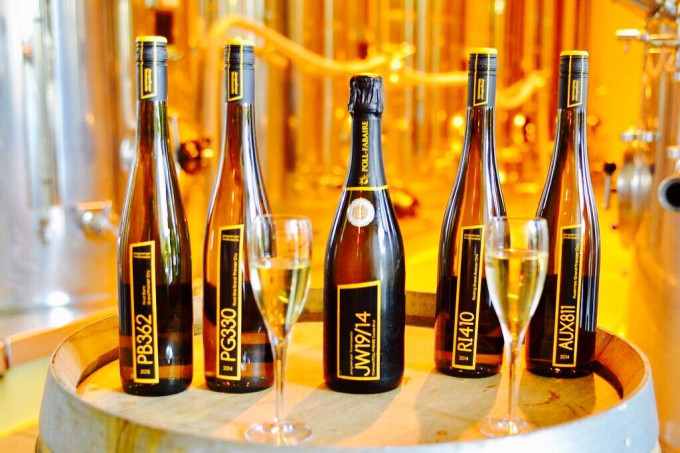
Nowadays, there are many wineries with e-commerce platforms. This is the case of Jongwënzer (“young winemakers in Luxembourgish”). They strive for continuous advancement in viticulture, winemaking, and commercialization, and are actively involved in projects with Domaines Vinsmoselle. With the guidance of master winemakers, they have crafted a selection of “Grand Premier Cru” wines, which they market under their own label.
As a young and innovative brand, they even designed their own label. The design is minimalist, yet highly distinctive, with each number on the label representing the specific barrel chosen for the wine. Currently, their collection includes an Auxerrois, a Pinot Blanc, a Pinot Gris, a Riesling, and, finally, a Crémant.
©Domaine Vinsmoselle
Decantalo, Spanish online wine retailer
Decantalo offers a wide selection of Spanish wines, working directly with producers to distribute their products across Europe. The platform has become a reference point for wine enthusiasts, thanks to reviews, detailed information about the wines, and the ability to purchase directly online. Through Decantalo, Spanish wine producers have reached an international clientele, using digital tools to promote and sell their products. Decantalo leverages a strong presence on social media and a mobile app to attract consumers, especially younger ones, interested in discovering new wines.
This collaboration has allowed Spanish wine producers to expand their reach beyond local borders and enter the European and global markets, thanks to Decantalo’s digital marketing and e-commerce capabilities.
©Decántalo
Bernard-Massard caves, Luxembourg
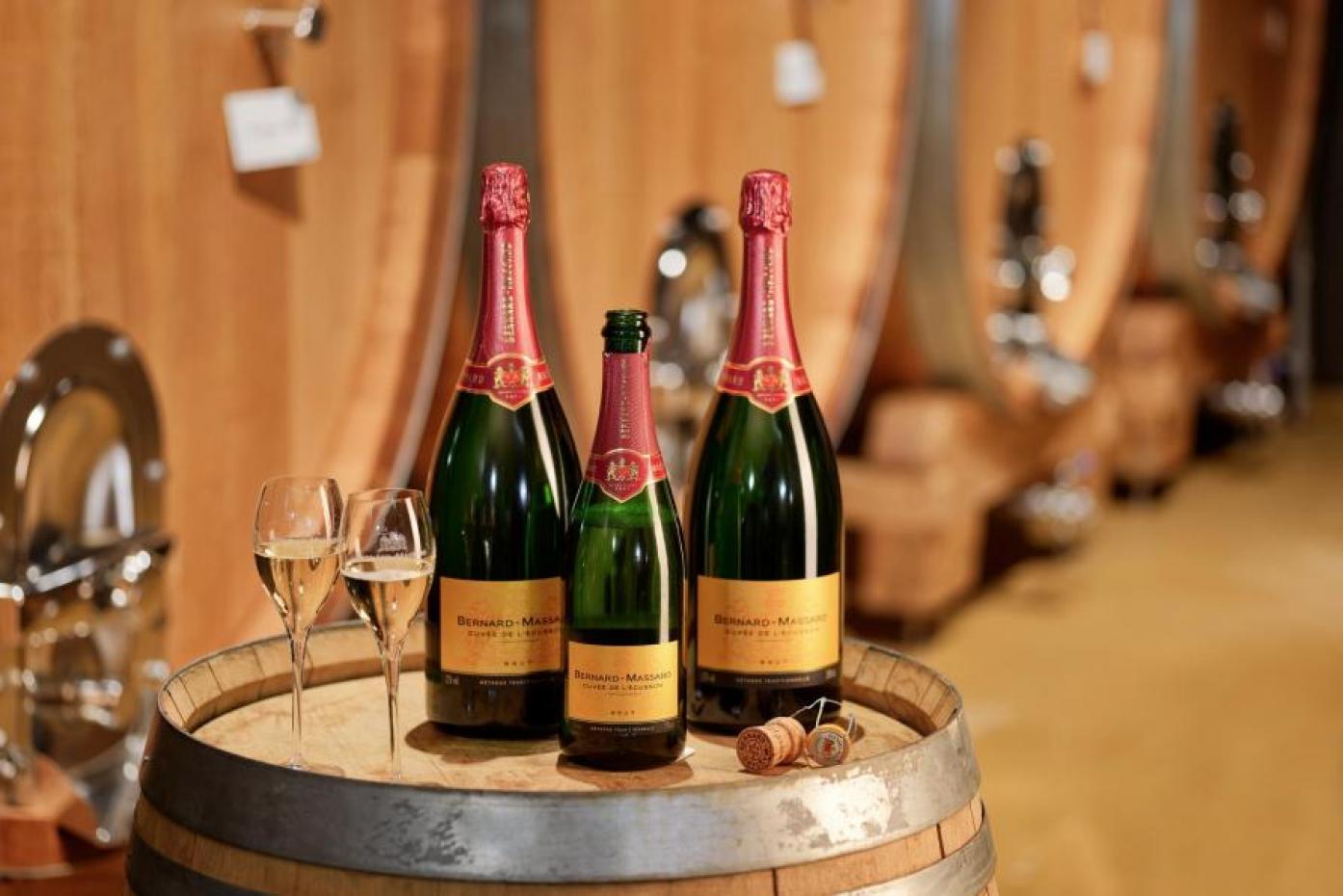
It is worth mentioning the caves of Bernard-Massard in Grevenmacher, in the north of the country. It is one the oldest and most famous wine producers in Luxembourg, the brand has teamed up with sustainable packaging companies to adopt more environmentally friendly practices. This includes using lighter bottles and recyclable materials for their packaging. Such moves have helped the winery align itself with the growing consumer demand for sustainability.
© Caves Bernard Massard
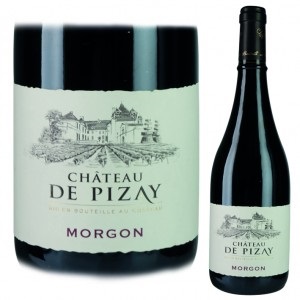
Château de Pizay, French winery in Beaujolais
Château de Pizay has embraced organic farming and biodynamic viticulture techniques to promote biodiversity and minimize the use of chemicals in their wine production. The estate is certified Biodynamic by Demeter, an internationally recognized certification for biodynamic farming. This certification ensures that the winery maintains strict standards when it comes to soil health, plant care, and animal welfare, all while reducing environmental impact.
In addition to its farming practices, Château de Pizay has made significant investments in energy efficiency and waste reduction. The winery has implemented solar panels to generate renewable energy, and it has also focused on water management, ensuring that water use is minimal and efficient.
Château de Pizay’s commitment to sustainability has made it a leader in the region, not only in producing high-quality wines but also in promoting environmentally conscious practices within the winemaking industry. Their approach is an excellent example of how a European winery can combine tradition with modern sustainable practices.
© Vivino België
SELF EVALUATION TEST
PRACTICAL EXERCISES
- Choose a type of strategic partnership that could benefit your wine business (distributor, restaurant,tourism company) and establish why it could be a good fit and it can help the business to grow.
- Think of a co-branding opportunity with another business (a winery and a luxury hotel) and outlinea simple plan for how you would work together (like hosting wine-tasting events).
- Develop a wine distribution strategy and highlight the challenges that you would face.
EXTRA RESOURCES (For further reading, in-depth exploration, and reflection)
- Bretherton P., 2006, The use of strategic alliances along the wine industry value chain, CentralQueensland University, Australia.
- Cafaggi F. and Iamiceli P., 2010, Inter-firm networks in the European wine industry, EuropeanUniversity Institute, Department of Law, Florence.
- Saïsset L.A., 2017, From Val d’Orbieu to InVivo Wine: the emergence of new ways of strategicpartnership and governance in French wine industry, AgEcon Search, Research in agricultural & appliedeconomics, Working Paper Moisa.
- Ritcher B. and Hanf J., 2020, Competitive strategies for wine cooperatives in the German wineindustry, WEP Wine Economics and Policy, University of Florence.
- Carrizo Moreira A., Ferreira Moutinho V. and Da Costa Pereira J., 2013, Evaluation of a Collaborative Strategy: a case study in the Port wine industry, RBGN, Brazilian Review of Business Management, Brazil.
- Partalidou M. and Tilkeridou D.K., 2023, ‘More than wine’. Wine routes as a strategic partnership for local development: The case of the Wine Route of Dionysus in Northern Greece, Journal of Tourism and Development, Greece. ‘More than wine’. Wine routes as a strategic partnership for local development: The case of the Wine Route of Dionysus in Northern Greece. | EBSCOhost
- Carrà G., Mariani M., Radić I. and Peri I., 2016, Participatory strategy analysis: The case of wine tourism business, Agriculture and Agricultural Science, Procedia, Florence “Sustainability of Well-Being International Forum”, FlorenceSWIF2015.
- Conto F., Vrontis D., Fiore M. and Thrassou A., 2014, Strengthening regional identities and culture through wine industry cross border collaboration, Department of Economics, University of Foggia, University of Nicosia, Italy and Cyprus.
- Bisson L.F., Waterhouse A.L., Ebeler S.E., Walker A.M. and Lapsley J.T., 2002, The present and future of wine industry, Department of Viticulture and Enology, University of California, USA.
- Caiazza R. and Stanton J., 2016, The effect of strategic partnership on innovation: An empirical analysis, Trends in Food Science & Technology, Elsevier. The effect of strategic partnership on innovation: An empirical analysis – ScienceDirect.
Learning unit 7.2 – Event management
Event management within the wine industry is a crucial aspect of marketing, branding, and consumer engagement. Wine events are platforms that bring together wineries, distributors, and consumers, offering an opportunity to showcase products, engage in wine education, and create memorable experiences that foster brand loyalty. This unit explores the key principles, best practices, and challenges of managing events in the wine sector, focusing on various types of events such as wine festivals, wine tastings, trade shows, and vineyard tours.
Before, we will explore the importance of organising events in the wine sector and then we will undergo few practical examples from Europe:
- Brand Awareness: Events such as wine festivals and tastings are excellent opportunities for wineries to raise awareness of their brand. By showcasing their wines in an interactive setting, wineries can connect directly with consumers, distributors, and influencers. An example is «Fête des Vins & Crémants » held every year in Luxembourg. The festival has the aim of tasting and discovering several local wineries.
- Consumer Engagement: Wine events offer an immersive experience where participants can engage with the product, taste a variety of wines, and speak directly with the producers. This level of engagement fosters loyalty and enhances consumer satisfaction.
- Networking and Business Development: For wineries, trade shows and industry networking events provide opportunities to establish connections with distributors, retailers, and other key players in the wine business. These events can lead to new partnerships, distribution channels, and sales opportunities.
- Education and Training: Wine events also serve as platforms for education. Seminars, masterclasses, and workshops can be organized to educate both consumers and professionals on wine production, tasting techniques, and food pairings. These sessions contribute to a deeper understanding of the wine industry and the products being offered. In the case of Luxembourg, there is the “Luxembourg Wine&Spirit Academy”, the only independent WSET school in the Grand Duchy. Another one is the Bernard-Massard Wine Academy.
- Promoting Regional Wines: Regional wine festivals and tastings help promote local wine cultures and attract tourism to wine regions. These events highlight the unique characteristics of local terroirs and educate consumers on wines from specific regions. For example, the grape and wine festival called “Drauwen” held in Grevenmacher every September.
Case studies
Luxembourg Wine&Spirit Academy (Education and Training)
The Luxembourg Wine & Spirits Academy (LWSA) is the first independent Wine & Spirit Education Trust (WSET) approved program provider in Luxembourg. They offer a range of courses tailored to both wine enthusiasts and professionals seeking to deepen their knowledge. (Lwsa.lu)
© Schlapala
Fête des Vins & Crémants (Promoting Regional Wines)
The “Fête des Vins et Crémants” is an annual festival in Luxembourg City that celebrates the country’s rich winemaking heritage, particularly from the Moselle region. Typically held in late November, the event spans three days and offers attendees the opportunity to sample a diverse selection of local wines and crémants (sparkling wines). In addition to wine tastings, the festival often features various cultural activities, including concerts and art exhibitions, enhancing the overall experience. (Vins-cremants.lu)

© Luxemburger Wort
Grevenmacher Grape and Wine Festival
The Grevenmacher Grape and Wine Festival, known locally as the “Gréiwemaacher Drauwen- a Wäifest,” is a cherished annual event in Luxembourg’s Moselle region. Throughout the weekend, attendees can enjoy a variety of activities suitable for all ages, including concerts, fireworks along the Moselle River, and numerous entertainment options spread across Grevenmacher. The festival offers a unique opportunity to sample Luxembourg’s renowned wines and crémants, providing a taste of the region’s rich viticultural heritage. (VisitMoselle.lu)

© Grevenmacher Grape and Wine Festival
Vinexpo (Bordeaux, France)
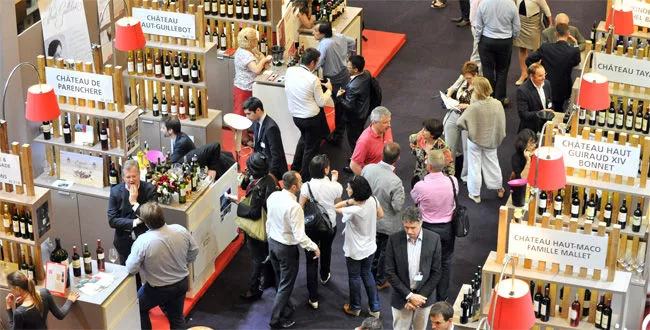
Vinexpo Bordeaux is one of the most significant wine and spirits trade fairs in the world. Held biennially in Bordeaux, France, it serves as a premier platform for professionals in the wine and spirits industry to network, explore new trends, and showcase products. It’s a major event for both established brands and emerging players within the wine sector. Vinexpo hosts thousands of exhibitors from around the world, including wineries, distilleries, wine merchants, distributors, and packaging companies. These exhibitors represent a broad spectrum of wine styles, including still wines, sparkling wines, spirits, and even innovative products like low-alcohol or organic wines.
© nStands
Vinitaly (Verona, Italy)
Vinitaly is one of the world’s most renowned wine trade fairs, held annually in Verona, Italy. Established in 1967, it serves as a premier event for the global wine industry, attracting producers, distributors, buyers, and wine enthusiasts from across the globe. The fair showcases a vast array of wines from both Italy and international regions, offering visitors a unique opportunity to taste, learn about, and network with industry professionals. Alongside tastings, Vinitaly features educational masterclasses, seminars, and workshops, where experts discuss trends, marketing strategies, and the future of wine. It’s not only a platform for showcasing the best in Italian wine, but also an essential venue for international business development and cultural exchange within the wine sector.

© Kellerei Kaltern
The Role of SEO & Content Marketing in Promoting Wine Events
In the wine sector, SEO and content marketing are critical to attracting both new customers and seasoned wine enthusiasts to events. Here’s how they can be leveraged:
- Targeted Search Visibility: Wine-related keywords, such as “virtual wine tasting,” “wine festivals,” “vineyard tours,” and “wine pairing events,” should be optimized on your event pages. This helps ensure that people searching for wine events or related experiences find your offerings. Integrating local SEO (such as region-specific keywords for winery events) is especially valuable for in-person or hybrid events.
- Educational Content: Content marketing within the wine sector is an effective way to engage attendees. Blog posts, videos, and social media content offering educational insights about wines, food pairings, wine regions, and winemaking techniques can build excitement for your event. This approach adds value to potential attendees, helping them see the event as an opportunity to learn and enjoy.
- User-Generated Content: Encouraging wine enthusiasts to share their experiences before and after events helps promote your wine-related experiences. Collect testimonials, event photos, and reviews that can be shared on your website or social media to build trust and inspire others to attend.
- Showcasing Wine Producers and Experts: Highlighting the winemakers, sommeliers, or wine experts featured in your event via blog posts, interviews, or behind-the-scenes content creates anticipation. Search engine optimization will ensure that such content ranks well and attracts wine enthusiasts interested in those experts.
Using Email Marketing to Build Anticipation for Wine Events
Wine events require a more sophisticated email marketing approach due to the connoisseur nature of the audience. Here’s how you can create an email marketing strategy tailored to wine events:
- Curated Content for Wine Lovers: Segment your email lists based on user preferences—whether they’re interested in red wines, whites, organic wines, or specific regions like Napa Valley or Tuscany. This segmentation allows for personalized emails, making each subscriber feel like the event is tailored specifically to their interests.
- Exclusive Pre-Event Offers: Send early-bird offers, discounts, or exclusive event previews (e.g., tastings of a rare wine or a first look at the event lineup) to create excitement. Special access to a wine expert’s session or an exclusive virtual wine tasting can help pique interest.
- Storytelling & Visuals: Use captivating storytelling in your emails. Share the history of the wines featured, the story behind the winemakers, or the narrative of how the event came to life. Stunning visuals of vineyards, wines, and past events can also stir emotions and build anticipation.
- Engagement Strategies: As the event date draws closer, send a series of reminder emails with engaging calls-to-action (CTAs). You can also include tasting tips, wine trivia, or content about wine regions or grape varieties, reinforcing the idea that your event is the best way to dive deeper into wine culture.
Leveraging Virtual/Hybrid Wine Events in the Wine Sector
Virtual and hybrid wine events are an exciting, evolving trend in the wine industry. They offer a unique blend of tradition and technology, making wine events more accessible and interactive. Here’s how these formats are being used in the wine sector:
- Expanding Reach: Virtual and hybrid formats allow wineries, sommeliers, and wine educators to reach a global audience. A live-streamed wine tasting or seminar can attract participants from all over the world, which was previously impossible with purely in-person events. This makes wine events accessible to people who may never have visited the winery or region in person.
- Interactive Wine Tasting: For virtual wine events, participants can be sent curated wine tasting kits ahead of time. These kits could contain small bottles of featured wines, allowing attendees to participate in the tasting in real-time, guided by an expert via video conference. This personal touch fosters an immersive experience, even in a virtual setting.
- Vineyard Tours and Winemaker Talks: Hybrid wine events could include virtual vineyard tours, where participants can “travel” to famous wine regions and see the winemaking process in action through live-streamed videos. Similarly, you can host virtual interviews or talks with winemakers, allowing attendees to ask questions and learn more about the process.
- Wine Pairing Events: Virtual wine pairing events are an emerging trend. Participants can learn how to pair wines with specific dishes, either by cooking at home or purchasing recommended food items. This type of educational content keeps attendees engaged while also enhancing the value of the event.
- Branded Experiences: To further boost engagement, wine brands can collaborate with influencers or wine experts to offer exclusive branded experiences. For instance, a popular sommelier might host a wine-tasting session featuring a specific wine brand, which adds prestige and interest to the event.
- Offering a Hybrid Ticketing Model: Hybrid wine events allow you to offer both in-person and virtual ticket options, catering to different preferences. In-person ticket holders can enjoy the full sensory experience of tasting wines on-site, while virtual ticket holders can still participate in the tastings remotely, watching the event live and engaging with winemakers from their homes.
- Post-Event Engagement: After the event, it’s important to keep the buzz going. Offering access to recorded content (e.g., tasting sessions, masterclasses) or a discount code for future purchases helps build long-term relationships with your audience. Follow-up emails with highlights or exclusive offers can turn casual participants into loyal customers.
Types of Wine Events
Wine Festivals
Large-scale public events that bring together wineries, distributors, and wine enthusiasts. These events typically feature wine tastings, live entertainment, food pairings, and competitions. Wine festivals are a great way to reach a broad audience and generate media coverage.
Wine Tastings
These events can be held in a variety of settings, such as wineries, wine shops, or restaurants. Wine tastings provide attendees the opportunity to sample a selection of wines while learning about the production process, tasting notes, and pairing suggestions. Tastings can range from casual, walk-around events to formal, seated experiences.
Trade Shows and Expos
These industry-specific events are typically aimed at wine professionals, including producers, distributors, retailers, and restaurateurs. Trade shows focus on networking, business development, and product discovery. These events allow wineries to showcase new releases, seek distribution partners, and gather feedback from industry professionals.
Vineyard Tours
Offering an experiential, behind-the-scenes look at the winemaking process, vineyard tours allow guests to explore the vineyards, learn about grape cultivation, and participate in wine tastings. These tours can be guided or self-directed and often focus on educating consumers about the nuances of terroir and sustainable practices.
Winemaker Dinners and Food Pairing Events
These exclusive, intimate events allow consumers to experience wine in a culinary setting. Paired with gourmet meals, these events are often hosted by renowned chefs and winemakers, offering guests the opportunity to deepen their understanding of wine-food pairings and enhance their tasting experiences.
Considerations for Event Management
Successful event management requires careful planning, coordination, and execution. Some key considerations for organizing wine events include:
Target Audience
Identifying the target audience is essential for tailoring the event to meet their expectations. Are you targeting casual wine drinkers, connoisseurs, or industry professionals? Understanding the demographic will guide the tone, format, and scale of the event.
Location and Setting
The venue plays a significant role in creating the right atmosphere for the event. Wine events may take place in wineries, vineyards, hotels, convention centres, or outdoor spaces. The location should align with the event’s objectives, whether it is an upscale tasting experience or a lively wine festival.
Logistics and Infrastructure
Wine events require careful planning in terms of logistics. This includes arranging transportation, catering, staffing, and ensuring compliance with relevant regulations, such as alcohol permits and age restrictions. For larger events, the logistics of crowd control, safety, and emergency services must also be considered.
Sponsorship and Partnerships
Many wine events are supported by sponsorships from local businesses, industry partners, or even media outlets. Establishing these partnerships can provide financial support, increase visibility, and contribute to a wider reach. Sponsors can be featured at the event through branding, signage, or product placements.
Marketing and Promotion
A strong marketing strategy is crucial for attracting attendees. This can include digital marketing, such as social media campaigns, email newsletters, and influencer partnerships, as well as traditional marketing, including print ads, flyers, and posters. Offering early bird tickets, special promotions, or exclusive perks for attendees can help generate interest.
Event Content
The content of the event should be designed to offer value to the attendees. This can include guided tastings, educational seminars, live demonstrations, and interactive experiences. Ensuring that the event content aligns with the interests of the target audience is key to its success.
SELF EVALUATION TEST
PRACTICAL EXERCISES
- Create a marketing plan for a wine event: choose an event, identify the target audience, write waysto promote the event and suggest a way to attract more attendees.
- Plan a wine tasting event: choose a location, select 3-5 wines to feature and list two ways to makethe event interactive.
- Try creating an attractive and engaging social media post for a wine tasting event, you can use Canva as well.
EXTRA RESOURCES (For further reading, in-depth exploration, and reflection)
- Thomas O., Hermes B. and Loos P., 2008, Reference Model-Based Event Management, Saarland University, Germany.
- Shone A. and Parry B., 2019, Successful Event Management – A practical handbook, CENGAGE, Australia, Brazil, Mexico, Singapore, United Kingdom, United States.
- O’Toole W.J., 2000, Towards the Integration of Event Management Best Practice by the Project Management Process, Events Beyond 2000: Setting the Agenda, Sydney.
- Van Der Wagen L. and White L., 2010, Events Management. For tourism, cultural, business and sporting events, Pearson, Australia. Event Management – Lynn Van der Wagen – Google Libri
- Raj R. and Musgrave J., 2009, Event Management and Sustainability, CABI Digital Library. Event management and sustainability | CABI Books
- Strickland P., Robin B.M. and Ratten V., 2024, Wine Festival and Events: A Systematic Review, University of Central Florida, Orlando, USA. Wine Festivals and Events: A Systematic Review: Ingenta Connect
- Cavicchi A. and Santini C., 2014, Food and Wine Events in Europe. A stakeholder approach, Routledge, London and New York. Food and Wine Events in Europe: A Stakeholder Approach – Google Libri.
- Hall M. C. and Sharples L., 2008, Food and Wine Festivals and Events Around the World, Burlington, USA, Oxford, UK. Food and Wine Festivals and Events Around the World: Development, Management … – Colin Michael Hall, Liz Sharples – Google Libri
- Gonclaves O., Camprubi R., Fons C. and Solonandrasana B., 2022, Image, eventscape, satisfaction and loyalty: A case study of a wine tourism event, International Journal of Event and Festival Management, Emerald Publishing. https://www.emerald.com/insight/content/doi/10.1108/ijefm-09-2020-0054/full/html
- Tanford S., Montgomery R. and Hertzman J., 2012, Towards a Model of Wine Event Loyalty, Journal of Convention and Event Tourism, Volume 13. Towards a Model of Wine Event Loyalty: Journal of Convention & Event Tourism: Vol 13, No 2.
Learning unit 7.3 – Professional networking
Professional networking plays a vital role in the growth and success of businesses across industries, and the wine sector is no exception. Building strong professional relationships and developing a network of contacts can provide significant opportunities for collaboration, business development, and market expansion. In the wine industry, where reputation, quality, and distribution are key to success, effective networking can open doors to new partnerships, suppliers, distributors, customers, and industry knowledge.
This unit explores the significance of professional networking in the wine industry, the key strategies for building a successful network, and the benefits of strong connections in this sector.
The Importance of Networking in the Wine Sector
In the wine sector, networking is crucial for a variety of reasons, including the following:
Business Development and Expansion
Wine producers, distributors, and retailers often rely on their network to expand their businesses. Through networking, they can find new partners, enter new markets, and increase their sales channels. This is particularly important in the wine industry, where distribution networks can be complex, and relationships with key distributors and retailers are often critical to success.
Access to New Opportunities
Professional networking offers wine professionals the opportunity to discover new trends, technologies, and innovations in winemaking, packaging, and marketing. It also opens the door to unique collaborations, such as joint ventures, co-branding opportunities, and access to new consumer segments.
Knowledge Sharing and Best Practices
Networking enables wine professionals to exchange knowledge and experiences with peers. This sharing of insights on everything from vineyard management and sustainable winemaking to marketing strategies and regulatory compliance can help participants stay ahead of industry trends and improve their practices.
Building Reputation and Credibility
In the wine industry, reputation is everything. Strong professional networks help individuals and businesses build their reputations by showcasing their expertise, sharing their achievements, and positioning themselves as trusted industry leaders.
Event Invitations and Industry Recognition
Many key events in the wine industry, such as international wine competitions, trade shows, and networking dinners, are often invite-only. A strong professional network can grant access to such events, which provide valuable exposure and the chance to connect with influential players in the wine industry.
Strategies for Networking in the Wine Industry
Successful networking in the wine sector involves more than simply attending events. It requires a strategic approach and effort to build and nurture relationships. Some key strategies for networking in the wine industry include:
Attending Industry Events
Participating in wine fairs, festivals, trade shows, and conferences is one of the most effective ways to meet new people and establish connections within the wine sector. For example, events like Vinitaly (Italy), Vinexpo (France), or Wine & Spirits Wholesalers of America (WSWA) are major networking hubs that attract professionals from around the world. These events provide opportunities to meet suppliers, distributors, buyers, wine critics, sommeliers, and other industry stakeholders.
Joining Industry Associations and Networks
Many professional networks and associations are dedicated to the wine industry, such as the International Wine International Association (WIA) and the Wine & Spirits Education Trust (WSET). Becoming a member of such associations can provide networking opportunities, access to training programs, and invitations to exclusive events.
Leveraging social media
In today’s digital world, online networking platforms such as LinkedIn, Instagram, and Twitter have become powerful tools for professionals in the wine industry. By actively engaging with content related to winemaking, tasting notes, wine reviews, and wine events, wine producers, sommeliers, and distributors can raise their profile, connect with other professionals, and attract potential clients or partners. Additionally, joining relevant Facebook groups or wine forums can help foster connections with people who share similar interests.
Building Local Relationships
While global networking is essential, local networking can also be highly valuable, particularly for small wineries and startups. Engaging with local wine clubs, distributors, and retailers is a great way to build strong relationships and create a customer base in the immediate area. Hosting wine tastings, participating in local festivals, or collaborating with nearby restaurants can also help strengthen local ties and boost word-of-mouth marketing.
Collaborating with Influencers and Opinion Leaders
The wine industry has a number of influencers, critics, and wine bloggers who can have a significant impact on a brand’s reputation and marketability. Reaching out to these individuals for collaborations, tastings, or wine reviews can help raise the visibility of a wine brand, establish credibility, and tap into new consumer markets.
Offering Value in Conversations
Successful networking is not only about what you can gain from others but also about what you can offer. Wine professionals should approach networking with a mindset of providing value to others. This could mean sharing industry insights, offering to introduce people to new business contacts, or simply giving advice or assistance when needed. The more value you provide to others, the stronger your professional reputation will become.
Following Up and Nurturing Relationships
Networking should not be a one-off event. After meeting someone at a wine festival or trade show, it is important to follow up, whether by email, phone, or social media. Keeping in touch through occasional updates, sharing interesting industry news, or inviting someone to future events helps nurture relationships and keeps your brand top of mind.
Benefits of Professional Networking
Building and maintaining a strong professional network in the wine industry offers numerous benefits, including:
Access to Market Insights and Trends
Wine industry professionals who network regularly are better positioned to stay informed about trends, market shifts, and new technologies. Whether it’s a growing interest in organic wines, a shift in consumer preferences, or emerging wine regions, networking allows professionals to gain valuable insights that can shape their business strategies.
Collaborations and Partnerships
Networking facilitates the formation of partnerships that can lead to joint ventures, co-marketing campaigns, and shared resources. For example, two wineries might collaborate on creating a special wine blend, or a vineyard might work with a local restaurant to host a wine-pairing dinner. These collaborations can increase visibility, generate buzz, and open new revenue streams.
Increased Sales and Distribution Channels
Professional networking helps wineries expand their distribution channels and reach new markets. For example, meeting a distributor at a trade show or festival can lead to new sales opportunities in different regions or even internationally. Building relationships with retail buyers can also help place wines in stores and restaurants, boosting sales.
Mentorship and Guidance
Networking with experienced professionals can provide opportunities for mentorship. New wine producers or those looking to enter the industry can benefit greatly from the advice and guidance of established industry veterans who can help them navigate challenges, avoid mistakes, and accelerate their growth.
Exposure and Brand Recognition
Having a strong professional network can increase your visibility and help establish your reputation within the wine industry. A strong network of contacts can lead to media coverage, speaking opportunities, and invitations to prestigious wine events, which can elevate your brand and attract new consumers.
Challenges in Networking
While networking is a powerful tool, it comes with its own set of challenges, particularly in the wine industry:
Highly Competitive Industry
The wine sector is competitive, with many players vying for limited distribution channels, press coverage, and consumer attention. It can be challenging to stand out and form meaningful connections, especially for small or emerging wineries.
Cultural and Regional Barriers
Wine is a global industry, but it is also deeply rooted in regional traditions and cultural practices. Networking across diverse cultures and languages can sometimes pose challenges in communication and understanding. Wine professionals must be mindful of these
differences and find ways to bridge gaps.
Maintaining Meaningful Connections
In a busy industry with frequent events and conferences, it can be difficult to maintain meaningful connections and avoid superficial networking. Building authentic relationships that go beyond business transactions requires time, effort, and a personal approach.
Case Studies
VinExpo (Paris, France)
Vinexpo Paris is one of the leading global wine and spirits trade fairs, held annually in Paris, France. As a key event in the wine industry, it brings together thousands of professionals, including producers, distributors, buyers, sommeliers, and wine enthusiasts, from all around the world. The fair offers a dynamic platform for showcasing the latest trends, products, and innovations in the wine and spirits sectors. Alongside the exhibition, Vinexpo Paris hosts a variety of educational events, masterclasses, and tastings, where industry experts share insights on wine production, marketing, and tasting techniques. The event also fosters networking opportunities, helping businesses to expand their reach, establish new partnerships, and explore emerging markets. With Paris being a central hub for global culture and commerce, Vinexpo Paris is a must-attend event for anyone involved in the wine and spirits industry.
© Triacca
Wine & Spirits Education Trust (WSET)
The Wine & Spirits Education Trust (WSET) is a globally recognized organization that provides high-quality, internationally accredited education and training in wine, spirits, and sake. Founded in 1969 in London, WSET offers a range of qualifications designed for individuals at all levels, from enthusiasts to industry professionals. Their courses cover topics such as wine production, tasting techniques, wine and food pairing, and the business of wine. WSET’s qualifications are widely respected and sought after by those working in the wine and spirits industries, as well as those pursuing a deeper understanding of these beverages for personal enjoyment. With a network of approved course providers around the world, WSET has become a leading institution for wine and spirits education, empowering individuals with the knowledge and expertise needed to excel in the global drinks industry.
© Hambledon Vineyard
SELF EVALUATION TEST
PRACTICAL EXERCISES
- Design a wine event concept: define the type of event, the audience, etc.
- Create a networking plan: outline specific goals for building your professional network, such asmeeting 5 new industry contacts per month or attending 2 wine events.
- Curate and send out a newsletter to your network with insights, trends, and opportunities in thewine industry, establishing yourself as a thought leader and encouraging ongoing engagement.
EXTRA RESOURCES (For further reading, in-depth exploration, and reflection)
- Giuliani E., 2006, The selective nature of knowledge networks in clusters: evidence from the wine industry, University of Pisa, Italy.
- Pezzillo Iacono M., Esposito V. and Berni A., 2013, Temporary project network and innovation: research on the Italian regional wine industry, international journal of Managing Projects in Business, Emerald Publishing. Temporary project network and innovation: research on the Italian regional wine industry | Emerald Insight
- Zanuzzi C., Tonial G., Matos F. and Selig P., 2023, Knowledge Management and International Networks of the Wine Industry, University of Santa Catarina, Lisbon University Institute, Portugal and Brazil.
- Duarte Alonso A., Kok S. and Galbreath J., 2021, Entrepreneurial women in the wine industry: a study in emerging economies, Emerald Publishing, Australia, Vietnam. Entrepreneurial women in the wine industry: a study in emerging economies | Emerald Insight.
- Franco M. and Martins R., 2023, The Role of Networks in the Internationalization Process of Small – and Medium – sized Enterprises in the Wine-producing Sector, Sage Journals, Portugal. The Role of Networks in the Internationalization Process of Small- and Medium-sized Enterprises in the Wine-producing Sector – Mário Franco, Rui Martins, 2023.
- Casarosa F. and Gabbato M., 2015, Chapter 9: Food quality through networks in the European wine industry, Book: The Changing Landscape of Food Governance. Chapter 9: Food quality through networks in the European wine industry in: The Changing Landscape of Food Governance.
- Benson-Rea M., 2002, Networks and relationships in strategy: a case study of the New Zealand wine industry, University of Auckland, Australia.
- Boyer J. and Touzard J.M., Adaptation Strategies to Climate Change in the French wine industry: The role of networks connecting wine producers and researchers, UMR 0951 Innovation, France.
- Anderson-Gough F., Grey C. and Robson K., 2006, Professionals, Networking and the Networked Professional, Professional Service Firms. Professionals, Networking and the Networked Professional | Emerald Insight.
- Maghssudipour A., Capone F., Innocenti N. and Lazzaretti L., 2023, Do social and professional relations matter when firms make decisions on export destinations? The Italian case of the Montefalco wine cluster, World Review of Entrepreneurship, management and sustainable development, Vol. 16, No. 6. https://www.inderscienceonline.com/doi/abs/10.1504/WREMSD.2023.133739
REFERENCES
- Carrà, G., Mariani, M., Radić, I., & Peri, I. (2016). Participatory strategy analysis: The case of wine tourism business, Agriculture and Agricultural Science Procedia, 8, 706-712.
https://doi.org/10.1016/j.aaspro.2016.02.050. - Cavicchi, A., & Santini, C. (Eds.). (2014). Food and Wine Events in Europe: A Stakeholder Approach (1st ed.). Routledge.
https://doi.org/10.4324/9781315796901. - Getz, D. (2019). Wine and Food Events: Experiences and Impacts. In: Sigala, M., Robinson, R.N.S. (eds) Wine Tourism Destination Management and Marketing. Palgrave Macmillan, Cham.
https://doi.org/10.1007/978-3-030-00437-8_11. - Henderson, J. E., Dhanaraj, C., Avagyan, K., & Perrinjaquet, M. (2014, August). Strategic partnerships. IMD. Link :
https://www.imd.org/research-knowledge/organizational-design/articles/strategic-partnerships/. - Porter, Caitlin & Woo, Sang Eun & Alonso, Nicole & Snyder, Galen. (2023). Why do people network? Professional networking motives and their implications for networking behaviors and career success. Journal of Vocational Behavior. 142.
- Szabó, Z., Event Marketing—The Driver of Wine Culture, Budapest Business School—University of Applied Sciences, Management Studies, Mar.-Apr. 2018, Vol. 6, No. 2, 121-126. Link:
https://pdfs.semanticscholar.org/2d66/f378356d978b853d952019b6e5e130d66e1e.pdf. - Valbuena-Hernandez, J. P., & Ortiz-de-Mandojana, N. (2022). Encouraging corporate sustainability through effective strategic partnerships. Corporate Social Responsibility and Environmental Management, 29(1), 124–134.
https://doi.org/10.1002/csr.2188.
WEBSITES
- Strategic Partnership Types, Benefits & How to Find Partners. Link:
https://respona.com/blog/strategic-partnership/. - The Knowledge Academy. (n.d.). What is event management? The Knowledge Academy. Link:
https://www.theknowledgeacademy.com/blog/what-is-event-management/. - NovoResume. (2023), Professional networking: What is it & why it matters. Link:
https://novoresume.com/career-blog/professional-networking.