
MODULE 2 - Environmental needs and sustainable wine production
MODULE 2
Environmental needs and sustainable wine production
Introduction to the module
Module 2: “Environmental Needs and Sustainable Wine Production” provides an exploration of the pivotal role that environmental stewardship plays in the modern wine industry. This module aims to enhance understanding of the complex interplay between viticulture and environmental factors, with a particular focus on sustainable practices that can lead to more resilient and eco-friendly wine production methods. Participants will delve into the latest strategies and technologies in sustainable viticulture, learn about crucial resource management techniques, and gain practical knowledge on implementing these practices in their operations. This comprehensive approach not only prepares learners to effectively manage environmental challenges but also equips them to contribute positively to the global push for environmental sustainability in wine production.
Structure of the module
Learning Unit 2.1 - Environmental challenges in wine production
This unit explores the current environmental challenges facing the wine industry, focusing on the direct impacts of climate change such as temperature shifts and unusual precipitation patterns on viticulture. The discussion extends to how these changes affect vine health and grape quality, as well as the regulatory and market-driven environmental requirements for wineries.
Duration: 3 hours
Learning outcomes: Participants will understand the environmental changes impacting wine production and will be able to identify how these changes influence vine health and grape quality.
Resources/Bibliography
EXTRA RESOURCES
Learning Unit 2.2 - Sustainable farming techniques
This unit addresses the adoption of sustainable farming techniques in viticulture. It covers water management, soil conservation, the use of organic and biodynamic practices, and integrated pest management (IPM) approaches. Innovations in sustainable farming technology are also discussed to provide learners with contemporary solutions that can be applied in their practices.
Duration: 4 hours
Learning outcomes: Participants will learn to implement sustainable agricultural practices that enhance ecosystem health and reduce the environmental footprint of vineyard operations.
Resources/Bibliography
EXTRA RESOURCES
Learning Unit 2.3 - Resource management strategies
Focusing on efficient resource management, this unit dives into strategies for managing natural resources critical to viticulture, including water, soil, and biodiversity. Topics include innovative approaches to water conservation, energy management, and comprehensive waste management techniques.
Duration: 3 hours
Learning outcomes: Participants will acquire skills in managing vineyard resources more efficiently, focusing on sustainability and cost-effectiveness.
Resources/Bibliography
EXTRA RESOURCES
Learning Unit 2.1 - Environmental challenges in wine production
2.1.1 Introduction
How does climate change affect wine production?
Climate change is increasingly impacting several aspects of viticulture, including vine phenology, grape composition and growing suitability.
1. Warmer temperatures
1.1 The entire growing cycle is happening earlier.
Budding, flowering, fruit-set, veraison, and harvest are all taking place, on average ten days to two weeks sooner than they used to. Hotter growing-season temperatures are making it harder for growers to achieve balance in the fruit compounds (sugar, acids, tannins)—and, therefore, in the finished wine.
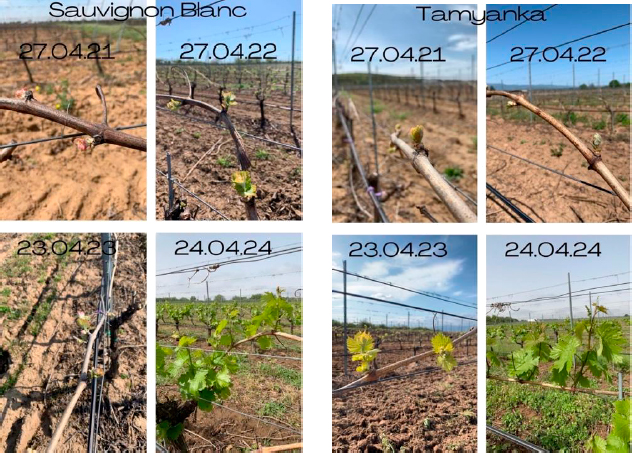
Images: Veselin Rashev, Bulgarian Winemaker
1.2 Spring frost
Winters are significantly milder, vines are often coming out of dormancy far earlier than they used to, making them more vulnerable to frost. Some regions have had a pattern of mild winters, followed by sudden cold snaps in early spring, which kill off vulnerable young growth.
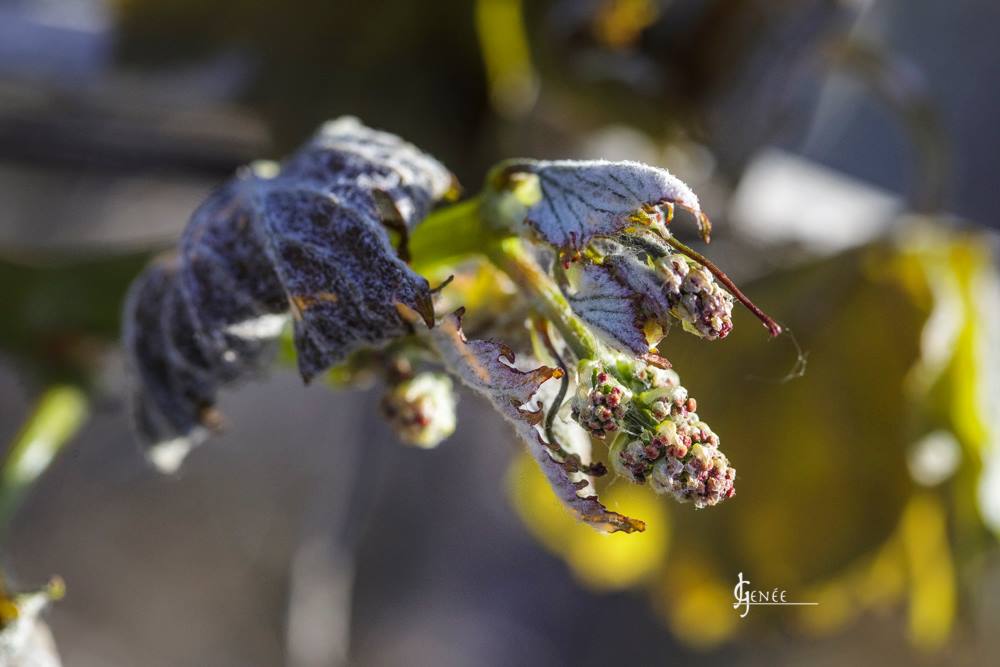
Image: Jérome Genée
1.3 Wildfires
Wildfires are devastating to vineyards, people, and property. But the rolling clouds of smoke can cover vineyards and ruin wines produced from vines that were never in physical danger from the flames. Australia, South Africa, and the US have all seen wines affected by smoke taint over the last ten years.
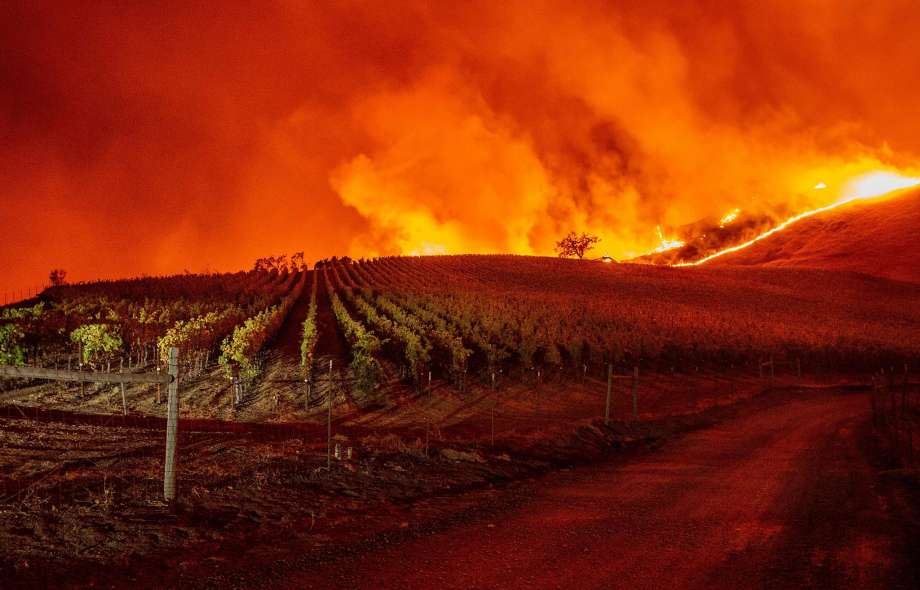
Image Wine Spectator: The Kincade fire threatens a vineyard in the hills above Geyserville, Calif. (JOSH EDELSON/AFP/Getty Images)
Wildfires are devastating to vineyards, people, and property. But the rolling clouds of smoke can cover vineyards and ruin wines produced from vines that were never in physical danger from the flames. Australia, South Africa, and the US have all seen wines affected by smoke taint over the last ten years.
2. Shortage of water
Some regions have seen more rainstorms in the past few years, but less water in recent years, and multiple heat waves. Grapevines may be more tolerant of water shortages than other plants, but too much stress can interfere with photosynthesis, delay or inhibit bud ripening, reduce winter hardiness, or cause the vine to cease production altogether.
3. Hailstorms in the spring
Europe is more affected by hailstorms, which can be devastating to crops. Hail damage to vineyards also affects the next harvest.
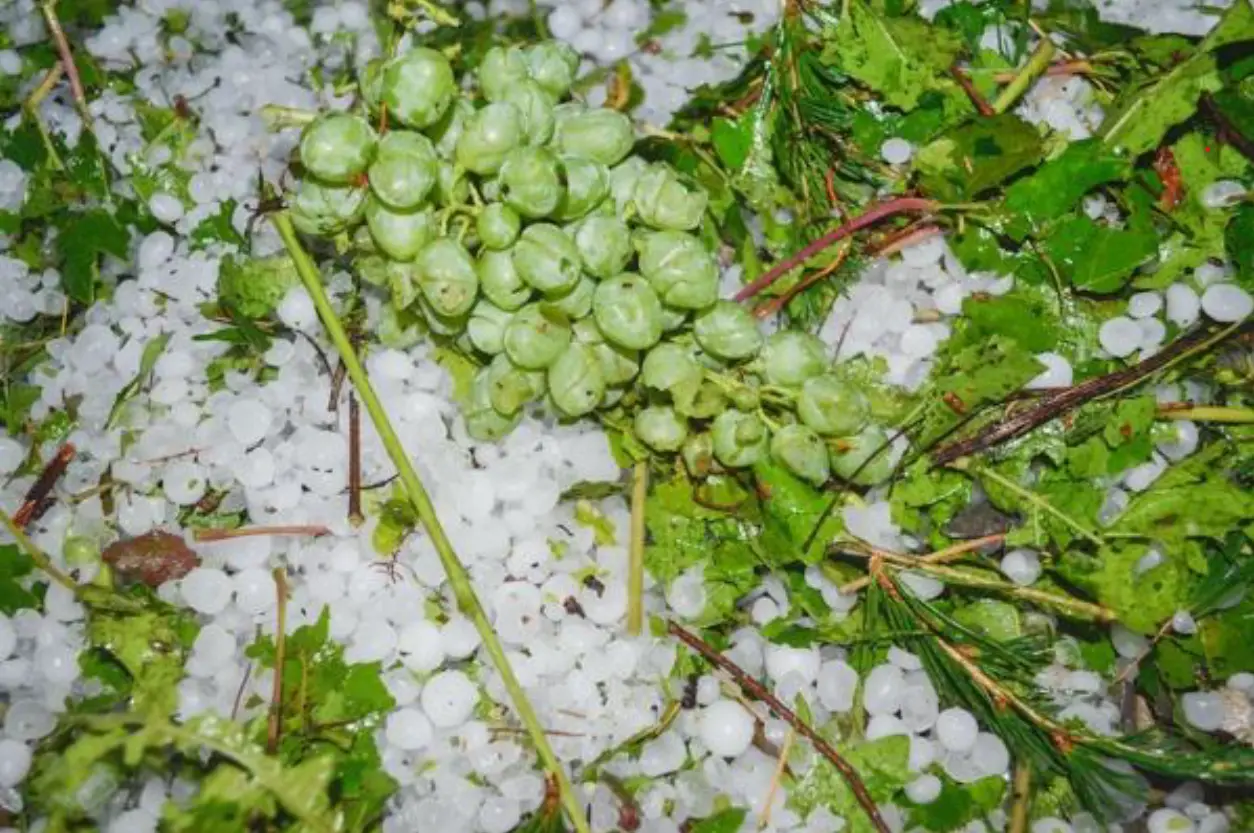
Image (David Bokuchava/stock.adobe.com)
4. Change in the geography of viticulture.
The National Academy of Sciences suggests that the general shift of warmer temperatures poleward will lead to a “huge shake-up in the geographic distribution of wine production” in the next half-century. Cooler regions are becoming more suitable for viticulture, and in some of the warmer regions, viticulture may be lost. Some appellations AOC may lose prestige and price, their land too, while others will become more interesting to investors.
Over centuries, European vintners have developed a profound knowledge about grapes, environment, and techniques that yield the most distinguishable wines. In many regions, this knowledge is reflected in the system of wine geographical indications (GI), but climate change is challenging this historical union. The legal rigidity of the GI system can impair the ability of wine regions to adapt and to preserve traditional wine production in the context of climate changing.
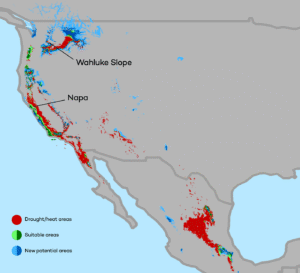
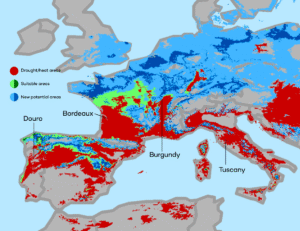
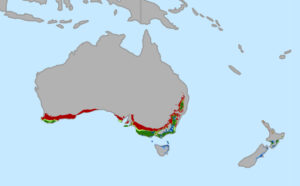
Image: Maps show areas in red will have extreme heat and drought stress in 2015. Maps created by Conservation International
2.1.2 Overview of current environmental challenges facing the wine indust
(Activity 1: Read a booklet detailing the environmental challenges facing the wine industry)
All agricultural crops, including vine and grape growing, are dependent on and inextricably linked to climate and weather. Climate change is increasingly affecting several aspects of viticulture, including vine phenology, grape composition and suitability for cultivation. Heat waves, forest fires, heavy and prolonged rainfall and hail are already affecting yields and the quality of grapes, as well as their alcohol, acid and sugar content. Although grapes are grown all over the world, the production of premium wines takes place within very narrow climatic limits. A report by the European Environment Agency (EEA) on adaptation to climate change in the agricultural sector in Europe predicts that by the middle of this century climate change will have a negative impact on the development of grapes and the quality of wine in the traditional wine-growing regions of southern Europe.
Climate change has direct and indirect impacts on grape cultivation, harvests and the agroecosystems on which they depend. The direct impacts relate to changes in phenology and acceleration of ripening, changes in water supply and direct effects of increased CO2 levels on growth. Indirect impacts are the result of direct effects that negatively affect agricultural production, e.g. increases in the number and type of pests, diseases, and extreme events such as very strong winds, hail, intense heat, and frosts.
2.1.3 Effects of climate change on viticulture, including temperature shifts and precipitation patterns
Global warming is defined as the increase of the average temperature on the Earth. This includes both atmospheric and oceanic temperatures. Since the beginning of the twentieth century, the average global temperature has risen about 1 C, with about two thirds of that rise occurring since 1960.
Grape growing regions are often classified into so-called ‘Winkler regions’ according to heat summation measured in cumulative growing degree days (GDD), a scheme originally proposed by Amerine and Winkler (1944). This method sums up the mean daily temperatures above a threshold typically set at 10°C over a 7-month ‘standard’ growing season (April–October in the northern hemisphere and October–April in the southern hemisphere). Each 1°C increment in mean temperature adds 214 GDD to the standard growing season. Therefore, if one assumes an average increase from the present of 1.5°C by 2020, cumulative heat units would increase by 321 GDD. A 2.5°C increase by 2050 would add 535 GDD to the current heat units. In addition, the predicted increase in spring and autumn temperatures will also lead to longer actual growing seasons, which are determined by the frost-free period (days between the last spring and first autumn frosts).
Precipitation patterns are also changing. In recent years, rising temperatures have resulted in winter precipitation falling as rain instead of snow, and the average snow line will shift to higher elevations. This leads to a change in river flows that rely on snowmelt. Peak flows will shift from late spring/early summer to late winter/early spring, and flows will decrease in summer, leading to dry weather. Such changes in river flows increase the risk of flooding in early spring, and there will be less water available for irrigation during the critical season. With earlier snowmelt, rainfall is projected to increase less than evaporation, so droughts will increase significantly in regions and seasons that are already relatively dry.
Тhe reduced river flows in summer in dry regions are compounded by drier soils and higher evaporation from irrigated farmlands, which will greatly increase the demand, and therefore the competition, for water. Furthermore, the greater increase in evaporation than precipitation can also be expected to accelerate salinisation in dry (and drying) regions.
Hotter temperatures cause grapes to ripen faster, bringing sugar (and alcohol) content up and acidity (which gives the wine its freshness) down, while leaving insufficient time for tannins and other essential compounds to develop.
The increase in seasonal temperature results in a shift in the growing season, thus changing the normal pattern of grape development towards an earlier onset of flowering, veraison, and ripening. Earlier vegetation means that the critical ripening period shifts to the warmer part of the season, resulting in a change in the chemical composition of the grapes: increased sugar in the fruit, lower concentrations of acids (especially malic acid) and lower levels of anthocyanins and methoxypyrazine. The higher sugar content leads to a higher alcohol content in the wine, which changes the taste and mouthfeel. The lower malic acid content, especially in white wines that do not undergo malolactic fermentation, may necessitate an adjustment of the acidity with other acids. This disturbs the natural balance in the wine. The lower anthocyanin content will adversely affect the colour of red wines.
Hailstorms
Climate change can disrupt traditional weather patterns, leading to changes in wind and temperature gradients that favour the development of localised precipitation. Hail forms in thunderstorms with strong updrafts, and changes in precipitation patterns can affect the frequency and severity of these types of storms.
Climate change can lead to larger hailstorms, as high temperatures at higher altitudes can cause hail to increase in size before it falls to the ground. This can lead to more damaging hailstorms.
In addition, warmer temperatures provide the atmosphere with additional energy, making it more conducive to the development of thunderstorms. This increased energy can lead to more hailstorms.
Wildfires
Longer frost-free seasons and higher summer temperatures combined with drier conditions are furthermore associated with an increase in the frequency of wildfires.
Wildfires around the world have been one of the more dramatic effects of climate change in recent years. The obvious result of these fires is that they destroy vines. But they can affect wine in another way too – smoke from wildfires can also ruin grapes up to 100 miles away, making the wine taste different, at best, and in some cases, making it undrinkable.The impact of climate change, including rising temperatures, increased wind, and drought, is creating more favourable conditions for wildfires. The effects of fires can hurt various components of vineyards, such as leaves, shoots, buds, and fruit-producing organs, and in extreme cases can even lead to the complete destruction of vineyards.
The degree of fire damage varies from vineyard to vineyard depending on factors such as climatic conditions, fire intensity and vine growth phase. At the same time, during fires, smoke carries particulate matter, gases and volatile phenols that can damage vineyards and affect the chemical composition of grape berries. Although the exact physiological effects of smoke exposure on plant growth and development are not fully understood, it is known that smoke can cause necrotic lesions on leaves, inhibit photosynthesis, reduce sugar accumulation in fruits, and reduce yield.
Spring frost
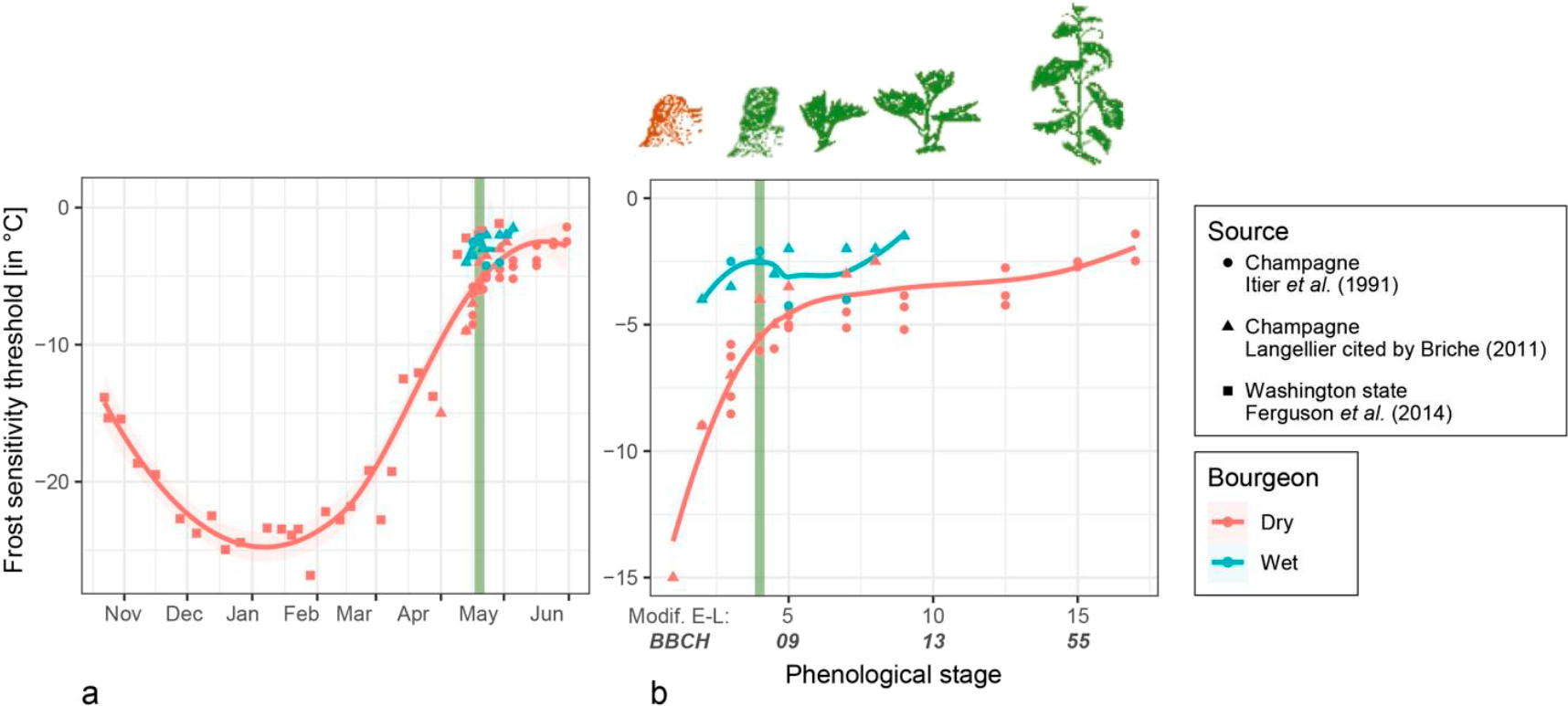
These phenological changes depend on crop types and climate change impacts at local level, but they lead to higher crop sensitivity to frost. Indeed, for a same calendar date and frost risk, crops are either more often in a sensitive stage of growth or in an even more sensitive stage than it was before.
The vulnerability of grapevine is dynamic. It changes after cold weather in the preceding days, to which the vine acclimatizes during dormancy, in particular due to an increase in the soluble sugar concentration in the dormant buds and vascular tissues1. In early fall, latent buds can withstand temperatures down to about -10 °C, and the cold hardiness threshold can reach -25 °C in the middle of winter. The threshold gradually rises to around 5 °C as budburst approaches and reaches a maximum of around 2 °C on young vine shoots.
Wetness of the buds (rain, melted snow or saturation humidity) increases bud sensitivity to frost by 3 to 4 °C in winter and until budburst. Hence, at the green tip stage, temperatures of 3 °C will cause severe damage to wet buds but will be of no consequence in dry weather.
Diseases
Changes in temperatures and humidity may increase the presence of insects and insect-borne diseases as their temperature limits move poleward. Many regions long believed to be climatically protected from certain pests may find themselves now open to infestation and contagion. Climate change and global warming will force vineyard managers to be increasingly vigilant in identifying and, then, managing a variety of warmer-weather-bound insects and diseases.
Oak
Changes to weather patterns and carbon dioxide levels may affect the development and quality of oak, the primary wood used to age wine in barrel. Studies of several oak species indicate that increasing atmospheric CO2 may accelerate the production of “tree mass” to levels twice the rate as levels previously observed.
|
Tuscan oak forests of Quercus ilex, American forests of Quercus alba, and European forests of Quercus robur have been observed to exhibit increasing growth rates. The result of this quickened growth may be that the “size and number of conducting vessels in the stems increase; expanded passages that are more vulnerable to damage and failure” as barrels. Another study of the oak, Quercus rubra, suggests that, when subject to increased CO2, a measurable decrease in the concentration of the tannin, ellagitannin, results; this reduction may affect the overall quality wine barrel by lessening the tannins released into the finished wine. |
2.1.4. How global warming is changing the world's wine map
Creating a deep and lasting bond with wine enthusiasts goes far beyond offering an excellent glass of wine. The goal is to provide an authentic experience that connects the consumer to the land, history, and culture of wine.
The consequences of global warming are causing the Vitis vinifera grapevine to adapt to grow and be grown in more polar regions than it is now. Some areas now ideal for developing a particular variety will soon no longer be so. Global warming is not uniform: there is greater warming over land, with greater warming at higher latitudes, especially in the Northern Hemisphere.
Wine regions have not all been impacted equally by climate change. Even within the same country, the effects can vary. Europe—particularly the cooler areas of Europe—seem to be seeing the biggest changes.
Models of change consistently suggest a reduction of precipitation in sub-tropical land areas and an increase in precipitation in more northerly latitudes and the equator. Additionally, changing weather patterns will bring more pressure upon fresh water supplies as some regions dry further (Hannah et al., 2013). Conversely, a melting Greenland ice sheet will stall the warm Gulf Stream, creating a colder north Atlantic and a cooling of northern European coastlines, offset by a warming of its interior.
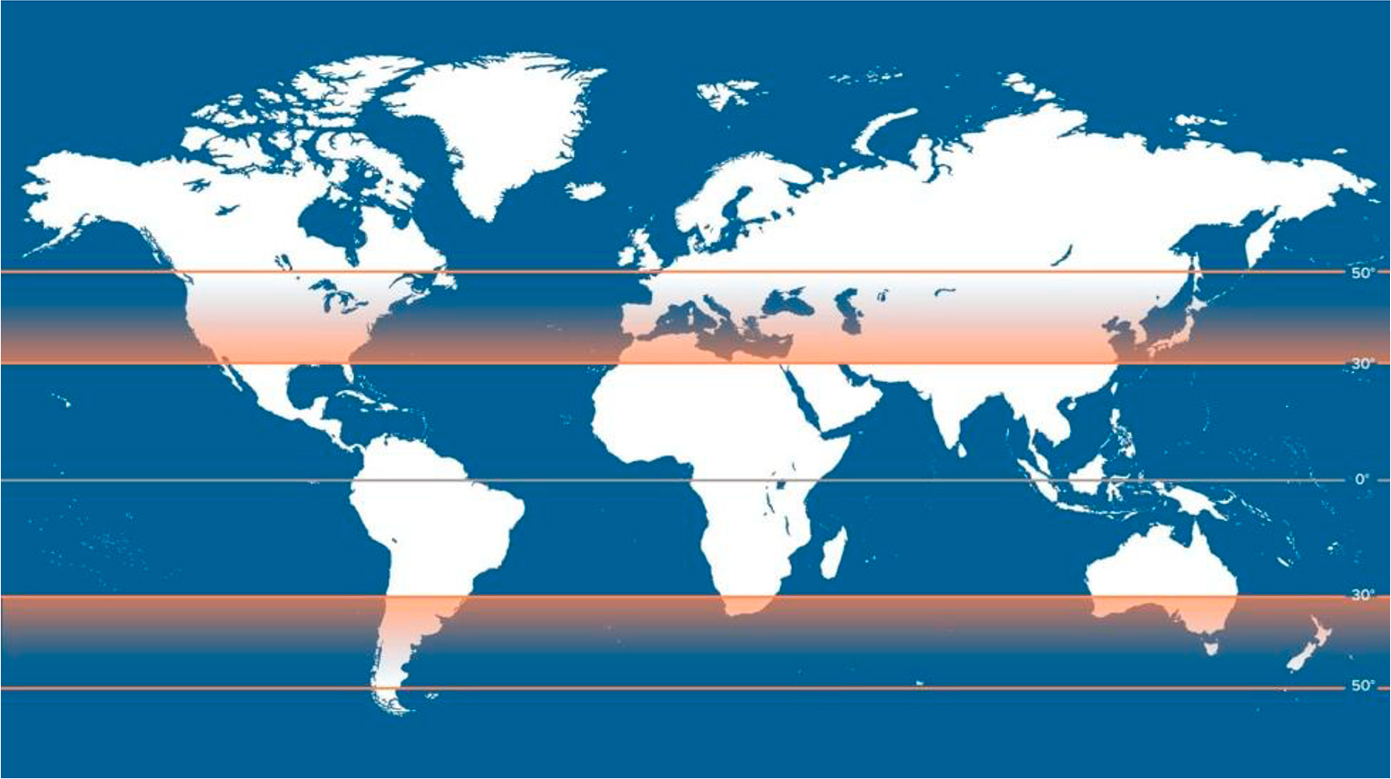
Image: Wine global map by WSET
Region by region, climate change would shift wine production, especially in terms of grape selection. In Europe, the impact of global warming on wine growing regions would be large. The loss of the Gulf Stream would chill Bordeaux and parts of Spain, forcing a replanting toward cooler climate grapes. Even the planting of Pinot noir in Burgundy may wane as the finicky grape begins to lose viability. However, other regions would become warmer. Alsace, for example, has been experiencing a shortening of the growing season and a shift of harvest from October to September in the last three decades.
Rising temperatures inland in Spain could challenge vines to survive. The Chianti region in Tuscany is working to replant varieties that can withstand high temperatures as current ones are starting to regrow too early. Large swathes of Europe’s Mediterranean coast, particularly Italy, Greece and France, could become fully suitable for grape production by 2050, while southern England is becoming increasingly hospitable to sparkling varieties and has already had several notable vintages.
Thirty years ago it was unthinkable to have vineyards in England. Now wine consumers enjoy excellent English sparkling wines from Kent and Sussex. Denmark, Norway and Sweden are also joining the wine map, mainly producing wine from hybrid grape varieties adapted to cooler weather, but the latest good wines come from Vitis Vinifera grapes such as Riesling from Norway, planted in 2008. Belgium, popular for its beer culture, has increased its vineyard area almost 5-fold in the last 20 years.
In California, warming temperatures and a reduction in fresh water in the next half century may deliver an enormous loss of land suitable for premium grape production, especially in Napa and Santa Barbara Counties where land loss could be near 50% of current acreage. Another study suggests that these regions would be lost completely finding only the narrow coastal bands and the Sierra Nevada left suitable for production.
Where grape production is not lost altogether, more heat-tolerant grapes of lesser quality could be planted. In western North American vineyard regions located in cooler climates, such as Oregon, Washington and British Columbia, the lift in temperatures could dictate that same shift to warmer grape varieties, as well. This could prove to be a boon to those regions׳ wine production. Strangely, some forecasts include new regions׳ suitability, including Yellowstone and even the Yukon.
A study by the University of Adelaide predicts significant drought and warming in Australia, concluding that by 2060, South Australia is set to experience a 2°C rise in temperature and a 30% reduction in available fresh water. New Zealand is moving towards heat-loving varieties. South Africa, like New Zealand, is also experiencing changes in climate patterns and will need to replant vineyards with varieties that can cope with increased temperatures. China could see the largest expansion of native vines yet, as new regions open up to vine capacity.
According to Tate (2001), a five-meter rise in sea level would inundate some of the planet׳s greatest vineyards and wine-producing regions with flooding. These could include portions of Bordeaux, Portugal, New Zealand, Australia׳s Swan district, and California׳s Carneros appellation. Added to the coastal flooding, more inland vineyards could face heightening levels of salinity in ground water which could affect vine growth. Earthquake is another threat, triggered by rising sea levels. Wine regions that are at risk for this are Oregon, Washington, British Columbia, Chile, Argentina, and New Zealand.
2.1.5. Regulatory and market-driven environmental requirements for wineries
Transitioning from the direct impacts of environmental challenges on vine health and wine production, it is essential to consider the broader regulatory and market frameworks that govern these practices. This segment delves into the various environmental regulations and market demands shaping sustainable practices within the wine industry. Understanding these requirements is crucial not only for compliance but also for positioning a winery competitively in an increasingly eco-conscious market. Here, we explore how legislation and consumer expectations drive wineries to adopt and innovate sustainable practices, ultimately influencing the entire viticulture landscape.
As part of the agricultural sector, every winery and vineyard must comply with the environmental protection law of their country, which includes approved premises cleaning agents, disposal of waste and sub-products in designated areas and recycling, and other requirements even during the construction of the production premises.
Limiting overproduction for economic, social and environmental purposes. Authorisation scheme for vine planting and vineyard registers The CMO Regulation defines the EU wine-growing regions, where wines can be produced commercially. They can be found in all Member States except Finland and Latvia. The regulation also lays down rules on the vine planting authorisation scheme for commercial wine production. Until 2045, Member States that implement such schemes can, each year, grant authorisations for new plantings corresponding to 1% of the area that was planted in their territory in the previous year. These Member States must also maintain a vineyard register with information on their production potential. The register is also mandatory for Member States running a national support programme for restructuring and conversion of vineyards (see below). Further details on the authorisation scheme and vineyard registers are set out in Commission Delegated Regulation (EU) 2018/273 and Commission Implementing Regulation (EU) 2018/274 (both of which have been updated, with new provisions applicable since December 2022).
Since 2012, wine in the EU can be labelled as organic (previously, only the label ‘made from organic grapes’ was allowed). Oenological practices for organic wines are currently set out in Regulation (EU) 2018/848 on organic production and labelling of organic products. The regulation requires organic wine to be made of organic ingredients, lays down rules for the production of organic grapes, and bans a set of conventional oenological practices that are considered unsuitable for organic wine production (for instance, sorbic acid and desulfurisation are not allowed)
In November 2022, the Commission proposed a new packaging regulation that would introduce re-use targets for wine bottles. Manufacturers and final distributors of wine, with the exception of sparkling wine, would be required to ensure that by 1 January 2030, 5 % of wine on the market comes in reusable packaging that is part of a re-use or refill system. By 1 January 2040, the percentage would increase to at least 15 %. The proposal is currently under discussion in the European Parliament and Council.
2.1.6. Case Study
Emiliana Organic Vineyards
A recent and compelling case study on the impact of climate change on vineyards is that of Emiliana Organic Vineyards in Chile. This company has been experiencing severe climate-related challenges, including extreme weather events such as frost and heat waves, which have significantly affected grape production and wine quality. In 2013, a frost event destroyed 30% of the grapes in one of their vineyards, and they continue to lose an average of 10% of their annual grape production to frost events.
SELF EVALUATION TEST
PRACTICAL EXERCISES
1. List and explain three ways climate change can affect grape production.
2. Research and list three adaptation strategies used by vineyards.
3. Read the case study on Emiliana Organic Vineyards. Answer the following questions:
• How does climate change affect Emiliana’s operations?
• What specific challenges does the vineyard face?
• How does Emiliana adapt to these challenges?
EXTRA RESOURCES (For further reading, in-depth exploration, and reflection)
● The impact of climate change on the global wine industry: Challenges & solutions: https://www.sciencedirect.com/science/article/pii/S2212977414000222#bib36
● Managing grapevines to optimise fruit development in a challenging environment: a climate changeprimer for viticulturists: https://onlinelibrary.wiley.com/doi/10.1111/j.1755-0238.2009.00077.x#b9
● Adapting viticulture to climate change: https://www.vineas.net/medias/da877124-f141-46d9-a75f-abe1eacdb8c7.pdf
● The EU Wine sector Briefing: https://www.europarl.europa.eu/RegData/etudes/BRIE/2023/751399/EPRS_BRI(2023)751399_EN.pdf
REFERENCES
● Managing grapevines to optimise fruit development in a challenging environment: a climate change primer for viticulturists – M.M Keller
● https://www.fossanalytics.com/en/news-articles/wine/keeping-a-cool-head-in-a-warming-climate
● https://www.fossanalytics.com/en/news-articles/wine/keeping-a-cool-head-in-a-warming-climate
● https://www.three-choirs-vineyards.co.uk/is-climate-change-affecting-vineyards
● https://www.pnas.org/doi/10.1073/pnas.1210127110
● https://www.sciencedirect.com/science/article/pii/S2212977414000222
● https://www.meiningers-international.com/wine/hailstones-are-getting-bigger
● https://ives-technicalreviews.eu/article/view/7514https://climate.axa/publications/will-spring-frost-become-the-new-norm-in-france/
● https://silvabalcanica.pensoft.net/articles.php?id=132176
Learning Unit 2.2 - Sustainable farming techniques
2.2.1 Introduction
In Learning Unit 2.1, we explored viticulture’s significant environmental challenges, including climate change impacts, resource depletion, and ecological pressures. These challenges underline the need for innovative, sustainable farming practices that help mitigate environmental stress while ensuring vineyard productivity. Learning Unit 2.2 will explore practical and sustainable agricultural techniques, providing insights into methods such as crop rotation, integrated pest management, and organic farming. Implementing sustainable practices allows vineyard managers to actively tackle environmental challenges, improve vineyard resilience, and ensure the long-term health of their land and crops.
Principles of sustainable viticulture and the benefits of sustainable practices
Sustainable viticulture commonly can be described as ecological agriculture. Instead of thinking only about the economic value of the crops, it also focuses on the efficient use of non-renewable resources, on growing better food products and on improving the lives of the vine growers themselves.
One of the less known aspects of sustainable viticulture is the fact that it allows farmers to transform their vineyards into giant recycling centers. Plants and animals waste turn into fertilizer, inter-row crop rotation enriches the soil, and rainwater diversion improves irrigation systems. Than not only saves money but also natural resources.
More than that, sustainable agriculture reduces the need for chemicals and pesticides and is a step forward in the transition to organic farming practices.
2.2.2 Techniques for water management and soil conservation in vineyards
Vine is a drought-resistant crop. Thanks to the deeply located root system and a number of features for adaptation, it can be spread on poor and dry soils, obtaining satisfactory harvest without watering. But this does not mean that we can grow it anywhere and not caring to improve watering and food regime. Overestimating its drought resistance, we often plant it on hills, on shallow soils or arid regions.
How can we determine timing of watering? Plants’ appearance will help us. Of course, this is not an exact guide. But in the absence of an opportunity to determine soil moisture, it will be useful to us. If in the beginning of the growing season the tops of the shoots stand up, and the top leaves are not so strongly curled, it means that the vine has a great need for water. Later on the change in the color of the leaves can serve as a signal for watering. They become darker than normal, the edges of those at the bottom turn yellow and burn.
The depth on which the soil should be moistened by vegetation watering systems, is about 1 m. The main mass of roots is concentrated in this layer, vine obtains almost all its water on that depth. Vines can be watered via the surface, subsoil, by drip irrigation or using the rain. When it comes to water vineyards usually suffer from two main problems: ineffective irrigation systems and resources waste. The best way to successfully manage water is to use native vines with suitable rootstock, adapted to the different weather changes.
Next step is to create efficient watering systems to avoid negative consequences for the soil and wildlife. An option is to direct the rainwater to the irrigation system. Some farmers even build small sewage treatment plants to use the waste water.
2.2.3 Crop rotation in the inter-row of the vineyards
Crop rotation is probably the oldest and simpliest method of soil protection. While the process may seem chaotic, it actually follows a strict logical order so that the crops growing today provide nutrients for the future crops. In most cases, the idea is not that complicated. Alternate planting of cereals after legumes, trench crops after cereals, to maintain soil fertility and limit erosion. According to experts, one of the most significant advantages of crop rotation is that it prevents the spread of diseases, such as bacterial infections and decay. It is also easy to solve the problem of some pests, such as scab on the vine.
Good old weeding!
This method may not be practical for large farms, but you can safely take care of smaller plantations avoiding the help of chemicals. Hand weeding is very labour intensive, it is usually used where the crops are very gentle or there is no access to agricultural machinery. Mowing and grazing are especially effective before plants produce seeds.
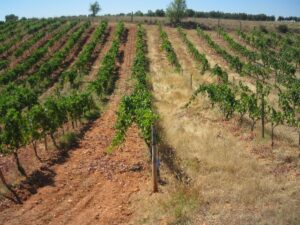
Image Source: wocat.net. Traditional tillage on the left and B. distachyon on the right in a sloping vineyard (María José Marqués (Universidad Autónoma de Madrid))
Comparison of bare tilled (left) vs. cover-cropped (right) vine rows in a Spanish organic vineyard, illustrating how groundcover protects soil. In the Madrid region of Spain, an organic small-scale vineyard replaced conventional bare-soil tillage with cover cropping between the vine rows. Traditionally, the grower tilled the vineyard (without herbicides) in winter and 2–3 times in spring to control weeds, which left the soil exposed.
After converting to organic methods, the vineyard began rotating cover crops like rye grass (Secale cereale) and purple false brome (Brachypodium distachyon) in alternate rows to serve as green manure and living mulch. Sown in autumn, these cover crops grow during the wet winter season and are mowed or self-reseed annually. This practice functions similarly to crop rotation by alternating different plant species in the vineyard ecosystem each year, boosting biodiversity and soil fertility.
The results have been markedly sustainable and practical. The dense cover crop carpet protects the vineyard’s sloping soils from erosion and heavy rain impact, while improving soil structure and organic matter. Come summer, the dried cover crop residue suppresses competing weeds and conserves moisture, reducing the need for repeated tillage. The improved soil organic carbon (increased from ~1.27% to 1.6% over three years) and stability under the cover-cropped rows demonstrate the long-term benefits. By treating cover crops as a rotational “off-season” crop, this Spanish vineyard controls weeds naturally and enhances soil life, an approach that can also positively influence grape quality and vineyard resilience.
Crop rotation is an effective and sustainable vineyard practice aimed at enhancing soil fertility, improving soil structure, and managing pests and diseases naturally. By alternating crops or employing cover crops with varying nutrient requirements and root structures, vineyards can optimise nutrient availability, protect soil from erosion, and reduce pest prevalence without chemical interventions. Particularly in organic and biodynamic vineyards, leguminous crops that fix nitrogen are often rotated with grasses and other beneficial cover plants to maintain balanced soil nutrition and health. The inclusion of cover crops can also contribute significantly to biodiversity, creating habitats for beneficial insects and organisms that further sustain vineyard ecosystems.
Weeding techniques in sustainable vineyards often avoid chemical herbicides, instead favouring mechanical, manual, or biological methods. Practices such as mechanical cultivation, mowing, grazing with livestock, or manual weeding help manage weeds without harming the soil’s biological activity or structure. For example, small-scale organic and biodynamic vineyards across Europe regularly utilise grazing animals like sheep or chickens to control vegetation growth naturally, reducing machinery use and simultaneously fertilising the soil. Integrating these practices creates a resilient agricultural environment that supports long-term productivity and ecological balance in the vineyard.
2.2.4 Use of organic and biodynamic practices in grape growing
Implementing sustainable agriculture practices in vineyards not only protects the environment but also enhances vine health and productivity.
Planting of resistant plant varieties
In order to protect their vines from pests and diseases and to reduce the use of chemicals, farmers plant resistant varieties. Varietal diversity, as a combination of native, introduced and newly selected varieties, is important for reducing the use of pesticides and chemicals. When it comes time to attack the enemy, the recommended technique is the targeted spraying. This means treating only the affected areas, and using the right product to avoid harming beneficial insects and wildlife.
Attracting useful animals
One of the most successful ways to get rid of pests is by using the help of their natural enemies. Two most famous examples are birds and bats. Both will stay around you if there is place to nest, so it wouldn’t hurt to take care of their needs.
The next step is to use the support of the beneficial insects as well. Ladybugs, beetles, and caterpillars feed on pests, including aphids and mites.
Green Fertilization
The process of turning the soil along with the green mass growing on it, is known as green manuring. The influence of green fertilization is similar to manure – it enriches the soil with valuable trace elements and nitrogen. Green manuring has a great future, if manure is not enough for the entire cultivated area.
Moreover, if the sown plant is a leguminous plant and accumulates tubercles of bacteria on its roots, green fertilization is even more valuable.
Fertilization with organic fertilizer
A vine is a perennial plant that is grown in the same place for many years. Each year, with the grape harvest, large amounts of nutrients are removed from the soil with them stems and leaves. Mostly used from the organic fertilizers are manure, poultry manure and compost. Their nutrients are absorbed by the vines gradually, which is why it is necessary to fertilize every 2-3 years. For the normal development of the vines and obtaining high-quality grapes, fertilization with nitrogen, phosphorus and potassium is of the greatest importance.
2.2.5 Integrated pest management (IPM) approaches
Directive 91/414 of the EU, which regulates the implementation of plant protection products, requires that the rules of Good Plant Protection Practice and the principles of Integrated Plant Protection (IPM – Integrated Pest Management) are applied when using them. According to this directive, IPM is a rational application of a combination from biological, biotechnological, chemical, physical, agrotechnical and selection measures, by which the use of chemical pesticides is limited to the minimum necessary to maintain the population of the pest below the threshold of economic harm. It is a combination of rational measures to achieve acceptable effectiveness in the fight against pests and includes their long-term prevention. The main goal is to limit the use of chemical (PP) to a certain minimum.
Integrated pest management ensures high quality agricultural production in a sustainable, environmentally safe, economic and scientifical manner
IPM is an acronym for Integrated Pest Management, a philosophy and approach that includes biological, chemical and organizational control strategies. IPM is the intelligent use of pest control actions that will lead to beneficial economic, environmental, and sociological results. It is applicable to agricultural pest management, environmental protection and public health. Pests on vegetable plants often occur as a result of complex interactions between a lot of circumstances, such as host, growing area, nutrition, production practices, outbreaks, environment, and others. To have successful control, must be applied interdisciplinary approach, which depends on the problem.
In connection with the development of IPM, the concept of Economic Injury Level (EIL). This is such an amount of a certain type of enemy, disease-causing agent or weed on a leaf, fruit, plant, m2, etc., where the damage from it, expressed in value, is more than double the costs necessary to carry out chemical control.
Basic principles of integrated protection:
Bioecocenological approach
IPM regulates pest populations by exploiting the antagonistic relationships between harmful and beneficial organisms. It does not aim at the complete eradication of pests, but at maintaining the biological balance in ecosystems. With IPM, the emphasis is on control, not eradication of the pest. Complete eradication of the pest is considered impossible and such an attempt can be dangerous to the environment. In these programs, first step is to establish their acceptable levels, called ET. The pest density at which management action should be taken to prevent an increasing pest population from reaching the economic injury level. These thresholds include, in addition to the pest, the specific location to which they apply. This is because they may be acceptable for a certain region and unacceptable for another. When the pest population survives to a reasonable size, selection pressure is eliminated. This reduces the risk of pests developing resistance to crop protection chemicals. Repeated treatment with products containing the same active substance provokes genetic changes in populations and the emergence of new resistant ones.
Economic approach
In integrated pest management, man intervenes when pest numbers are above the EIL. Rapid and easily implementable methods have been developed to determine the population density of pests and beneficial species specifically for each agrocenosis. The obtained results are analysed and the most appropriate time for treatment is determined.
In the patho-system or pest/culture combination, it is important to assess the damage and thresholds of action. The action threshold is the maximum level of disease or pest development below which losses are not economically significant. When it is reached, action should be taken to prevent epiphytotic or calamitous multiplication. This threshold is an important tool in integrated control and can vary depending on the efficacy of control alternatives and their duration of action.
Correct selection of chemical agent
IPM uses selective pesticides that are toxic to pests and non-toxic or slightly toxic to beneficial species. Selectivity can be: Physiological – determined by the active structure of the PPP and its mechanism of action; Ecological – determined by the biology and ecology of the pest and beneficial species; Technological – determined by the methods and approaches of treatment (topical treatment, application with drip irrigation systems, fertigation, seed treatment, use of granular PPPs, pesticide mixtures, reduced doses in combination with microbial preparations).
When making decisions about IPM, the information is also very important. Seeking such can help at all stages of decision making. It can reveal facts about the situation that will lead to a redefinition of the problem. Provide an overview of the various alternatives and the outcomes by which they can be evaluated. The search for information can reveal how the chosen alternative should be implemented.
2.2.6 Case Studies
Avignonesi Winery
A notable example of biodynamic viticulture is Avignonesi, a vineyard estate in Tuscany (Italy), which has implemented a holistic, regenerative farming system. After converting from conventional methods (which had relied on “a devastating regime of herbicides” in the past) to organic/biodynamic, Avignonesi introduced cover crop rotations and livestock integration on a large scale.
Each vineyard block is cover-cropped with a tailored mix of plants: for instance, rows are seeded with leguminous cover crops (like beans, clover, or vetch) to fix nitrogen, alongside deep-rooted grasses or grains to improve soil structure. These mixes are rotated and adjusted through “precision viticulture” mapping of soils and microclimates, ensuring that over the years different cover crop species cycle through the vineyards. This approach fulfills the role of crop rotation by diversifying the plant life in and around the vines, which improves nutrient cycling and soil vitality. The estate also applies biodynamic compost preparations to further enrich the soil, aiming for self-sufficiency in fertility.
In place of herbicides or frequent mowing, Avignonesi and similar biodynamic vineyards use grazing animals for weeding and soil enrichment. A flock of sheep is seasonally released into the vine rows to nibble down grasses and weeds, “mowing” the cover crop and fertilizing the soil with manure as they go. Along with sheep, Avignonesi keeps free-roaming chickens and geese (and plans for cows) as part of their vineyard polyculture, creating a mini farm ecosystem. These animals not only keep the vineyard floor vegetation in check during vine dormancy, but also contribute to pest control (chickens eat insects) and add natural fertilizer. By integrating animals, the vineyard drastically reduces tractor passes and fuel use, since the “woolly mowers” do much of the work. The overall weed management strategy is a blend of nature and manual intervention: grazing handles much of the groundcover growth, while any remaining weeds around vine trunks might be removed with small plows or by hand. This regenerative technique has turned the vineyard into a resilient agroecosystem – soil structure and moisture have improved, and the vineyard has an observable increase in earthworms, pollinators (aided by on-site bee hives), and other indicators of ecological health. Such real-world biodynamic practices demonstrate how crop rotation (via diverse cover crops) and natural weeding (via grazing and mechanical means) can sustain a vineyard’s productivity while greatly enhancing its environmental sustainability.
Benziger Family Winery, nestled in Sonoma County, California, exemplifies a commitment to sustainable viticulture through its adoption of Biodynamic farming practices. Since transitioning to Biodynamics in the mid-1990s, the winery has viewed its estate as a single living organism, fostering biodiversity and ecological balance. This holistic approach eliminates synthetic chemicals, relying instead on composting, natural predator-prey relationships, and cover crops to maintain vineyard health. The integration of animals, such as sheep and Scottish Highlander cattle, plays a vital role in this system. Sheep assist in removing overgrown cover crops, aerating the soil, and providing nutrient-rich fertilizer, while cattle contribute organic manure and enhance the vineyard’s serene environment. Additionally, the estate’s insectary—a= vibrant garden of over 250 unique flowers and plants—attracts beneficial insects and animals, supporting natural pest control and contributing to the overall health of the vines. Through these eco-responsible methods, Benziger produces distinctive, authentic wines that reflect the unique terroir of their Sonoma Mountain Estate.
Lenz Moser Winery, established in 1849 and located in Rohrendorf near Krems, Austria, has been a pioneer in sustainable viticulture, integrating innovative farming techniques to promote environmental stewardship. A notable contribution is the development of the “Lenz Moser high culture” vine-training system by Prof. Dr. h.c. Lenz Moser III, which enhances light exposure and air circulation for the vines while facilitating mechanization and efficient cultivation. Since 1997, the winery has managed its 74 hectares of vineyards according to eco-sensitive guidelines, prioritizing quality over quantity, utilizing organic fertilizers, and maintaining living soils. This approach underscores their commitment to sustainable practices, ensuring the production of high-quality Austrian wines while preserving the ecological balance of their vineyards.
SELF EVALUATION TEST
PRACTICAL EXERCISES
- Select an organic or biodynamic vineyard of your choice (from the case studies or online research).Identify and list at least five specific sustainable farming techniques used by the vineyard. Explainbriefly how each method positively impacts the vineyard’s ecosystem and wine production.
- Create a hypothetical cover crop rotation plan suitable for a small-scale organic vineyard (5 hectares)over a three-year cycle. Include at least three different crops/plants and justify your choices basedon their benefits to soil fertility, pest management, and biodiversity.
- Watch the virtual vineyard tour provided by the U.S. Sustainable Winegrowing Summit, available on YouTube. As you watch, carefully note at least three sustainable practices aimed specifically atsupporting biodiversity within the vineyards (such as cover crops, insectary gardens, animalintegration, or water conservation methods). Write a brief reflection (around 200 words)summarising the biodiversity practices you observed. Explain their ecological significance, and reflecton how these practices may positively influence grapevine health, soil quality, and overall vineyardsustainability. Additionally, suggest one or two improvements or variations that could be adapted todifferent climate or vineyard conditions.
EXTRA RESOURCES (For further reading, in-depth exploration, and reflection)
Principles of Sustainable viticulture and the benefits of sustainable practices:
● https://www.oiv.int/node/3207 – OIV General principles of sustainable vitiviniculture-Environmental- Social- Economic and Cultural aspects
● https://link.springer.com/chapter/10.1007/978-3-319-18857-7_16 – Wine Tourism Moving Towards Sustainable Viticulture? Challenges, Opportunities and Tools to Internalize Sustainable Principles in the Wine Sector
● https://www.tandfonline.com/doi/pdf/10.2147/IJWR.S68003 – Sustainable winegrowing: current perspectives Angela Mariani & Antonella Vastola
● https://agriculture.ec.europa.eu/farming/organic-farming/organics-glance
● https://agriculture.ec.europa.eu/sustainability/environmental-sustainability/sustainable-agricultural-practices-and-methods_en
● https://agriculture.ec.europa.eu/sustainability/environmental-sustainability
● https://www-vineyardteam-org.translate.goog/podcast/
Techniques for water management and soil conservation in vineyards:
● https://www.sciencedirect.com/science/article/pii/S0167198706001358
● https://www.sciencedirect.com/science/article/pii/S0167198709001019
● https://stswatertreatment.com/winery-water-footprint/
● https://www.youtube.com/watch?v=Wrck3BZLMnc
● https://sipyours.com/blogs/non-alcoholic-wine-beer-and-cocktails/12-innovative-water-conservation-techniques-in-non-alcoholic-wine-production
● https://www.regenerativeviticulture.org/toolkit/water-use/
● https://www.sciencedirect.com/science/article/pii/S1161030108000464
Crop rotation in the inter-row of the vineyards:
● https://www.youtube.com/watch?v=AyWmZQD3Ci8 – Crop Rotation for Weed Suppression – Organic Weed Control
● https://www.organic-crop-production.com/organic_crop_production/crop_rotation_organic_farms/management_weeds_crop_rotation.htm
● https://www.dpi.nsw.gov.au/__data/assets/pdf_file/0006/1158315/Alternative-weed-control-measures-for-vineyards.pdf
Use of organic and biodynamic practices in grape growing:
● https://www.youtube.com/watch?v=EWLFLdhhNks – An Introduction to Biodynamic Viticulture
● https://www.youtube.com/watch?v=nm4L83J64XQ – What is BIODYNAMIC WINE – Understanding the Biodynamic Vineyard and Winemaking practices
● https://agriculture.ec.europa.eu/farming/organic-farming/organics-glance_
● https://oeno-one.eu/article/view/2470 – Conversion to organic and biodynamic viticultural practices: impact on soil, grapevine development and grape quality
REFERENCES
● Atanasov N., M. Vitanov, E. Loginova, E. Ilieva, 2005. Integrated protection of greenhouse crops from diseases and pests. Sofia–Publishing House Videnov&son and PantaNeo, 159.
● Bahariev D., B. Velev, S. Stefanov, E. Loginova, 1992. Diseases, weeds and pests of vegetable crops. Zemizdat – Sofia, 339.
● Bogatsevska N., Y. Stancheva, Hr. Boteva, St. Masheva, E. Loginova, V. Harizanova, X. Samaliev, D. Hristova, D. Karadzhova, V. Nikolova, V. Aleksandrov, T.Toshkova, D. Grozdanova, 2008. Guide to integrated management of pests in vegetable crops. National Institute of Plant Protection. Ministry of Agriculture and Forestry. Sofia. 238.
● Karov S., R. Andreev, 2000. Plant protection of a courtyard biological and integrated garden. Bio-organic gardening №2, 151.
● Stefanova G., 2012. Essence and importance of Plant Protection in the contemporary conditions of development of the European Union and Bulgaria. http://nauka.bg.6. ARfD – Acute Reference Dose is the amount of a chemical that can be consumed in a single meal without causing harm. In the UK, it is usually set 100 times lower than the acute No Observed Effect Level (NOEL) established from laboratory tests.
● Ekman, J. 2007. Risky business – managing on-farm assurance. Proc. Moraitis Hydroponics 2007 Australian Hydroponic and Greenhouse Industry National Conference, pp.101 – 103.
● Gillespie, D. 2002. Biological and integrated control in vegetables in British Columbia: The challenge of success. Bull. IOBC/WPRS 25(1): 73 – 76.
● GLOBALGAP (formerly known as EUREPGAP formed in 1997), announced in September 2007, is the key reference for GAP in the global market place. It is a pre-farm gate standard that translates consumer requirements into agricultural production practices.
● Good Agricultural Practices are “practices that address environmental, economic and social sustainability for on-farm processes, and result in safe and quality food and nonfood agricultural products” (FAO COAG 2003 GAP paper). The scope of these four pillars varies widely.
● Jørgensen L.N. & Kudsk P. (2006) Twenty years’ experience with reduced agrochemical inputs: effects on farm economics, water quality, biodiversity and environment. Proceedings of the HGCA conference – Arable crop protection in the balance: Profit and the environment. 25-26 January 2006. 16.1-16.10.
● MRL – Maximum Residue Limit is the maximum concentration of pesticide residue legally permitted in or on food commodities. MRLs are established for specific pesticide/crop combinations.
● Practical Hydroponics & Greenhouses, Issue 45, 1999: Greenhouse IPM – Around the World, pp. 58-63.
● Pretty J. (2005) Sustainability in agriculture: recent progress and emergent challenges. Issues in Environmental Science and Technology, 21, 1-15
Learning Unit 2.3 - Resource management strategies
2.3.1 Overview of natural resources critical to viticulture (water, soil, biodiversity)
Viticulture and winemaking are deeply intertwined with the natural environment. The success of a vineyard and the quality of its wines depend heavily on the management and sustainable use of natural resources. Among these, water, soil, and biodiversity stand out as pivotal elements. Let’s explore the role of the critical natural resources in viticulture and wine making in depth, focusing on their importance, management, and impact on viticulture and wine production.
Viticulture, the cultivation of grapevines, relies on several critical natural resources to ensure healthy vine growth and high-quality grape production. The key resources are:
Efficient water use is crucial, especially in regions facing water scarcity. Irrigation management and water conservation techniques are employed to reduce water consumption and protect water quality.
Healthy, well-drained soil is essential for vine growth. Nutrient levels in the soil must be balanced to support vine health without promoting excessive vegetative growth. Sustainable practices like reduced tillage and organic practices help maintain soil health.
Enhancing biodiversity within and around vineyards supports ecosystem health and could also provide efficient pest control. Practices such as planting cover crops and maintaining hedgerows help promote a diverse range of plant and animal species.
The climate of a region, including temperature, sunlight, and rainfall, significantly affects grapevine growth and grape quality. Microclimates within vineyards can also play a crucial role. Extreme climate events such as late frosts, excessive precipitation and prolonged droughts can have major impacts on viticulture.
Clean air is important to prevent diseases and pests that can affect grapevines. Reducing the use of synthetic fertilizers and chemicals through integrated soil and pest management, as well as encouraging organic farming helps maintain air quality through the reduction of ammonia emissions, in particular.
Water
Water is one of the most critical resources in viticulture and wine production. Its availability and management significantly influence grapevine health, yield, and the overall quality of the grapes. In wine production, water is also essential for various operational processes. Here are the key aspects of water use:
Water in Viticulture
1. Irrigation
– Supporting Vine Growth: Grapevines need water for photosynthesis, nutrient transport, and maintaining cell pressure (turgor). While grapevines are drought-tolerant, strategic irrigation is essential in regions with low rainfall. However, irrigating vineyards, even in areas with sufficient rainfall, is rather the norm than the exception.
– Deficit Irrigation: Many vineyards practice regulated deficit irrigation to control water stress. This technique involves providing just enough water to sustain the vines, encouraging deep root growth and concentrating grape flavors.
Irrigation Methods:
- Drip Irrigation: A precise and water-efficient method that delivers water directly to the root zone – on the surface or underground. Some vineyards employ underground drip irrigation to deliver water directly to the roots rather than delivering water to the soil surface. Underground drip irrigation encourages roots to grow in depth rather that horizontally to reach water that is delivered on the soil surface.
- Overhead Sprinklers: Used for cooling vines in hot climates.
- Flood and Furrow Irrigation: Traditional methods used in some regions but less efficient as they do not deliver water with precision.
2. Temperature Regulation
- In hot climates, water is sprayed onto vines to cool them and reduce heat stress. This practice is particularly important during heatwaves to prevent damage to the grape clusters.
3. Disease Management
- Proper irrigation timing and techniques can reduce humidity around the vines, minimizing the risk of fungal diseases such as powdery mildew and botrytis.
4. Nutrient Transport
- Water helps transport nutrients from the soil to the grapevines, supporting their growth and development. Water is critical during the early stages of vine establishment and throughout the growing season, especially in arid regions or during droughts.
- Water helps maintain soil moisture and structure, enabling nutrients to be accessible to the vine roots.
Water in Winemaking
1. Cleaning and Sanitization
- Water is indispensable for cleaning equipment – tanks, barrels, hoses, sorting and bottling lines. In addition, water is used to clean and sanitize surfaces and facilities in the winery to maintain hygiene and prevent contamination. Maintaining hygiene is critical to prevent contamination and ensure wine quality.
2. Temperature Control
- Water is used in fermentation tanks’ cooling systems to regulate the temperature during fermentation and storage, ensuring optimal temperatures for fermentation, post-fermentation procedures and storage.
3. Wastewater Management
- The winemaking process generates significant amounts of wastewater, mainly from cleaning and sanitization. Effective treatment and recycling systems are essential to minimize environmental impact.
Water in the Wine Industry and Climate Change
The interactions between water use in viticulture and winemaking and climate change are complex and multifaceted, involving changes in water availability, irrigation demands, grape quality, and sustainability practices.
Interactions Between Water Use and Climate Change
1. Increased Water Demand Due to Higher Temperatures
- Warmer temperatures accelerate evapotranspiration in vineyards, increasing the water demand for irrigation to maintain vine health and yield.Heat stress can affect grape ripening, requiring more precise water management to balance vine growth and fruit quality.
2. Changing Rainfall Patterns
- Climate change alters rainfall distribution, leading to more frequent droughts or unpredictable rain events. This can reduce water availability in key wine-producing regions.
- Reduced rainfall during the growing season increases reliance on irrigation systems, intensifying competition for water resources.
- Excessive rain during the harvesting season can have detrimental effects on the entire harvest and/or might result in vintages with sub-optimal parameters.
3. Water Quality Challenges
- Higher temperatures can reduce water quality in reservoirs and aquifers, complicating its use in irrigation and winemaking processes.
- Salinity in groundwater sources may increase, potentially harming vines and requiring advanced water treatment.
4. Pressure on Sustainable Practices
- Water scarcity and the need for sustainable resource management have led to the adoption of water-saving technologies, such as drip irrigation, deficit irrigation strategies, and the reuse of treated wastewater.
5. Impact on Grape and Wine Quality
- Water stress caused by limited availability can affect grape composition, altering sugar levels, acidity, and phenolic compounds. These changes influence wine flavor, structure, and aging potential
- Excess water, on the other hand, can dilute grape quality and hinder the desired flavor profile.
Implications of Climate Change on Water Use in the Wine Industry
1. Increased Irrigation Costs
- Greater reliance on irrigation leads to higher operational costs, particularly in regions where water is scarce or must be transported.
- Technologies such as soil moisture sensors, precision agriculture, and rainwater harvesting systems will become essential to optimize water use and reduce waste.
2. Shift in Suitable Growing Regions
- Traditional wine regions may face challenges in maintaining water availability, prompting shifts to cooler regions or higher altitudes where water demand may differ.
3. Regulatory and Social Pressures
- Stricter water use regulations and public scrutiny over water-intensive practices will push the industry to adopt sustainable methods. Some regions might experience water rationing due to climate change pressures on water resources.
4. Changes in Vineyard Management Practices
- Practices like mulching, cover cropping, and canopy management can reduce water loss and increase soil moisture retention.
5. Risk to Small Producers
- Smaller wineries with limited access to water resources or financial capacity to invest in technology may struggle to adapt, potentially leading to market consolidation.
- Excess water, on the other hand, can dilute grape quality and hinder the desired flavor profile.
6. Impact on Global Wine Supply
- Changes in water availability and grape-growing conditions can disrupt global supply chains, affecting both the volume and variety of wines produced.
Soil
Soil is the foundation of any vineyard, influencing vine health, grape quality, and the unique characteristics of wine. Soil is a key component of the concept of “terroir.” The physical, chemical, and biological properties of soil all play critical roles in viticulture.
Key Soil Properties in Viticulture
1. Soil Composition
- Texture: Soil texture determines drainage and aeration. Soils with good drainage are often ideal.
- Structure: Well-structured soils allow roots to penetrate deeply, accessing water and nutrients.
2. Fertility
- Grape vines require balanced nutrient levels. Excessive fertility can lead to vigorous vegetative growth at the expense of fruit quality.
- Key nutrients include nitrogen, phosphorus, potassium, calcium, and magnesium.
3. pH Levels
- Ideal soil pH for viticulture ranges between 5.5 and 7.0. Extreme pH levels can affect nutrient availability and vine health.
4. Drainage
- Proper drainage is essential to prevent waterlogging, which can lead to root rot and reduced oxygen availability.
Impact of Soil on Wine Quality
1. Minerality
- Some soils contribute distinct mineral characteristics to wine, enhancing its complexity
2. Water Retention
- Soils with moderate water retention support vines during dry periods without over-saturating them.
3. Heat Retention
- Rocky soils can retain heat, aiding grape ripening in cooler climates.
Soil Management Practices
1. Cover Crops
- Planting cover crops between vine rows improves soil structure, prevents erosion, and enhances biodiversity.
2. Composting
- Adding organic matter improves soil fertility and microbial activity and reduces the need for using synthetic fertilizers and pest control products.
3. Erosion Control
- Techniques such as terracing and planting vegetation reduce soil erosion on slopes.
4. Testing and Monitoring
- Regular soil testing ensures optimal nutrient and pH levels.
Interactions Between Soil Management and Climate Change
1. Soil Carbon Sequestration and Greenhouse Gas Emissions
- Sustainable soil management, such as the use of cover crops and organic soil quality enhancing products, can enhance carbon sequestration in vineyard soils, mitigating climate change.
- Poor practices, like over-tillage or the excessive use of chemical fertilizers, can release stored carbon and contribute to greenhouse gas emissions, in addition to air pollutants such as ammonia.
2. Water Retention and Drought Resilience
- Healthy soils with good organic matter content and structure can retain water more effectively, buffering vines against drought stress caused by higher temperatures and irregular rainfall.
- Compacted or degraded soils exacerbate water stress and reduce vine resilience to climate extremes.
3. Soil Erosion and Degradation
- Changes in rainfall intensity due to climate change can increase soil erosion in sloped vineyards, leading to loss of topsoil and nutrients. Soil erosion could also lead to landslides.
- Sustainable practices such as contour plowing, mulching, and planting vegetation cover can minimize erosion risks.
4. Soil Temperature and Microbial Activity
- Rising air temperatures lead to increased soil temperatures, which can alter microbial activity and nutrient cycling.
- Higher temperatures may accelerate the decomposition of organic matter, reducing long-term soil fertility.
5. Acidity and Salinity
- Climate change can influence soil pH and salinity, especially in regions relying on irrigation with low-quality or saline water.
- Soil management practices, such as gypsum application or organic matter incorporation, can help mitigate salinity impacts.
Implications of Climate Change on Soil in Viticulture
1. Increased Soil Degradation
- Intense rainfall events can lead to accelerated soil erosion, especially in poorly managed vineyards on steep slopes.
- Wind erosion may also increase in arid regions where vegetation cover is sparse.
2. Reduced Soil Fertility
- Nutrient leaching caused by heavy rains and the accelerated breakdown of organic matter due to higher temperatures can reduce soil fertility.
- This may necessitate greater reliance on fertilizers, increased production costs and environmental impacts.
3. Changes in Soil Moisture Dynamics
- Prolonged droughts and erratic rainfall patterns can alter soil moisture availability, affecting vine water uptake and grape quality.
- Poorly managed soils with low water-holding capacity are more vulnerable to these changes.
4. Pest and Disease Pressure
- Warmer and wetter soils may create favorable conditions for soil-borne pests and diseases, such as nematodes or fungi, requiring more intensive management strategies.
5. Salinization Risks
- In regions where irrigation is necessary due to drought, the overuse of groundwater or poor-quality water can lead to soil salinization, reducing productivity.
6. Vulnerability of Marginal Soils
- Vineyards planted on marginal soils with poor structure or low organic content will face greater challenges in adapting to climate change.
Biodiversity
Biodiversity refers to the variety of life in and around the vineyard ecosystem. A biodiverse environment supports sustainable viticulture by enhancing resilience to pests and diseases, improving soil health, and promoting a balanced ecosystem.
Role of Biodiversity in Viticulture
1. Pest and Disease Control
- Predatory insects, birds, and other organisms help control pests naturally, reducing the need for chemical pesticides.
2. Soil Health
- A diverse soil microbiome improves nutrient cycling and organic matter decomposition.
- Insects and worms help aerate soils.
3. Pollination
- While grapevines are self-pollinating, surrounding plants benefit from pollinators, fostering a balanced ecosystem.
4. Climate Resilience
- Diverse plant species can buffer against extreme weather events, such as droughts or floods.
Biodiversity Practices
1. Planting Native Vegetation
- Encourages local wildlife and enhances habitat diversity. Native vegetation is generally more resilient to the characteristics of the specific area.
2. Cover Crops and Wildflowers
- Provide habitats for beneficial insects and improve soil structure.
3. Hedgerows and Buffer Zones
- Create corridors for wildlife and reduce pesticide drift.
4. Reduced Tillage
- Minimizing soil disturbance preserves soil structure and microbial diversity.
Interactions Between Biodiversity in Viticulture and Climate Change
The interactions between water use in viticulture and winemaking and climate change are complex and multifaceted, involving changes in water availability, irrigation demands, grape quality, and sustainability practices.
1. Role of Biodiversity in Climate Resilience
- Functional Biodiversity: A diverse vineyard ecosystem, including cover crops, beneficial insects, and native vegetation, enhances resilience to climate extremes like heatwaves, drought, and heavy rainfall.
- Carbon Sequestration: Diverse ecosystems, particularly with permanent vegetation, contribute to carbon sequestration, mitigating climate change impacts.
2. Climate Change’s Impact on Vineyard Biodiversity
- Altered temperature and precipitation patterns shift the composition of species within vineyards, affecting beneficial and harmful organisms alike.
- Rising temperatures can disrupt the phenology (timing of biological events) of vineyard flora and fauna, leading to mismatches in ecosystem services such as pollination and pest control.
3. Pest and Disease Dynamics
- Climate change can expand the range of pests and diseases, altering biodiversity in vineyards. For instance, higher temperatures and humidity may favor certain fungal diseases or insect pests.
- Biodiverse systems with natural predators can help mitigate these threats.
4. Soil Microbial Diversity
- Soil biodiversity, including microorganisms, is critical for nutrient cycling, soil structure, and vine health. Climate change can alter microbial communities through changes in soil temperature, moisture, and organic matter availability.
5. Ecosystem Service Loss
- Biodiversity underpins ecosystem services like water regulation, pollination, and pest suppression. Declining biodiversity due to climate change reduces the vineyard’s ecological stability and productivity.
Implications of Climate Change on Biodiversity in Viticulture
1. Loss of Native Species
- Extreme weather events, habitat fragmentation, and changing conditions may threaten native plants and animals in and around vineyards.
- This loss can destabilize vineyard ecosystems, reducing resilience to pests, diseases, and environmental stress.
2. Shifts in Pest and Pollinator Populations
- Climate change can increase the prevalence of pests while disrupting beneficial insect populations like pollinators and predators.
- This can result in greater reliance on chemical pest control, further harming biodiversity.
3. Reduction in Soil Health
- Soil microbial diversity may decline with prolonged droughts, higher temperatures, and changes in organic matter availability, leading to reduced soil fertility and productivity.
4. Loss of Ecosystem Services
- Declining biodiversity undermines services such as water filtration, erosion control, and nutrient cycling, increasing the need for artificial inputs and higher management costs.
5. Monoculture Vulnerability
- Climate change exacerbates the risks of monoculture vineyards, as reduced genetic diversity within grape varieties makes them less adaptable to new pests, diseases, and environmental stresses.
6. Altered Landscape Connectivity
- Climate-driven changes in vegetation patterns may disrupt habitat connectivity, affecting species migration and the ecological balance.
Strategies to Enhance Biodiversity and Adapt to Climate Change
1. Integrating Agroecological Practices
- Use intercropping, cover cropping, and agroforestry to promote habitat diversity within vineyards.
- Maintain or restore hedgerows, wildflower strips, and native vegetation to support pollinators and predators.
2. Enhancing Soil Biodiversity
- Incorporate organic amendments, reduce tillage, and use compost to maintain microbial diversity and soil health.
- Employ mycorrhizal fungi inoculants to strengthen vine roots and improve resilience to stress.
3. Reducing Chemical Inputs
- Minimize pesticide and herbicide use to protect non-target species and promote natural pest control.
- Adopt integrated pest management (IPM) techniques to manage pests sustainably
4. Conserving Native Species
- Protect native flora and fauna by creating buffer zones and avoiding habitat destruction during vineyard expansion.
- Support conservation initiatives that enhance regional biodiversity.
5. Climate-Resilient Vineyard Design
- Design vineyards to mimic natural ecosystems, incorporating diverse plantings and waterefficient
landscaping. - Encourage genetic diversity by planting multiple grape varieties and clones to increase
resilience.
6. Monitoring and Research
- Monitor biodiversity indicators to track the impacts of climate change and inform adaptive
management strategies. - Invest in research or cooperate with research institutions to identify climate-resilient
practices that enhance biodiversity while maintaining wine quality.
By fostering biodiversity, viticulture can build resilience to climate change, reduce reliance on external inputs, and enhance the sustainability of winemaking. This approach benefits the environment and supports longterm productivity and quality in the wine industry. Some case studies on enhancing biodiversity from the wine industry are presented below.
Biodiversity in the Wine Industry – Case Studies
VinExpo (Paris, France)
1. Biodiversity and Wine Initiative (BWI) – South Africa
The Biodiversity and Wine Initiative (BWI) in South Africa is a collaboration between the wine industry, conservation organizations, and farmers. The initiative aims to conserve natural areas of outstandingbiodiversity value and promote sustainable agricultural practices.
Key practices include:
- Habitat Conservation: Wineries set aside portions of their land for conservation, protecting native
flora and fauna. - Integrated Pest Management (IPM): Reducing the use of chemical pesticides by encouraging
natural predators and using biological controls. - Cover Cropping: Planting cover crops to improve soil health, prevent erosion, and provide habitat
for beneficial insects.
2. Herdade do Esporão – Alentejo, Portugal
Herdade do Esporão is a leader in sustainable viticulture in the Alentejo region.
Their biodiversity efforts include:
- Organic Farming: Avoiding synthetic chemicals and using natural alternatives to manage pests and
diseases. - Biodiversity Reserves: Setting aside areas of the estate for natural habitat conservation.
- Agroforestry: Integrating trees and shrubs into the vineyard landscape to enhance biodiversity and
provide ecosystem services.
Integrated Approach to Natural Resource Management
Sustainable viticulture requires an integrated approach to managing water, soil, and biodiversity. Natural resource management could be aided by:
1. Sustainable Certifications
- Certifications like Organic, Biodynamic, and Sustainable Winegrowing ensure adherence to best practices.
2. Embracing Technology and Innovation
- Precision agriculture, remote sensing, and data analytics optimize resource use.
3. Academia and Community Engagement
- Collaboration with local academia, as well as communities ensures up-to-date scientific knowledge and solutions, long-term resource availability and environmental stewardship.
Other Critical Resources in the Wine Industry
Energy
Energy use in the wine industry has significant implications for both climate change and sustainability, influencing greenhouse gas (GHG) emissions, production costs, and the overall environmental footprint of winemaking. Understanding and addressing these implications is key to creating a more sustainable wine industry.
Strategies to Enhance Biodiversity and Adapt to Climate Change
1. Greenhouse Gas Emissions
- Source of Emissions: Energy consumption in vineyards, wineries, and distribution processes generates GHG emissions, primarily from the burning of fossil fuels.
- Energy-Intensive Processes: Activities such as irrigation, fermentation, refrigeration, bottling, and transportation consume large amounts of energy. Refrigeration and temperature control, especially in warm regions, are particularly energy-intensive. Energy is required for water management in vineyards, including pumping and irrigation. Inefficient
2. Electricity Use and Carbon Footprint
- Wineries reliant on grid electricity often contribute to carbon emissions, depending on the energy mix (renewable vs. fossil fuels) in their region.
- Rising energy costs can increase the financial burden on wineries, particularly smaller operations, potentially affecting profitability and market competitiveness.
- Packaging and transportation, especially the production of glass bottles and global shipping, add to the carbon footprint.
3. Land-Use Change
- Expanding vineyards into previously uncultivated areas can reduce carbon sequestration in natural ecosystems, further contributing to GHG emissions.
4. Indirect Emissions
- Emissions associated with the production of agricultural inputs (e.g., fertilizers, pesticides) also contribute to the overall carbon footprint of wine production.
5. Consumer Preferences
- Increasing consumer demand for sustainable and low-carbon products puts pressure on wineries to adopt greener energy practices. Failure to adapt could lead to reputational and market losses.
6. Certification and Compliance
- Many sustainability certifications (e.g., organic, biodynamic, carbon-neutral) require energy efficiency and renewable energy adoption. Compliance with these standards is becoming a market necessity.
Opportunities for Sustainable Growth
1. Market Differentiation
- Wineries that embrace energy-efficient and low-carbon practices can appeal to environmentally conscious consumers and gain a competitive edge.
2. Regulatory Compliance
- Proactively reducing energy use can help wineries meet evolving regulations on emissions and energy efficiency, avoiding penalties and facilitating market access.
3. Cost Savings
- Investments in renewable energy and efficiency measures can lower long-term operational costs, particularly as energy prices rise.
4. Industry Collaboration
- Collaborating on shared renewable energy infrastructure or sustainability initiatives can reduce costs and amplify impact across the industry.
By reducing energy use and transitioning to sustainable practices, the wine industry can mitigate its impact on climate change while enhancing its long-term economic and environmental viability.
Waste
Waste is in essence an unused resource. Waste management in the wine industry plays a critical role in addressing climate change and promoting sustainability. The byproducts and waste generated during viticulture and winemaking can have significant environmental impacts if not managed properly, but sustainable waste practices can also create opportunities for resource recovery, energy production, and reduced carbon emissions.
Implications of Waste Management on Climate Change and Sustainability
1. Greenhouse Gas (GHG) Emissions from Organic Waste
- Decomposition of Organic Byproducts: Grape pomace (skins, seeds, and stems), lees (sediment from fermentation), and other organic waste release methane (a potent greenhouse gas) if they decompose anaerobically in landfills.
- Transportation: Improperly managed waste often requires transport to offsite facilities, increasing carbon emissions.
2. Energy Use in Waste Processing
- Waste treatment and disposal methods, such as incineration or certain recycling processes, can be energy-intensive, contributing to the winery’s carbon footprint if fossil fuels are used.
3. Water Pollution
- Untreated wastewater from cleaning processes, fermentation, and bottling can contaminate local water bodies, indirectly affecting carbon cycles and ecosystem health.
4. Indirect Emissions
- The production and disposal of packaging materials, such as glass bottles, corks, and cardboard, contribute to the industry’s overall GHG emissions.
5. Resource Efficiency
- Poor waste management leads to the loss of valuable resources, such as nutrients in organic matter, that could be recycled or reused in vineyards or other industries.
- Inefficient practices increase the need for synthetic fertilizers and other inputs, exacerbating resource depletion and environmental harm.
6. Reputation and Market Demand
- Consumers increasingly value sustainability, and wineries with poor waste management practices risk reputational damage and loss of market share.
7. Regulatory Compliance
- Stricter environmental regulations are emerging globally, requiring wineries to manage waste responsibly. Non-compliance can lead to fines or operational restrictions.
8. Operational Costs
- Poor waste management can increase costs for disposal, environmental remediation, and compliance, especially for smaller wineries.
Sustainable waste management in the wine industry is essential for reducing GHG emissions, conserving resources, and ensuring long-term economic and environmental viability. By embracing circular economy principles and innovative waste practices, the industry can transform waste challenges into opportunities for climate action and sustainability leadership.
Conclusion
Water, soil, and biodiversity are the lifeblood of viticulture and wine making. Each resource plays a unique and interconnected role in determining vineyard health and wine quality. At the same time, viticulture and wine making require energy and generate waste. By adopting sustainable practices and leveraging technology, the wine industry can ensure the availability of critical resources is preserved for future generations and mitigate the impact of wine production on sustainability while producing exceptional wines that reflect the essence of the specific terroir.
2.3.2 Techniques for water management and soil conservation in vineyards
The amount of water needed to produce a bottle of wine can vary depending on factors such as location, vineyard practices, and the type of wine. On average, it takes about 632.2 liters of water to produce a 0.75-liter bottle of wine.
This includes:
- Green water: Rainwater that infiltrates the soil and is available to plants during their growth cycle.
- Blue water: Fresh surface and groundwater used for irrigation.
- Grey water: Water needed to dilute pollutants and manage wastewater.
Water category |
L/750 ml bottle |
| Green water | 621.4 |
| Blue water | 3.4 |
| Grey water | 7.4 |
| Total | 632.2 |
It’s important to note that these values can differ significantly based on specific vineyard practices and regional conditions.
Effective water management and soil conservation techniques are critical for sustainable viticulture. These practices enhance water use efficiency, prevent soil degradation, and ensure long-term productivity in vineyards. Here are some commonly used techniques:
Water Management Techniques
1. Drip Irrigation
- What It Is: A precise irrigation system that delivers water directly to the root zone of each vine through emitters – could be implemented over and underground.
- Benefits: Reduces water wastage, prevents runoff, and minimizes evaporation (especially if used underground). Drip irrigation can reduce water usage by up to 50% compared to traditional irrigation methods
2. Deficit Irrigation
- What It Is: Deliberately supplying less water than the vine’s full requirement to control growth and improve grape quality.
- Benefits: Enhances flavor concentration in grapes, conserves water and improves vine’s resilience.
3. Dry Farming
- What It is: Some vineyards rely solely on natural rainfall, a practice that conserves water but requires careful site selection and climate adaptation.
- Benefits: Dry farming is also considered to encourage vines’ health and resilience. In addition, vines that are not irrigated could develop deeper roots and thus, extract additional nutrients and minerals from the soil
4. Irrigation Scheduling
- What It Is: Timing irrigation based on soil moisture levels, weather forecasts, and vine water needs.
- Tools: Soil moisture sensors, weather stations, and remote sensing technologies.
- Benefits: Prevents over-irrigation and optimizes water usage. Precision-viticulture could save up to 65% of water usage in the vineyard.
5. Mulching
- What It Is: Applying materials (e.g., straw, wood chips) around vines to retain soil moisture.
- Benefits: Reduces evaporation, moderates soil temperature, and suppresses weed growth.
6. Rainwater Harvesting
- What It Is: Collecting and storing rainwater from rooftops or vineyard surfaces for irrigation. Employing rainwater harvesting requires design considerations and equipment for rainwater catchment, storage and transport.
- Benefits: Provides an additional water source, reduces dependency on external supplies.
7. Cover Crops for Water Retention
- What It Is: Planting vegetation between vine rows to improve soil water retention.
- Benefits: Enhances infiltration, reduces evaporation, minimizes competition for water and encourages biodiversity.
8. Regulated Subsurface Irrigation
- What It Is: Using buried irrigation lines to deliver water below the soil surface.
- Benefits: Reduces evaporation and ensures water reaches the root zone efficiently.
9. Recycled Water Use
- What It Is: Treating and reusing wastewater from winery operations for vineyard irrigation. Treating wastewater requires additional equipment and facilities.
- Benefits: Reduces freshwater demand and promotes a circular water economy.
10. Keyline Water Management:
- What It Is: This technique involves designing the landscape to capture, store, and distribute rainwater more effectively.
- Benefits: Enhances the natural water cycle within the vineyard.
11. Smart sensors
- What It is: Soil moisture sensors and climate monitoring devices.
- Benefits: Help optimize irrigation schedules, ensuring that vines receive the right amount of water at the right time. Advanced sensors reduce water usage by up to 30% through precise timing.
Mitigating the Impacts of Climate Change on Water Management in the Wine Industry
Strategies for Mitigation and Adaptation
- Water-Saving Irrigation Techniques: Drip irrigation and regulated deficit irrigation can optimize water use while maintaining grape quality.
- Improved Vineyard Design: Designing vineyards to maximize natural water retention, such as through terracing or soil amendments.
- Use of Drought-Resistant Varieties: Planting grape varieties that require less water or are more resilient to drought conditions, especially in the context of a warming climate.
Examples of drought-resistant grape varieties
Grenache (Garnacha)
- Thrives in arid and semi-arid regions.
- Commonly grown in Southern France, Spain, and parts of Australia.
Syrah (Shiraz)
- Performs well in hot and dry climates.
- Widely planted in the Rhône Valley and Australia.
Zinfandel/Primitivo
- Known for its resilience in dry conditions.
- Grown in California and southern Italy.
Tempranillo
- Native to Spain, it tolerates dry climates.
- Popular in Rioja and Ribera del Duero regions.
Mourvèdre (Monastrell)
- A Mediterranean variety that withstands heat and drought.
- Common in Spain and Southern France.
Carignan
- Adapted to dry climates with low fertility soils.
- Found in Spain, France, and North Africa.
Cinsault
- Known for its drought tolerance and suitability in arid regions.
- Often grown in Southern France and South Africa.
Assyrtiko
- Native to Greece.
- Well-suited to hot, arid climates and is known for its crisp, mineral-driven wines.
Touriga Nacional
- Native to Portugal.
- Drought-resistant and is often used in the production of Port wine.
Aglianico
- Native to Southern Italy.
- Known for its deep roots and ability to withstand dry conditions.
• Recycling and Reusing Water: Utilizing treated wastewater for irrigation and other winery processes. Water recycling systems can save up to 70% of water used in winery operations.
• Collaboration and Research: Industry-wide efforts to develop best practices for water management and share resources among producers.
By addressing these challenges proactively, the wine industry can mitigate the impacts of climate change on water use and ensure long-term sustainability.
Industry-wide Efforts for Improved Water Management
There are several industry-wide efforts aimed at developing best practices for water management and sharing resources among wine producers:
1. The Porto Protocol
This initiative focuses on promoting sustainable practices in the wine industry, including efficient water management. It encourages the reuse of treated wastewater for irrigation and the adoption of advanced irrigation techniques like drip irrigation and soil moisture sensors.
2. European Water Stewardship (EWS) - Europe
The European Water Stewardship (EWS) standard provides a framework for sustainable water management
in various industries, including wine production.
Key aspects include:
- Water Audits: Conducting comprehensive water audits to assess water use and identify
opportunities for improvement. - Best Practice Guidelines: Providing guidelines and tools for efficient water use, wastewater
treatment, and water recycling. - Certification: Offering certification to wineries that meet the EWS standards for sustainable water
management.
3. High-Level Group on Wine Policy in EU
This group, endorsed by the European Commission, has issued policy recommendations to enhance sustainability and resilience in the wine sector. Their recommendations include measures to align wine production with demand, boost resilience to climate challenges, and support innovation in water management.
4. The Australian Wine Research Institute (AWRI)
The AWRI provides resources and conducts research on water management in viticulture. They offer guidance on developing water management plans, optimizing water use efficiency, and improving irrigation systems.
5. Science-Industry Collaborations
Research collaborations between universities and wine industry partners help develop and share best practices for water management. These collaborations focus on integrating technical and relational capabilities to improve resource efficiency and sustainability.
Case Studies – Water Management Techniques
Regional approaches for improved water management
As water is a common resource, its efficient management requires a holistic, regional approach. In addition, upstream interventions have impacts on downstream users and hence, it is prudent to adopt a cooperative and coordinated regional approach. Here are some examples of regional approaches for improved water management:
- Napa Valley, California: Wineries in Napa Valley are facing increased water scarcity due to prolonged droughts. Many have adopted drip irrigation and rainwater harvesting to conserve water. Some are also experimenting with drought-resistant grape varieties.
- South Australia: The wine industry in South Australia has implemented extensive water management practices, including the use of recycled water for irrigation and advanced soil moisture monitoring systems. These practices help mitigate the impact of reduced water availability.
- Tuscany, Italy: Vineyards in Tuscany are adapting to changing climate conditions by adjusting their irrigation schedules and using cover crops to retain soil moisture. These practices help maintain vine health and grape quality despite increasing temperatures and reduced rainfall.
Individual approaches for improved water management
Nevertheless, it is individual wineries that apply water management practices that can be beneficial to the region as a whole. Here are some examples of improved water management practices at wineries:
- Penley Estate, Australia: Penley Estate uses advanced technology to monitor soil and vine water status, which helps in making informed irrigation decisions. They use EM38 mapping and aerial drone imagery to identify areas with different growth potentials. Soil moisture probes and infrared sensors are used to optimize irrigation, resulting in significant water savings.
- Cape Mentelle Vineyards, Australia: Cape Mentelle Vineyards focuses on reducing wastewater production and improving water-use efficiency. They have implemented wastewater treatment processes and recycling practices to minimize environmental impact. The winery also aims for organic certification across their vineyards.
- eVineyard in California, USA: eVineyard, in collaboration with Vinduino, uses Internet of Things (IoT) devices for soil moisture measurement and irrigation control. This technology has helped save 10-30% of vineyard irrigation water while improving grape quality. Fully automated irrigation systems have shown the most significant water savings.
2.3.3 Soil health management
Soil health is essential for cultivating high-quality grapes and for ensuring sustainable viticulture, especially in the context of a changing climate. This module explores key soil conservation techniques and strategies for resilient soil management in a changing climate.
Soil Conservation Techniques
1. Cover Cropping
- What It Is: Planting grasses, legumes, or other vegetation between vine rows.
- Benefits: Prevents erosion, enhances organic matter, improves soil structure, and promotes biodiversity.
Cover cropping in viticulture
Cover cropping is a valuable practice in viticulture that offers numerous benefits for soil health. Here are some key ways cover cropping improves soil health:
1. Erosion Control
Cover crops help prevent soil erosion by providing ground cover that protects the soil from wind and water erosion. Their roots help bind the soil, reducing the risk of soil loss, especially on slopes and during heavy rains.
2. Improved Soil Structure
The roots of cover crops create channels in the soil, which enhance soil structure and porosity. This improves water infiltration and reduces surface runoff, allowing more water to reach the vine roots.
3. Increased Organic Matter
As cover crops grow and decompose, they add organic matter to the soil. This organic matter improves soil fertility, water-holding capacity, and microbial activity. It also helps create a more stable soil structure.
4. Nutrient Cycling
Cover crops can capture and recycle nutrients that might otherwise be lost through leaching. For example, legumes used as cover crops can fix atmospheric nitrogen, enriching the soil with this essential nutrient. When cover crops decompose, they release these nutrients back into the soil, making them available for the grapevines.
5. Weed Suppression
Cover crops compete with weeds for light, water, and nutrients, reducing weed growth. This can decrease the need for herbicides and manual weeding, promoting a healthier vineyard ecosystem.
6. Enhanced Biodiversity
Cover crops support a diverse range of soil organisms, including beneficial insects, earthworms, and microbes. This biodiversity helps create a balanced ecosystem that can naturally regulate pests and diseases, reducing the need for chemical inputs.
7. Improved Water Management
Cover crops improve soil moisture retention by reducing evaporation and increasing water infiltration. This helps maintain soil moisture levels, especially during dry periods, and can reduce the need for irrigation.
8. Temperature Regulation
Cover crops can help moderate soil temperatures by providing shade and reducing soil exposure to direct sunlight. This can protect vine roots from extreme temperature fluctuations and improve overall vine health.
By incorporating cover cropping into vineyard management, growers can enhance soil health, improve vine productivity, and promote a more sustainable and resilient vineyard ecosystem.
Appropriate cover crops in viticulture
Here are some of the best types of cover crops for vineyards:
1. Legumes
Legumes are popular cover crops because they can fix atmospheric nitrogen, enriching the soil with this essential nutrient. Common legumes used in vineyards include:
• Clover (Trifolium spp.): Red, white, and subterranean clovers are commonly used. They improve soil structure, add organic matter, and support beneficial insects.
• Vetch (Vicia spp.): Hairy vetch and common vetch are excellent nitrogen fixers and provide good ground cover to prevent erosion.
• Field Peas (Pisum sativum): These are often used in cooler climates and can provide significant nitrogen to the soil.
2. Grasses
Grasses are effective at preventing soil erosion, improving soil structure, and providing a firm footing for vineyard operations. Common grasses include:
- Ryegrass (Lolium spp.): Annual and perennial ryegrasses are widely used for their quick establishment and ability to improve soil structure.
- Barley (Hordeum vulgare): Barley is a good choice for erosion control and can be used as a winter cover crop.
- Oats (Avena sativa): Oats are effective at suppressing weeds and improving soil organic
matter.
3. Brassicas
Brassicas are used for their deep-rooting ability, which helps break up compacted soil and improve water infiltration. They also have biofumigant properties that can suppress soil-borne pests and diseases. Common brassicas include:
- Mustard (Sinapis alba): Mustard cover crops can help control nematodes and improve soil health.
- Radish (Raphanus sativus): Daikon radish is known for its deep taproot, which helps alleviate soil compaction and improve soil structure.
4. Buckwheat (Fagopyrum esculentum)
Buckwheat is a fast-growing cover crop that is excellent for weed suppression and attracting beneficial insects. It is often used as a summer cover crop and can improve soil organic matter.
5. Native Grasses and Wildflowers
Incorporating native grasses and wildflowers can enhance biodiversity and support local ecosystems. These plants provide habitat for beneficial insects and wildlife, improve soil health, and add aesthetic value to the vineyard.
6. Mixtures
Using a mixture of different cover crops can provide multiple benefits. For example, a mix of legumes and grasses can improve soil fertility, structure, and erosion control. Mixtures can also enhance biodiversity and provide a more resilient cover crop system.
Considerations for Choosing Cover Crops
When selecting cover crops for a vineyard, consider the following factors:
- Climate and Soil Conditions: Choose cover crops that are well-suited to the local climate
and soil conditions. - Vineyard Goals: Determine the primary goals for using cover crops, such as nitrogen
fixation, erosion control, weed suppression, or biodiversity enhancement. - Management Practices: Consider how the cover crops will be managed, including planting,
mowing, and incorporation into the soil.
https://aggie-horticulture.tamu.edu/vitwine/2018/09/17/cover-crops-for-vineyard-floormanagement/
https://www.evineyardapp.com/blog/2016/11/23/cover-cropping-alternative-to-herbicide-usein-the-vineyard/
https://www.regenerativeviticulture.org/toolkit/cover-crops/
2. Contour Planting
- What It Is: Aligning rows of vines along natural contours of the land.
- Benefits: Prevents erosion, enhances organic matter, improves soil structure, and promotes biodiversity.
3. Terracing
- What It Is: Creating stepped levels on steep slopes to reduce soil erosion.
- Benefits: Minimizes water runoff and stabilizes soil on hilly terrain.
4. No-Till or Reduced Tillage
- What It Is: Minimizing soil disturbance during vineyard management.
- Benefits: Preserves soil structure, retains moisture, and reduces erosion risks.
5. Mulching
- What It Is: Applying organic materials on soil surfaces.
- Benefits: Protects against erosion, retains soil moisture, and adds organic matter over time.
6. Compost and Organic Amendments
- What It Is: Incorporating compost, manure, or organic residues into the soil.
- Benefits: Enhances soil fertility, improves structure, and increases water-holding capacity.
7. Windbreaks and Buffers
- What It Is: Planting trees or shrubs around vineyards to reduce wind erosion.
- Benefits: Protects topsoil and creates habitats for beneficial species.
8. Erosion Control Structures
- What It Is: Installing silt traps, check dams, or infiltration trenches to slow water flow and capture sediment.
- Benefits: Prevents soil loss and improves water infiltration.
9. Crop Rotation and Biodiversity
- What It Is: Rotating cover crops or integrating diverse plant species.
- Benefits: Reduces pest pressure, improves soil health, and prevents nutrient depletion.
10. Soil Testing and Monitoring
- What It Is: Regularly assessing soil composition, moisture levels, and compaction.
- Benefits: Enables targeted interventions for soil conservation and optimal vine health.
Integrated Soil Conservation Techniques
1. Agroforestry
- Combining vineyards with tree or shrub plantings to stabilize soil and create microclimates.
- Podcast episode to listen to: Wine for Normal People Podcast – Ep. 432: Agroforestry – An Answer to Wine’s Biggest Environmental Challenges
2. Precision Agriculture
- Using GPS mapping, drones, and sensors to monitor soil health and water needs, allowing site-specific management.
3. Intercropping
- Planting additional crops alongside vines to improve soil health and reduce erosion.
Benefits of These Techniques
- Environmental: Reduced water wastage, improved soil health, and enhanced biodiversity.
- Economic: Lower costs for water, fertilizers, and erosion repairs over the long term.
- Climate Resilience: Increased ability to withstand droughts, floods, and other extreme weather events.
Implementing these techniques helps ensure the sustainability and productivity of vineyards while reducing environmental impacts.
Strategies for Resilient Soil Management in a Changing Climate
1. Enhancing Soil Organic Matter
- Incorporate compost, mulch, and green manure to improve soil structure, water retention, and nutrient cycling.
- Promote carbon sequestration to mitigate greenhouse gas emissions.
2. Adopting Conservation Practices
- Use cover crops to protect against erosion, improve soil fertility, and support biodiversity.
- Practice minimal or no-tillage to reduce disturbance and maintain soil health.
3. Erosion Control Measures
- Implement terracing, contour planting, and buffer strips to prevent soil erosion in sloped vineyards.
- Use ground covers or inter-row vegetation to stabilize soils.
4. Improving Water Management
- Optimize irrigation practices to prevent waterlogging, salinity buildup, and inefficient water use.
- Invest in soil moisture monitoring technologies to tailor water applications to vineyard needs.
5. Addressing Soil Salinity
- Employ gypsum or organic matter amendments to manage saline soils and maintain productivity.
- Promote efficient irrigation systems to minimize salt accumulation.
6. Monitoring and Research
- Conduct regular soil testing to monitor changes in pH, salinity, organic matter, and nutrient levels.
- Invest in research to develop new practices and tools for climate-adaptive soil management.
By prioritizing resilient soil management, the viticulture industry can adapt to climate change while maintaining productivity and sustainability.
Case Studies – Promoting Soil Health
Wineries implementing soil health and soil conservation practices
Here are some examples of wineries implementing soil health and soil conservation practices:
- Bonterra Vineyards, USA: Bonterra is known for its organic farming practices, including the use of cover crops to improve soil health, reduce erosion, and enhance biodiversity. They also employ composting and minimal tillage to maintain soil structure and fertility.
- Château de Seguin, France: This winery practices biodynamic farming, which includes the use of natural composts and preparations to enhance soil health. They also avoid synthetic chemicals and focus on maintaining a balanced ecosystem within their vineyards.
- Yealands Estate, New Zealand: Yealands Estate uses a combination of cover cropping, composting, and reduced tillage to improve soil health. They also implement integrated pest management to reduce the need for chemical inputs.
- Montes Winery, Chile: Montes Winery focuses on sustainable viticulture practices, including the use of cover crops, composting, and erosion control measures. They also monitor soil health regularly to ensure long-term sustainability.
- Château Margaux, France: This prestigious winery employs sustainable soil management practices, such as cover cropping, composting, and reduced tillage. They also focus on maintaining a healthy soil microbiome to support vine health and grape quality.
- Chateau Maris, France: Plants trees and shrubs around vineyards to improve soil stability and biodiversity and focuses on permaculture principles to integrate the vineyard with the natural ecosystem.
- Silver Oak Cellars, USA: Introduces pollinator gardens and tree planting to enhance ecosystem services and soil conservation.
- Bonterra Organic Vineyards, USA: A leader in regenerative farming, using compost, cover crops, and grazing animals to sequester carbon and rebuild soil. The winery employs rotational grazing with sheep to manage weeds and fertilize naturally.
- Robert Mondavi Winery, USA: Utilizes drone technology to monitor soil health and optimize vineyard management. Applies variable-rate compost and cover cropping based on soil maps.
- Penfolds, Australia: Leverages GIS and remote sensing to identify soil variability and target soil management practices.
2.3.4 Energy Management
On average, it takes about 0.6 kWh of energy to produce a 750 ml bottle of wine. 0.6 kWh of energy is equivalent to working on a laptop for 10 hours or equivalent to the energy consumption of an energy-efficient refrigerator for a day. Here’s a breakdown of the energy consumption that is needed to produce a 750 ml bottle of wine:
- Agricultural Phase: Energy use occurs in activities like fertilization, soil tillage, pruning, and harvesting. These processes often involve the use of fossil fuels and petrochemicals for operating the machines that assist those activities.
- Manufacturing Phase: This phase includes grape crushing, fermentation, pressing, packaging, and bottling. Over 50% of the total energy consumption occurs during pressing
There are several energy management practices commonly used in viticulture and wine production to save energy:
- Energy Audits: Conducting regular energy audits helps identify areas where energy is being wasted and opportunities for improvement. This involves a thorough survey of current energy consumption and the development of measures to reduce it.
- Efficient Cooling Systems: Cooling is one of the most energy-intensive processes in wine production. Using modern, high-efficiency cooling systems and optimizing their operation can significantly reduce energy consumption.
- Solar Power: Installing solar panels to generate renewable energy can offset a significant portion of the energy used in winery operations.
- LED Lighting: Replacing traditional lighting with energy-efficient LED lights reduces electricity consumption and lowers energy costs.
- Energy-Efficient Equipment: Upgrading to modern, energy-efficient equipment for tasks such as bottling, fermentation, and aging can lead to substantial energy savings.
- Heat Recovery Systems: Implementing heat recovery systems to capture and reuse heat generated during fermentation and other processes can improve energy efficiency.
- Smart Irrigation: Using smart irrigation systems that optimize water use based on real-time data can reduce the energy needed for pumping and distribution.
- Electrification of vehicles: Using electric tractors and other vehicles reduces the need for fossil fuel energy.
- Sustainable Building Design: Designing winery buildings with energy efficiency in mind, such as using proper insulation and natural lighting and ventilation, can help reduce heating and cooling needs.
- Employee Training: Educating employees about energy-saving practices and encouraging energy-conscious behavior can contribute to overall energy reduction.
Renewable energy sources, such as solar and wind power, are increasingly being integrated into viticulture to promote sustainability and reduce the carbon footprint of wine production. Here are some examples:
Solar Power
- Agrivoltaics: This innovative approach combines agriculture and photovoltaic (PV) panels. For instance, Sun’Agri in France has implemented agrivoltaic systems in vineyards, where solar panels provide shade to the vines. This reduces water demand by 12-34% during heatwaves and could improve grape quality by increasing anthocyanins and acidity.
- Solar Panels on Winery Roofs: Many wineries install solar panels on their rooftops to generate renewable energy for their operations. This helps offset energy consumption and reduce reliance on non-renewable sources.
Wind Power
- Wind Turbines: Some wineries have installed wind turbines to harness wind energy for their electricity needs. This is particularly effective in windy regions and can significantly reduce the winery’s carbon footprint.
- Community Renewable Energy Projects: In some regions, wineries participate in community renewable energy projects, where multiple stakeholders share the benefits of renewable electricity. Participating in community renewable energy projects allows wineries to minimize their carbon footprint and at the same time optimize the use of the vineyard area (e.g. using it for viticulture rather than for installing wind turbines, for instance).
Benefits of Renewable Energy in Viticulture
- Reduced Carbon Footprint: By using renewable energy sources, wineries can significantly reduce their greenhouse gas emissions.
- Energy Independence: Renewable energy systems, especially when coupled with energy storage capacities, can provide wineries with a degree of energy independence, reducing their vulnerability to energy price fluctuations.
- Cost Savings: Over time, the investment in renewable energy can lead to cost savings on energy bills.
- Sustainability: Integrating renewable energy aligns with the broader goals of sustainable viticulture, promoting environmental stewardship and long-term viability. It also aligns with trends in consumer behavior – favoring sustainable and environmentally conscious products and practices.
Agrovoltaics in viticulture – A case study
A notable example of agrovoltaics use in viticulture is the Nidolères wine estate in Tresserre, located in the Pyrénées Orientales department of southern France. In 2018, Sun’Agri, a French agricultural PV specialist, installed a pilot PV system on 7.5 hectares of vineyard. The agrovoltaics PV system generates around 5 MW of clean energy which is enough to power about 4 000 households. Here’s how they implemented it:
- Solar Panels: The estate installed 7,800 photovoltaic modules, placed five meters above the vine rows. These panels provide shade to the vines, protecting them from excessive sunlight and reducing water evaporation.
- Dynamic Control: The panels are controlled by an AI algorithm that adjusts their tilt based on real-time data, including sunshine, water requirements, and weather conditions. This ensures optimal shading and energy generation.
- Results: The shaded vines showed improved growth during heatwaves, with a reduction in water demand by 12-34%. Additionally, the grapes had a higher concentration of anthocyanins (red pigments) and acidity, enhancing the wine’s quality.
2.3.5 Waste Management
The production of wine generates waste, primarily from the grape processing and winemaking stages. Overall, around 30% of the weight of grapes used ends up as waste. Here’s a breakdown of the main types of waste generated:
- Grape Pomace: This includes the skins, seeds, and stems left over after pressing the grapes. Grape pomace can account for 25-45% of the total weight of the grapes used.
- Grape Stems: These are removed during the destemming process and represent 2.5-7.5% of the total weight of the grapes.
- Vine Prunings: The waste generated from pruning the vines, which is around 5 tons per hectare on average.
- Lees: The sediment that forms at the bottom of the fermentation tank, consisting of dead yeast, grape skins, seeds, and stems. This can account for 3.5-8.5% of the total waste in the wine making process.
In addition to waste from the production and fermentation of grapes, there are other types of waste products generated in the winery:
- Maintenance: Maintenance operations such as cleaning, generate waste products such as: plastic, packaging, cleaning cloths, sprays and solvents, personal protective equipment. Maintenance operations such as repair and renovation generate waste products such as: oils, paints, glues, lamps, batteries, metals.
- Production and logistics: Activities such as bottling and preparation for shipping generate waste products such as: cardboard, paper, glass, plastic, inks and glues (for closing boxes), corks, wood (in case of defective pallets).
The waste products generated in the wine making process can be repurposed for various uses, such as composting, animal feed, or even the production of other products like grappa, grape seed oil, and skincare products. In addition, waste reduction, reuse and recycling can be implemented in winery operations.
- Composting Grape Pomace: Grape pomace, which includes skins, seeds, and stems, can be composted to create organic fertilizer. This reduces waste and provides valuable nutrients for the soil.
- Wine Lees for Animal Feed: Wine lees, the sediment left after fermentation, can be processed and used as animal feed. This repurposes waste and provides a sustainable feed source.
- Wastewater Treatment: Wineries can treat wastewater using biological, physiochemical, or advanced oxidation methods. Treated water can be reused for irrigation, reducing the need for fresh water. Another way to treat wastewater is through constructed wetlands. These wetlands act as carbon sinks and help break down organic matter.
- Modular Wastewater Treatment Systems: Prefabricated treatment systems can be installed to treat wastewater more efficiently than traditional pond systems. These systems are cost-effective and have a smaller footprint.
- Anaerobic Digestion: Organic waste, such as grape pomace and pruning waste, can be processed in anaerobic digesters to produce biogas. This renewable energy source can be used to power winery operations.
- Recycling Packaging: Wineries can implement recycling programs for glass bottles, cardboard, and other packaging materials to reduce waste sent to landfills.

Figure 1: The Plan-Do-Check-Act Cycle
Waste Audit and Action Plan
In essence, waste represents unutilized resources. Therefore, it is important to identify which part of the production process generates waste, why waste is generated, what volumes and types of waste are generated at each stage. For this identification, generally a waste audit is conducted. After a waste audit is conducted, an action plan is drafted based on the audit’s findings. The process generally follows the Plan-Do-Check-Act (PDCA) management method.
In the case of waste management, the PDCA steps involve:
- Plan: Establish waste management goals and identify the types and volumes of waste generated at each step of the wine making process.
- Do: Design an action plan with measures and interventions to achieve the defined waste management goals.
- Check: Review the implementation of measures and interventions from the action plan and check progress towards meeting the defined waste management goals.
- Act: Prioritize implementation of the best-performing measures and interventions and revise the action plan based on the results of the implementation review.
Waste Audit Template for a Vineyard
1. Planning and Preparation
- Assemble a Team: Form a team consisting of representatives from different departments (e.g., viticulture, winemaking, maintenance).
- Define Goals: Determine the specific objectives of the audit (e.g., identify waste streams at each process stage, quantify waste and waste types, find reduction opportunities).
2. Waste Stream Identification
- Identify Waste Types: Categorize waste generated (e.g., grape pomace, stems, packaging materials, wastewater) at each process stage.
- Map Waste Flow: Track the movement of waste from generation to disposal.
3. Waste Quantification
- Collect Data: Measure the volume and weight of each waste type over a specified period.
- Record Findings: Document the data in a structured format (e.g., spreadsheet).
4. Data Analysis
- Analyze Trends: Identify patterns and trends in waste generation.
- Assess Impact: Evaluate the environmental and economic impact of the waste, including cost of waste disposal/treatment.
5. Reporting and Recommendations
- Prepare Report: Summarize findings, highlight key areas for improvement, and propose recommendations.
- Share Findings: Present the report to stakeholders (e.g. other employees of the winery, owners, other professionals from the wine industry, environmental NGOs) and discuss potential actions.
Action Plan Guide to Implement Waste Audit Findings
1. Review Audit Findings
- Discuss Results: Hold a meeting with the audit team and stakeholders to review the findings.
- Prioritize Actions: Identify the most critical areas for waste reduction to meet the set waste management priorities.
2. Develop Action Plan
- Set Goals: Establish clear, measurable goals for waste reduction (e.g., reduce grape pomace waste by 20% within one year).
- Develop monitoring mechanisms: Provide a clear description of how implementation of each goal will be monitored and by whom.
3. Implement Waste Reduction Strategies
- Identify the relevant waste reduction strategies in line with the waste management goals. Such practices can include:
– Composting: Implement composting programs for grape pomace and other organic waste.
– Recycling: Set up recycling programs for packaging materials and other recyclables.
– Reduce/Prevent waste: identify areas where waste generation can be reduced/prevented altogether through optimized production practices.
– Wastewater Treatment: Invest in wastewater treatment systems to recycle water for irrigation. - Assign Responsibilities: Designate team members responsible for implementing specific actions.
- Assess the costs of implementing waste reduction strategies: Assess whether additional financing will be needed to implement the waste reduction strategies. If some strategies incur costs, assess the cost-effectiveness of waste reduction strategies and prioritize the implementation of the ones with the highest cost-effectiveness.
- Employee Training: Inform employees about the waste management action plan. Train employees on waste reduction practices and proper waste segregation.
4. Monitor Progress
- Track Metrics: Regularly monitor waste generation and compare it to baseline data and to the set goals for waste management.
- Adjust Strategies: Make adjustments to the action plan based on progress and feedback.
5. Report and Celebrate Successes
- Document Progress: Keep detailed records of waste reduction efforts and outcomes (e.g. prepare an annual action plan implementation report).
- Celebrate Achievements: Recognize and celebrate milestones and successes to motivate continued efforts.
SELF EVALUATION TEST
PRACTICAL EXERCISES
- Research and identify at least three specific water conservation methods applicable to vineyards.Develop a concise water conservation plan suitable for a hypothetical small vineyard (around 5hectares), briefly explaining each chosen method’s expected benefits. Write a short paragraphreflecting on how the proposed strategies could positively impact water sustainability and grapequality.
- Conduct a virtual “field walk” of a sustainably managed vineyard through online tours or videos.Identify and list three biodiversity-enhancing strategies (e.g., insectaries, bird habitats, diverseplantings) observed in the vineyard. Write a brief reflection on how each identified strategycontributes to vineyard sustainability, ecological health, and improved grape quality. Suggest oneadditional practice that could further enhance vineyard biodiversity.
- Identify common types of waste generated in vineyards and wineries. Research sustainable wastemanagement practices such as composting, recycling, or biomass energy production. Design a simplewaste management strategy outlining how a small vineyard might sustainably handle each identifiedwaste type.
EXTRA RESOURCES (For further reading, in-depth exploration, and reflection)
- http://biodiversityadvisor-dev.sanbi.org/wp-content/uploads/2014/11/201411_WWF-SA-Biodiversity-and-Wine-Initiative-Case-Study.pdf
- https://www.digicomply.com/blog/sustainable-wine-production-cultivating-a-greener-future
- https://sustainablewinegrowing.com.au/case-studies/using-technology-to-improve-water-management-penley-estate/
- https://margaretriver.wine/wp-content/uploads/2023/02/MRWA-Sustainability-Case-Study-2_Final.pdf
- https://www.evineyardapp.com/blog/2021/06/10/case-study-evineyard-helping-save-10-30-of-vineyard-irrigation-water-and-improve-grape-quality-in-california-vineyards/
REFERENCES
Overview of natural resources critical to viticulture (water, soil, biodiversity)
- https://husfarm.com/article/the-impact-of-sustainable-viticulture-on-biodiversity-conservation-in-europe
- https://www.ciencia-e-vinho.com/2024/05/05/viticulture-and-the-european-unions-common-agricultural-policy-cap-historical-overview-current-situation-and-future-perspective/
- https://www.ajevonline.org/content/ajev/74/2/0740033.full.pdf
- https://www.frontiersin.org/journals/climate/articles/10.3389/fclim.2021.654953/full
- https://worldoffinewine.com/news-features/climate-change-wine-industry
- https://www.researchgate.net/publication/303979811_The_Impact_of_Climate_Change_on_Viticulture_and_Wine_Quality
- https://winefolly.com/deep-dive/climate-change-vs-wine-a-snapshot-of-year-2050/
- https://lup.lub.lu.se/luur/download?func=downloadFile&recordOId=4091904&fileOId=4092108
Techniques for water management and soil conservation in vineyards
- https://stswatertreatment.com/winery-water-footprint/
- https://www.youtube.com/watch?v=Wrck3BZLMnc
- https://sipyours.com/blogs/non-alcoholic-wine-beer-and-cocktails/12-innovative-water-conservation-techniques-in-non-alcoholic-wine-production
- https://www.regenerativeviticulture.org/toolkit/water-use/
Industry-wide initiatives
- https://www.portoprotocol.com/news/the-benefits-of-efficient-water-management-in-the-wine-industry/
- https://www.youtube.com/watch?v=6LMPM2gz-m4
- https://agriculture.ec.europa.eu/news/high-level-group-wine-outlines-policy-recommendations-future-eu-wine-sector-2024-12-17_en
- https://www.awri.com.au/industry_support/viticulture/water-management/
- http://academyofwinebusiness.com/
Soil health management
- https://thegrapevinemagazine.net/2022/09/best-practices-for-soil-protection-in-the-vineyard-auto-draft/
- https://thegrapevinemagazine.net/2023/01/improving-soil-health-in-the-vineyard/
Energy management
- https://large.stanford.edu/courses/2022/ph240/drescher1/
- https://sustentabilidade.vinhosdoalentejo.pt/en/best-practices-in-cellar/energy/reduce-energy-consumption-and-increase-energy-optimisation-in-the-cellar
- https://www.weincampus-neustadt.de/en/forschung/dominik-durner/mitarbeiter-und-team-neu/energiemanagement-und-ressourcenkontrolle-im-weinbau
- https://www.pv-magazine.com/2020/03/31/a-good-year-for-solar-agrivoltaics-in-vineyards/
- https://www.mdpi.com/2071-1050/11/23/6781
Waste management
- https://sustentabilidade.vinhosdoalentejo.pt/en/best-practices-in-cellar/waste/waste-management-reduce-reuse-and-recycle
- https://www.intechopen.com/chapters/1164167
- https://vintnerproject.com/wine/how-winemaking-waste-is-being-put-toward-new-uses/
- https://thegrapevinemagazine.net/2024/04/best-practices-for-wastewater-management-in-the-winery/